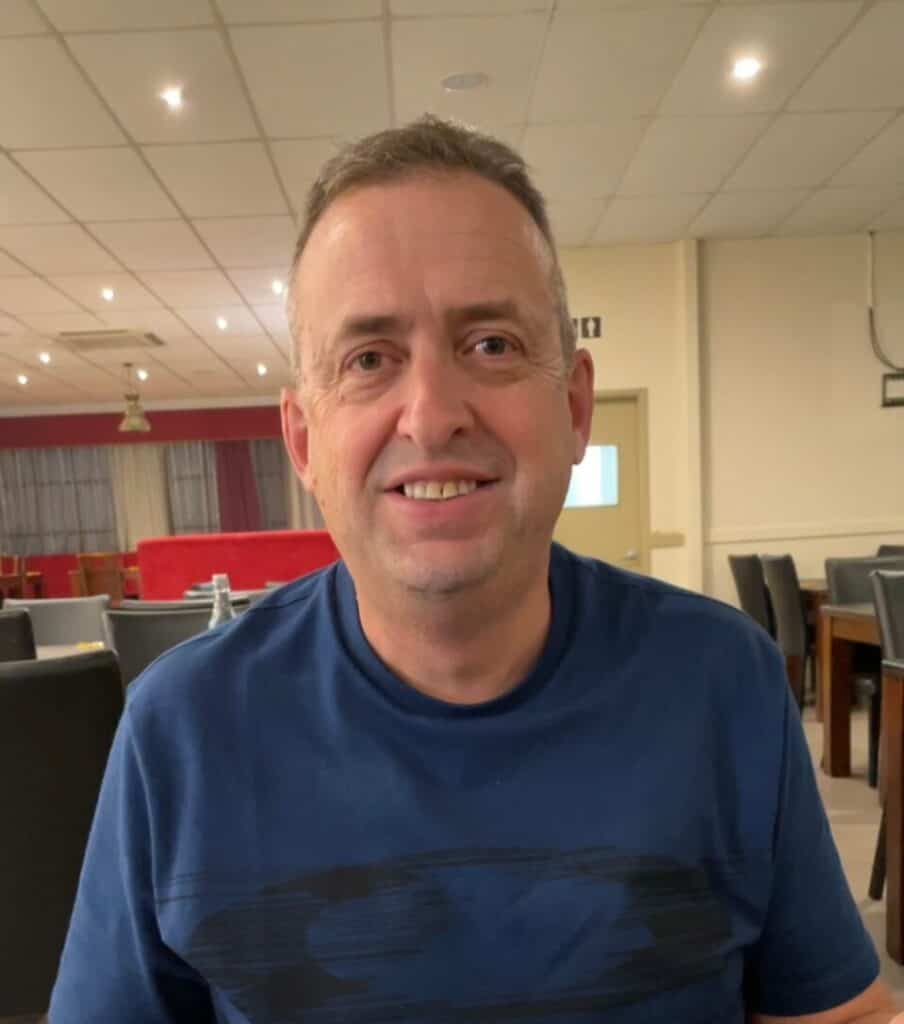
Hi! I’m Jeremy.
I write this blog from inside CPAP therapy, not from outside it.
I was diagnosed with severe obstructive sleep apnea more than a decade ago and have slept connected to a CPAP machine every night since. The thing that finally pushed me to a doctor was the migraines, which had escalated from occasional to multiple times a week. In hindsight, the snoring, the falling asleep at red lights, and the memory problems had all been there for years too.
If you want the full story of how I got here, including the diagnosis, that disastrous first night with the mask, and the strange relief of waking up without a migraine for the first time in years click below
About Me

Why a computer science guy writes about CPAP
My background is in computer science, not medicine, which sounds like an odd launchpad for a sleep blog. In practice it has turned out to be exactly the right one. The analytical habits that make somebody good at debugging software are the same habits that help a patient navigate sleep apnea. You read the data. You change one variable at a time. You log the result. You repeat.
A modern CPAP machine produces a frankly enormous amount of data. AHI, leak rate, pressure curves, central versus obstructive event splits, hours of usage. Most patients are never properly shown this data, and even when they are, the explanation tends to be brief. I started reading mine the same way I used to read application log files. Patterns started showing up. Certain pressures gave me better numbers. Certain masks leaked predictably when I slept on my left side. Humidifier settings interacted with the season. Alcohol in the evening showed up clearly in the morning report.
Once I had figured out my own setup, friends with sleep apnea started asking me questions. Then friends of friends. Then strangers on forums. Eventually it was easier to write the answers down once than to type them out repeatedly, and the blog grew out of that.
I want to be careful here. The fact that I can read my own data does not make me a doctor. It makes me a more useful patient than I would otherwise be, but the line between those two things is firm.
What I have actually tested
I write reviews from inside the equipment, not from a desk reading manufacturer brochures. My nightly machine has been a ResMed AirSense 10 for the better part of a decade, and I am currently weighing up an upgrade to the AirSense 11. I am a full face mask sleeper because I am a chronic mouth breather, and I have worked through a long succession of mask cushions and styles over the years, figuring out what fits my face and what does not.
I have camped with my CPAP across deserts, mountains, and one regretted weekend in monsoon weather, and I have traveled with it across multiple continents. None of that has required exotic specialist gear, but it has required knowing what to take and what to leave behind, which I have written about in detail in my guide to camping with a CPAP machine.
The lived experience also includes the parts of CPAP that are not about equipment. I wrote about my CPAP anxiety in the early months because I genuinely thought I was the only person who felt that way. I wasn’t. And the data side of CPAP, the AHI numbers, the leak rates, the pressure curves, is something I will keep writing about because most patients are never properly shown how to read what their own machine is telling them.
How I write about all this
A few principles guide everything I publish here.
I write about products I have personally used wherever possible. When I haven’t, I say so plainly. The phrase “I have not tested this one yet” is allowed to exist on a blog.
I link to authoritative external sources when I am making a clinical claim. Sites like the Sleep Foundation’s overview of sleep apnea are good places to triangulate medical content. If you ever feel like I am stretching beyond my expertise, that is the first place to go.
I update old posts when the equipment changes or the science moves. CPAP machines from 2024 are not the machines from 2014. Reviews go stale. I try to keep mine current.
I am happy to be wrong. I have rewritten posts when readers have pointed out that I missed something or oversimplified. The blog is better for those corrections, not worse. If something I write does not match your experience, please tell me. I would rather be corrected than confidently wrong.
The medical disclaimer
I am not medically trained. My training is in computer science. Nothing on this site should be read as medical advice, and I would actively discourage anyone from substituting a blog post for a real conversation with a sleep specialist. If you suspect you have sleep apnea, please get tested. If you have been diagnosed and your therapy is not working, please go back to your doctor and say so. They have the tools to adjust your prescription, change your machine type, or refer you to a more specialized clinic. I don’t.
What this site offers is the patient’s perspective. The lived in version. The “I have done this thing for over a decade and here is what I wish I had known earlier” version. That is genuinely useful, and I think it complements rather than competes with what your medical team can offer.
A note for partners and family
A surprisingly large slice of my readers are not the patient. They are the wife who finally got her husband to a sleep doctor, the daughter trying to convince her father this is serious, the friend who recognized the symptoms and is researching on someone else’s behalf. You are extremely welcome here. You are not snooping. My own diagnosis happened partly because my wife refused to keep pretending the snoring was normal. I owe her my health, in a fairly literal way, and I am not the only patient who could say the same.
Get in touch
The contact page has my email. I read everything that comes in, even when it takes me a few days to reply. The questions readers send are often better than the questions I think to write about, and many of my best articles started life as a reply to somebody emailing me at one in the morning, frustrated, wondering whether anyone else was going through the same thing.
You are not alone in this. I am glad you found the blog.