Dr. Michael Breus 28-Day Sleep Wellness Program Review

“This post contains affiliate links. I may earn a commission if you buy through these links, at no extra cost to you. Read my Disclaimer for more details.”
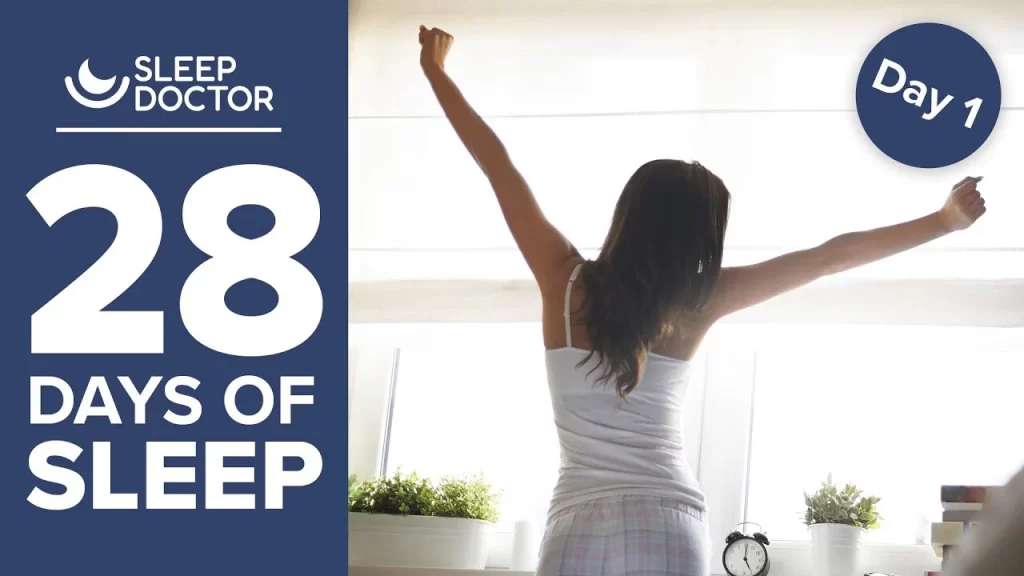
The 28-Day Sleep Wellness Program is a structured online course built by Dr. Michael Breus, the clinical psychologist better known online as The Sleep Doctor. It promises to reset your sleep in four weeks using one short video lesson per day plus a daily email tip. At $199 for lifetime access, it sits somewhere between a self-help book and a private sleep consultation, both in price and depth.
I want to be straight with you up front. I have not personally completed this program. I have, however, watched a lot of Dr. Breus’s YouTube content over the years, and I have spent more than a decade paying close attention to what good sleep advice actually looks like, mostly because I live with severe obstructive sleep apnea. My background is in computer science, not medicine, so what follows is a researched buyer’s guide rather than a clinical opinion. I went through the published curriculum, the format, the credentials behind it, and the broader claims so you can decide whether the program earns your time and your money.
If you want the short version, the program is legitimate, the credentials behind it are real, the structure is sensible, and the price is fair for what is included. Whether it is the right fit depends entirely on what you are actually trying to fix.
What Is the 28-Day Sleep Wellness Program?
The 28-Day Sleep Wellness Program is a video course supported by daily emails. You enroll once, take a short sleep assessment to generate what Sleep Doctor calls your Sleep Score, and then move through 28 daily lessons over the course of four weeks. Each lesson is built around one specific habit or piece of sleep science, narrated mostly by Dr. Breus himself, with a guest segment from David Rubin, the Director of Product Testing at Sleep Doctor, during the bedroom environment week.
The total video runtime adds up to about an hour and twenty minutes, and individual lessons run between five and ten minutes. The pace is intentional. You are not meant to binge it. The idea is that you implement one small change each day, build it into your routine, and stack the changes on top of each other so that by Day 28 you have a meaningfully different relationship with sleep.
You can move through the course at your own pace, and you keep access to the materials after the 28 days are up, which is useful if you want to revisit a topic later or restart the program a few months down the line.
Who Is Dr. Michael Breus?
Credentials matter when you are buying anything that touches your health, and this is the part of the review I spent the most time on.
Dr. Michael Breus holds a PhD in clinical psychology and is a Diplomate of the American Board of Sleep Medicine and a Fellow of the American Academy of Sleep Medicine. According to Sleep Doctor’s own bio, he is one of only 168 psychologists in the world to have passed the Sleep Medical Specialty Board without going to medical school, which is a pretty narrow club. He has been in private practice for decades, served as the sleep expert for WebMD for over a decade, and authored five books, including The Power of When, which popularized the chronotype concept that runs through much of his work.
A useful caveat. Dr. Breus is a clinical psychologist with formal sleep medicine credentials, not a medical doctor. He cannot prescribe CPAP, write you a sleep study order, or diagnose a complex respiratory condition. What he can do very well is teach behavioral and lifestyle change, which is the foundation of cognitive behavioral approaches to sleep.
I have been watching his YouTube channel on and off for years. The thing that stands out to me is that he is good at translating real sleep science into something a normal person can act on without needing a degree. That is harder than it looks. A lot of sleep content online is either scary clinical or wellness fluff, and his sits in the rare middle.

What You Get Inside the 28-Day Sleep Wellness Program
The curriculum is broken into four themed weeks. I went through the full lesson list to summarize what is actually covered, because that is the question almost everyone asks before paying for an online course.
Week One: Chronotype, Mornings, and Cortisol
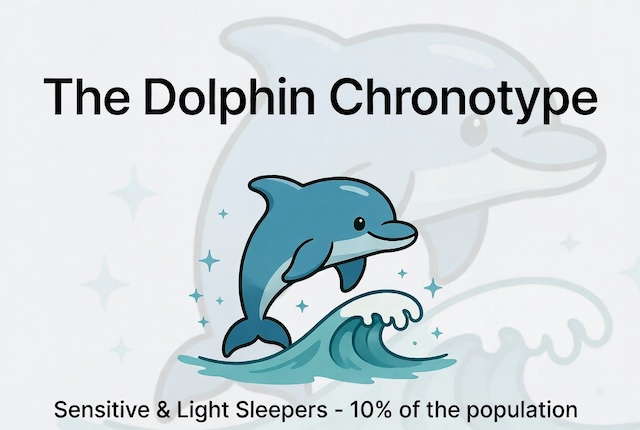
The first week is foundational. Day 1 sets up your Sleep Doctor profile and gives you a baseline Sleep Score. Day 2 introduces what is probably Dr. Breus’s most well known framework: the chronotype. He sorts people into four chronotypes (Lion, Bear, Wolf, and Dolphin) and uses them to inform when you should ideally wake, eat, exercise, and sleep. The rest of the week deals with the morning side of your day. Wake up timing, your cortisol rhythm, the role of morning sunlight, brief cold water exposure, when to drink your first coffee, and how morning movement supports better sleep at night.
Week Two: Light, Stress, and Bedtime Wind Down
The second week shifts to what happens during the day and evening. Caffeine cutoff times. Diet and sleep, with attention to what you eat in the hours before bed. Reducing blue light exposure. Setting boundaries with screens. The real story on alcohol and sleep, which is more nuanced than “don’t drink.” And finally, two practical tools to wind down at the end of the week: bedtime yoga and a short meditation practice. None of this is groundbreaking on its own, but it is well organized and given in a sequence that builds on itself.
Week Three: Your Sleep Environment
Week three is led by David Rubin rather than Dr. Breus, and it focuses on your sleep system, which is industry shorthand for everything you sleep on and around. Mattress selection. Pillow selection. Bedroom temperature. Bedroom darkness and the value of blackout shades. Sheet materials and weave. And how to minimize disruptions from kids and pets, which is a genuinely common sleep killer that most courses ignore. This is the most product focused week of the program, and I will come back to that in the limitations section below.
Week Four: Routines, Sleep Disorders, and Wrap Up
The final week pulls everything together into a morning routine and a bedtime routine, retakes the Sleep Doctor Score so you can measure your progress against your starting point, and then takes a turn into territory I think is unusual for a wellness program. Day 25 walks through how to recognize common sleep disorders, including insomnia and sleep apnea, and what to do if you suspect you have one. Day 26 covers natural sleep aids honestly, including melatonin and magnesium. Day 27 explains what a sleep coach actually does. Day 28 wraps up with parting advice on maintaining the changes.
The Day 25 inclusion is the part I respect the most. A surprising number of people work through generic sleep programs for months without ever being told that what they are dealing with might actually be a medical sleep disorder requiring testing rather than a lifestyle problem. If that lesson nudges even a fraction of users to ask for a sleep study, the program is doing something quietly important.
How the Program Is Delivered
Practically speaking, you need an email address and a browser. The videos stream from your account, and the daily tips arrive in your inbox. There is no app to install, no proprietary tracker to buy, no hardware involved. The Sleep Doctor Score is a simple online questionnaire you take at the start and again on Day 24.
The time commitment is light. Five to ten minutes of video per day, plus whatever time you spend implementing the day’s habit. That last part is the variable. Watching a video about reducing blue light is fast. Actually setting your devices to night mode and resisting the phone scroll for the rest of the evening takes more discipline.
There is no live coaching component. This is not Sleep Doctor’s private coaching service, which is a separate, more expensive offering. The 28-day program is fully self paced and available on demand.
How Much Does the 28-Day Sleep Wellness Program Cost?
The program currently costs $199 as a single payment. There is no subscription, and you keep lifetime access to the materials.
For context, that is more than a paperback sleep book and considerably less than a single private session with a board-certified sleep specialist. It is also less than the cost of a single average mattress, which is interesting given how much of the conversation around “fixing your sleep” tends to default to spending money on bedding rather than changing behavior.
Whether $199 is fair value depends on how much weight you put on structure. The information inside the program is, in fairness, available for free across Dr. Breus’s books, his YouTube channel, his podcast appearances, and the Sleep Doctor blog. What you are paying for is the curated, sequenced, four-week format, the accountability of a daily email, and the assessment tool that lets you measure progress.
What I Like About the Program
Several things stand out as genuine strengths.
The credentials are real. In a wellness market saturated with self-described sleep experts, you are buying from a clinically credentialed psychologist with formal sleep medicine training. That matters more than people realize.
The short lesson format is well-suited to how most people actually live. Five to ten minutes per day is short enough that you will probably stick with it, and the daily emails are a useful nudge. Behavioral programs that demand an hour a day rarely survive contact with a busy week.
The chronotype framing gives the early lessons a personalization layer that you do not get in most generic sleep advice. Telling a Wolf to go to bed at nine in the evening is bad advice, and a program that recognizes that is already ahead of the standard sleep hygiene checklist.
The science underpinning the lessons is consistent with what mainstream institutions like the Sleep Foundation and Harvard Health recommend, which is reassuring. This is not fringe content.
And as I mentioned earlier, the inclusion of Day 25 on recognizing sleep disorders is responsible product design. It tells you, plainly, that if certain things sound familiar, you should stop relying on a course and go get tested. That is the right answer.
Where the Program Falls Short
There are a few honest weaknesses I would want you to know about before paying.
First, $199 is real money for content that, in fragments, exists for free in Dr. Breus’s books and YouTube content. If you are willing to do your own work, you can probably reconstruct most of the same advice without paying.
Second, week three, the bedroom environment week, is run by Sleep Doctor’s Director of Product Testing and naturally points readers toward thinking about new mattresses, pillows, sheets, and temperature regulation gear, all of which Sleep Doctor sells. The advice itself is reasonable, but it is worth being aware of the commercial overlap. None of it is hard sell, but the lessons are not entirely independent of the parent company’s catalog.
Third, this is a lifestyle program. It will not diagnose, treat, or cure a clinical sleep disorder. If you have severe insomnia, untreated sleep apnea, restless leg syndrome, or a circadian rhythm disorder, this program is not the answer to those problems. It might support you alongside actual treatment, but it is not the treatment itself.
Fourth, there is no human in the loop. There is no live coach to message when you get stuck on Day 11 because your kids have been waking up at 2 in the morning all week. The format is video plus email, full stop.
Who Is the 28-Day Sleep Wellness Program Best Suited For?
Based on the curriculum and format, this program makes the most sense for a few specific kinds of people.
If you are generally healthy but your sleep has been quietly degrading because of inconsistent bedtimes, late caffeine, evening alcohol, screen time, or a chaotic schedule, this is a good fit. If you keep meaning to fix your sleep but cannot get past the planning stage, the daily structure does the planning for you.
If you suspect your fatigue is partly behavioral rather than medical, and you want a structured way to test that theory before booking a sleep specialist, the Epworth Sleepiness Scale and a sleep debt calculator might give you a sense of where you stand, and this program gives you a four-week plan to actually do something about it.
If you are someone who reads about chronotypes and wants a practical way to apply that lens to your own routine, the program leans into Dr. Breus’s framework heavily, which is hard to find in this format anywhere else.
It is probably not the right purchase if you already have a confirmed medical sleep disorder, if you are dealing with severe chronic insomnia that has resisted lifestyle change, or if you specifically need cognitive behavioral therapy for insomnia (CBT-i) administered by a clinician.
Should Sleep Apnea Patients and CPAP Users Consider It?
This is the question I get on my own site most often, so I want to address it directly without making it the whole review.
Lifestyle changes do not replace CPAP therapy. If you have moderate to severe obstructive sleep apnea, your airway is collapsing during sleep regardless of how well you have managed your caffeine intake, and you need pressurized airflow at night to keep it open. Nothing in this program changes that. I have been a CPAP user for more than a decade with severe sleep apnea, and I would not consider trading my machine for a course.
Where a program like this can still be useful for sleep apnea patients is in the surrounding habits that influence how well your therapy actually works and how rested you feel during the day. Caffeine timing, alcohol intake, bedroom temperature, and consistent sleep schedules all affect subjective sleep quality, daytime energy, and the cardiovascular and metabolic comorbidities that come along for the ride with sleep apnea. There is also a real population of people with mild sleep apnea where weight, positional therapy, alcohol reduction, and lifestyle change can meaningfully reduce symptoms, even though those changes will not work for everyone.
The Day 25 lesson is also worth noting in the other direction. If you are reading this and you have not been formally diagnosed but you know something is wrong with your sleep, the program might be the prompt that finally gets you to take a home sleep test. That is a reasonable outcome for a $199 course.
For CPAP users who already have their therapy dialed in, there are also some good supporting habits covered in the program that genuinely help.
Is the 28-Day Sleep Wellness Program Worth It?
For the right person, yes.
If you are dealing with general sleep complaints and you want a structured, grounded in science, four week reset led by a credentialed sleep specialist, $199 buys you exactly that. The information is solid, the structure is sensible, the daily commitment is realistic, and the chronotype layer adds a personalization angle that most generic sleep advice does not have. The Day 25 lesson on recognizing sleep disorders is a quietly responsible touch.
If you are dealing with a confirmed medical sleep disorder, a chronic insomnia pattern, or you need clinical care, the program is a complement at best and a distraction at worst. In those cases, your money is better spent on a sleep specialist consultation, a home sleep apnea test, or formal CBT-i with a trained therapist.
And if you are the kind of person who reads sleep books cover to cover, watches every Dr. Breus YouTube video, and never quite gets around to changing your habits, you already know what your problem is, and a course is not going to fix it. Honesty matters more than enrollment.
Frequently Asked Questions
How much time do I need each day?
About five to ten minutes for the daily video, plus whatever time it takes to implement that day’s habit. The program is built to fit into a busy life, not take it over.
Do I keep access after the 28 days?
Yes. Sleep Doctor includes lifetime access to the materials, so you can revisit lessons or restart the program later.
Will this replace seeing a sleep doctor?
No. This is a behavioral and lifestyle program, not clinical care. If you suspect you have a medical sleep disorder such as sleep apnea or chronic insomnia, you still need a proper diagnosis from a qualified clinician. Day 25 of the program itself makes this point.
Will it work for shift workers?
Partially. Many of the lessons (caffeine timing, light exposure, wind down routines) still apply, but the chronotype-based scheduling assumptions break down if your work demands you sleep against your natural rhythm. Shift workers may need to adapt the advice rather than apply it directly.
Is the program suitable for people with sleep apnea?
It is not a treatment for sleep apnea, and it does not replace CPAP, BiPAP, or any other prescribed therapy. As a complement to existing treatment, the lifestyle and bedroom environment lessons can still be useful.
⚠️ MEDICAL DISCLAIMER This blog provides general information only and is not a substitute for professional medical advice, diagnosis, or treatment. Sleep apnea is a serious condition, and CPAP equipment should be used under proper medical supervision. Always consult your doctor or sleep specialist before starting, stopping, or changing any therapy. I share personal experiences as a CPAP user, not as a medical professional. Individual results vary. For medical guidance, please consult a qualified clinician or the American Academy of Sleep Medicine (aasm.org).