CBT for Insomnia: A Complete Guide

“This post contains affiliate links. I may earn a commission if you buy through these links, at no extra cost to you. Read my Disclaimer for more details.”
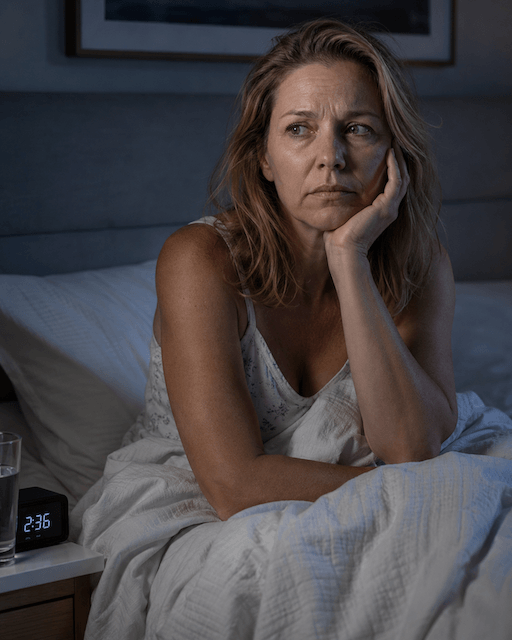
If you’re reading this, you know what insomnia feels like from the inside. Maybe it’s getting to sleep that won’t come. Maybe it’s a 2:47 am wake up that won’t reverse. Maybe you sleep all the way through and still wake up feeling like you got run over by a bus. You’ve tried the obvious things. The dark room. The cool temperature. No caffeine after lunch. No screens before bed. None of it touches the actual problem.
Insomnia hits people from a lot of different angles. It can be stress-related. It can follow a major life event that never quite resolved. It can show up alongside anxiety or depression. It can ride along with another medical condition that disrupts sleep, which is the angle I’ll come back to later in this article because it’s relevant to a meaningful slice of readers and is often poorly addressed in standard care. Whatever path got you here, the treatment with the strongest evidence behind it is the same. It’s called cognitive behavioral therapy for insomnia, abbreviated CBT-I, and it has been the recommended first treatment for chronic insomnia in the major medical guidelines for the better part of a decade.
Before I go further, two disclosures. First, I’m not a doctor. My background is in computer science, not sleep medicine, and this article is research based. Second, I have not personally taken the digital CBT-I program I’ll be discussing toward the end of this post. I write this site as someone who has been on CPAP for sleep apnea for more than a decade, and through that work I’ve heard from a lot of readers who deal with insomnia alongside their sleep apnea. That experience shapes the perspective in this article, and I’ll spend a section specifically on how CBT-I fits into the picture for CPAP users. But the protocol itself is the same whether you’re a CPAP user, a stress-driven insomniac, or someone whose sleep just stopped working one day for reasons no one has been able to explain.
What Is CBT-I
CBT-I stands for cognitive behavioral therapy for insomnia. It is a structured, time limited program that teaches you specific behaviors and thinking patterns to retrain how your brain and body relate to sleep. It is not generic talk therapy. It is not relaxation tapes. It is not sleep hygiene tips on a fridge magnet. It is a clinical protocol with defined components, delivered over roughly six to eight weeks, and tested in dozens of randomized controlled trials.
Most CBT-I programs work through four core components.
The first is sleep restriction, which sounds counterintuitive but is actually the engine of the whole program. The therapist or program calculates how much time you’re actually sleeping and limits your time in bed to roughly that amount. If you’re spending eight hours in bed but only sleeping six, you get told to spend six hours in bed for a couple of weeks. This builds sleep pressure. You fall asleep faster, sleep more solidly, and the time in bed is gradually expanded as your sleep efficiency improves.
The second is stimulus control, which rebuilds the mental association between your bed and sleep. Years of lying awake trains your brain to associate the bed with stress, frustration, and wakefulness. Stimulus control breaks that link. The rules are simple but strict. Bed is for sleep. If you’re awake longer than fifteen or twenty minutes, you get up. You don’t watch TV in bed. You don’t doomscroll in bed. You don’t lie there fighting your thoughts. You teach your brain that the bed means sleep, and only sleep.
The third is cognitive therapy, which targets the thoughts that fuel insomnia. The classic example is the catastrophizing loop at 3am: I’ve been up for an hour, I’m only going to get four hours of sleep, I’m going to be wrecked tomorrow, I have a meeting at 9, this is going to be a disaster. The cognitive component teaches you to recognize those thoughts, examine the evidence for them, and replace them with more accurate appraisals. It sounds soft. It works.
The fourth is sleep hygiene, which is the part most people have already heard of. Caffeine cutoff times, no screens before bed, cool dark bedroom, consistent wake time. Sleep hygiene on its own is the weakest of the four components, which is part of why generic sleep advice rarely fixes serious insomnia. As a piece of a larger CBT-I program, it has its place. As a standalone fix, it’s a fridge magnet.
Why CBT-I Is the Gold Standard
This isn’t a fringe claim. The American College of Physicians, in its 2016 clinical practice guideline on chronic insomnia, made CBT-I its first recommendation: “ACP recommends that all adult patients receive cognitive behavioral therapy for insomnia (CBT-I) as the initial treatment for chronic insomnia disorder.” That was a strong recommendation, the highest grade in the ACP guideline framework. The American Academy of Sleep Medicine has reached similar conclusions. The European Sleep Research Society guideline says the same. The reasons come down to three things.
CBT-I works as well as sleeping pills in the short term and substantially better in the long term. Sleeping pills lose effectiveness as tolerance develops. CBT-I gains durability because you’ve actually rewired the underlying problem. Studies that follow patients out a year or more show CBT-I benefits holding steady while pharmacological gains fade.
CBT-I has minimal side effects. The classic risks of sleeping pills include dependence, daytime sedation, falls in older adults, memory effects, and complex sleep behaviors. CBT-I has none of those. The main downside is that the first two weeks of sleep restriction can feel rough, because you’re temporarily sleep deprived on purpose to build sleep pressure. This passes.
CBT-I treats the cause, not the symptom. Insomnia is a learned condition. The brain has learned to be alert in bed. CBT-I unlearns that pattern. Sleeping pills mute the symptom but leave the underlying conditioning untouched, which is why so many people find their insomnia comes back the moment they try to stop the medication.
If you’ve been told insomnia is just something you have to live with or medicate, that information is out of date. The evidence has been clear for the better part of a decade. The problem isn’t whether the treatment works. The problem is access, which is what the next section is about.
The CPAP Connection: Why This Matters for Sleep Apnea Patients
There’s a clinical term for what’s happening when a CPAP user can’t sleep. It’s called COMISA, which stands for comorbid insomnia and sleep apnea. It’s exactly what it sounds like: two separate conditions occurring in the same patient at the same time, each making the other worse.
The prevalence numbers are striking. Across the published literature, somewhere between 30% and 60% of people with obstructive sleep apnea also meet the criteria for insomnia disorder. A 2019 review in Brain Sciences by Sweetman, Lack, and Bastien put the figure around 38% of OSA patients meeting full insomnia criteria, with insomnia symptoms (without full diagnostic criteria) being even more common. The American Academy of Sleep Medicine has covered COMISA extensively in its educational materials, including a Talking Sleep podcast episode dedicated to the topic.
The reason this matters is that CPAP treats sleep apnea, but CPAP does not treat insomnia. They are different conditions with different mechanisms. Sleep apnea is a breathing problem. Insomnia is a conditioning problem. Putting a mask on doesn’t fix a brain that has spent years learning to be wide awake at 3am, and the introduction of CPAP itself can sometimes worsen insomnia in the early months as patients adjust to the equipment. If you’ve ever wondered why your AHI is in single digits but you still feel like garbage, this is one of the most likely explanations.
The good news is that the published evidence on CBT-I in COMISA patients is encouraging. Sweetman and colleagues have shown that CBT-I works in the presence of treated and untreated sleep apnea, and there’s emerging evidence that successfully treating insomnia can improve CPAP adherence in some patients. The two treatments aren’t competing. They address different parts of the same broken night.
This is the part that’s poorly communicated in standard sleep clinic care. You go in with daytime sleepiness, you come out with a CPAP prescription, and that’s where the conversation ends. If you’re in the substantial minority who also have insomnia, nobody screens for it, nobody mentions it, and you’re left wondering why you’re still wrecked. If that describes you, CBT-I is worth taking seriously. If you want a broader look at the way poor sleep affects mental health, I cover that in my post on sleep apnea and mental health, and the early-CPAP version of this struggle gets its own treatment in my piece on CPAP anxiety.
How CBT-I Is Actually Delivered
There are four practical ways to access CBT-I, and they sit on a spectrum from most personalized and expensive to most accessible and self-directed.
In person CBT-I therapists are the original delivery model and remain the most personalized option. A licensed clinician with specific CBT-I training meets with you weekly for six to eight sessions, reviews your sleep diary, calculates your sleep restriction window, walks you through stimulus control, and works on the cognitive components face-to-face. The catch is supply. The number of clinicians in the United States with formal CBT-I training is small relative to the millions of insomnia sufferers who need them. Wait lists are common. Insurance coverage is inconsistent. If you live outside a major city, your odds of finding a trained provider within reasonable driving distance are not great. The Society of Behavioral Sleep Medicine maintains a provider directory worth checking, but if you find one, count yourself lucky.
Self-guided books are the cheapest option. Several CBT-I clinicians have written workbooks designed for patients to work through on their own. They cost twenty or thirty dollars and contain essentially the same protocol the therapist would walk you through. The downside is that you have to be the kind of person who can read a workbook, follow a protocol, calculate your own sleep restriction window, and hold yourself accountable for six weeks without anyone checking in on you. Some people thrive in that model. Most do not.
Free apps from the US Department of Veterans Affairs sit between the workbook and the digital program. The VA’s National Center for PTSD developed two relevant apps. CBT-i Coach is designed to be used alongside a clinician, as a treatment companion. Insomnia Coach is the standalone option for self-directed use. Both are free, both are based on solid clinical material, and both work on Apple and Android devices. They were originally built for veterans but are publicly available. If you’re searching for “CBT for insomnia online free,” this is the most credible free option I’m aware of.
Paid digital CBT-I programs are the newest delivery model and the area where the most product development has happened. The leading programs include Sleepio, Somryst, and a few others. They deliver the same four CBT-I components through a structured app, usually over six weeks, with personalized sleep restriction calculations, daily prompts, and ongoing content based on how your sleep is progressing. The advantage over the free apps is the structured guidance and the more polished user experience. The advantage over a therapist is availability: you don’t need to find a clinician, you don’t need to wait, and you can do the program at your own pace from your phone.
On the “Free” Question
If you searched for free online CBT-I, you deserve a straight answer about whether the paid options are worth the money.
If you’re highly motivated, comfortable with a workbook style of self learning, and you can stick to a protocol without external accountability, the free VA Insomnia Coach app is genuinely useful and contains real CBT-I content. There’s no catch. It’s a public health tool from a federal agency.
The honest argument for a paid program is twofold. The first is the structured guidance. Paid programs are designed to keep you engaged through the rough patch in week two or three when sleep restriction is at its hardest. Dropout rates in self directed programs are high. Dropout rates in guided programs are lower. The second is insurance. The major paid program I’ll be discussing in the next section, Sleepio, is covered as a $0 benefit by many US employer health plans and some insurance providers, which means the relevant question for many readers isn’t “free versus paid,” it’s “free with no support versus free with full support.” That’s a different question.
For international readers, including those of us outside the United States, the insurance angle generally doesn’t apply, and the cash pay price for these programs is real. I’ll come back to that at the end.
The Sleepio Digital CBT-I Program
The program I want to discuss specifically is Sleepio, which Sleep Doctor distributes in the United States. Sleepio was developed by Big Health, has been around for more than a decade, and is one of the most extensively researched digital CBT-I programs in the world. It is cleared by the FDA as a digital therapeutic for insomnia. To put that in plain English, the FDA has reviewed the clinical evidence and authorized it for marketing as a treatment, which is a higher bar than the wellness app category that most sleep apps fall into.
The structure is a six week program delivered through an app. It walks you through the same four CBT-I components I described earlier: sleep restriction, stimulus control, cognitive techniques, and sleep hygiene review. You enter sleep diary data each morning, the program calculates your personalized sleep window, and the content adjusts as you progress.
The published evidence is the part that distinguishes Sleepio from most digital sleep products. The original randomized controlled trial by Espie and colleagues, published in Sleep in 2012, reported a 54% reduction in time to fall asleep and 62% less time awake at night compared to placebo, along with 45% better functioning the next day. A later paper by Luik and colleagues, published in the Journal of Sleep Research in 2020, showed those benefits holding up 48 weeks later. That’s real durability data, not marketing.
Pricing in the United States is $449 cash pay for the full program. The number that matters more for most US readers is $0, because Sleepio is covered as a benefit by many employer health plans and some insurance providers. The Sleep Doctor product page has a screening tool to check whether your employer or insurer covers it.
Honest disclosure repeated: I have not personally taken Sleepio. My recommendation here is research-based, not experience-based, the same way I’d recommend a peer-reviewed clinical study to a friend without having been in the trial myself.
If you want to check it out, you can find the program at Sleep Doctor by pressing the button below. That’s an affiliate link, which means if you end up purchasing through it, I receive a commission at no additional cost to you. Disclosure noted up front, as it should be.
Honest Considerations Before You Sign Up
A few things worth thinking about before you commit to any CBT-I program, paid or free.
It’s not a quick fix. The first week or two of sleep restriction can be hard. You’ll be temporarily sleep deprived on purpose to build sleep pressure, and the people who quit usually quit in this window. CBT-I rewards persistence in a way that taking a pill does not. That’s a feature, not a bug, but it’s a real demand on you.
Don’t stop other treatments without medical guidance. This applies to anyone using a prescribed medication or therapy for a sleep related condition, including CPAP for sleep apnea. CBT-I treats insomnia. It does not treat sleep apnea, restless leg syndrome, or any other underlying medical condition. Improvements in your insomnia don’t change what’s happening with those conditions. If you’re a CPAP user, my piece on CPAP compliance covers the behavioral side of mask therapy in more depth.
The US insurance angle is US only. If you’re reading this from outside the United States, the $0 with insurance pitch doesn’t apply to you. The cash price is real. Programs like Sleepio still work, but the math is different, and depending on your country there may be public health system options worth investigating before you pay out of pocket.
Underlying conditions may need clinical care. If your insomnia is part of a larger picture involving severe depression, untreated PTSD, or other psychiatric conditions, a digital CBT-I program is unlikely to be sufficient on its own. CBT-I works alongside care for those conditions, not instead of it. If you’re not sure where you sit, a sleep medicine physician or your primary care provider is the right starting point.
Engagement matters more than format. The CBT-I research consistently shows that the people who finish the program get most of the benefit, regardless of whether they did it with a therapist, a workbook, a free app, or a paid program. The protocol works when you actually do it. Pick the delivery model you’re most likely to stick with for six weeks rather than the one that looks best on paper.
Frequently Asked Questions
Is CBT-I the gold standard for insomnia?
Yes. The American College of Physicians, in its 2016 clinical practice guideline, recommended CBT-I as the initial treatment for chronic insomnia disorder, calling it a strong recommendation based on moderate quality evidence. The American Academy of Sleep Medicine and the European Sleep Research Society have reached similar conclusions. CBT-I has been the first line treatment for chronic insomnia in major guidelines for the better part of a decade.
Is CBT-I the gold standard for chronic insomnia specifically?
Yes. The ACP guideline applies specifically to chronic insomnia disorder, which is defined as insomnia symptoms occurring at least three nights per week for at least three months. CBT-I is the recommended first treatment, ahead of sleeping pills, for that diagnosis.
How does CBT help with insomnia?
CBT-I addresses insomnia through four mechanisms working together. Sleep restriction increases sleep pressure and consolidates fragmented sleep. Stimulus control rebuilds the mental association between bed and sleep. Cognitive techniques address the worry and catastrophizing that fuel insomnia. Sleep hygiene optimizes the supporting conditions. The combination addresses both the behavioral and cognitive drivers of poor sleep.
Can CBT help with sleep problems if I have sleep apnea?
Yes, with an important qualification. CBT-I treats insomnia, not sleep apnea. If you have both conditions (which is called COMISA, comorbid insomnia and sleep apnea), the published evidence shows CBT-I can help with the insomnia component even while you’re using CPAP for the apnea component. The two treatments work together rather than against each other. You should not stop CPAP therapy because of CBT-I improvements.
How long does CBT-I take to work?
Most programs run six to eight weeks. Many people start to notice improvements in the first three to four weeks, with the strongest effects appearing toward the end of the program. The benefits tend to be durable, with research showing improvements holding up at 48 weeks and beyond.
Can CBT-I replace my CPAP machine?
No. CBT-I treats insomnia. CPAP treats sleep apnea. They are different conditions. Stopping CPAP because your insomnia improved would leave the underlying sleep apnea untreated, which has serious cardiovascular consequences. If you have sleep apnea, you should keep using your CPAP regardless of what else you’re doing for sleep.
What’s the difference between CBT-I and sleep hygiene?
Sleep hygiene is one of the four components of CBT-I and the weakest of the four on its own. Generic sleep hygiene advice (avoid caffeine, dark room, consistent schedule) is part of CBT-I but is not a substitute for the full protocol. The active ingredients of CBT-I are sleep restriction, stimulus control, and cognitive techniques. Hygiene supports those but doesn’t replace them.
Final Thoughts
Chronic insomnia is common, frustrating, and often poorly served by the standard advice that gets repeated everywhere. The good news is that the treatment with the strongest evidence behind it has been studied for decades, is endorsed by every major medical guideline, and has minimal side effects. Whether you access it through a therapist, a free VA app, a workbook, or a paid digital program, the underlying protocol is the same and the evidence is good. The hard part is committing to the six weeks. The reward is durable improvement in sleep that doesn’t depend on a nightly medication.
For CPAP users specifically, the COMISA picture is worth understanding because nobody screens for it routinely and a meaningful subset of you are dealing with insomnia on top of your sleep apnea. For more on the broader experience of life on therapy, my Living With Sleep Apnea page is the right place to start.
⚠️ MEDICAL DISCLAIMER This blog provides general information only and is not a substitute for professional medical advice, diagnosis, or treatment. Sleep apnea is a serious condition, and CPAP equipment should be used under proper medical supervision. Always consult your doctor or sleep specialist before starting, stopping, or changing any therapy. I share personal experiences as a CPAP user, not as a medical professional. Individual results vary. For medical guidance, please consult a qualified clinician or the American Academy of Sleep Medicine (aasm.org).