The Connection Between Sleep Apnea, Tinnitus, and Hearing Loss

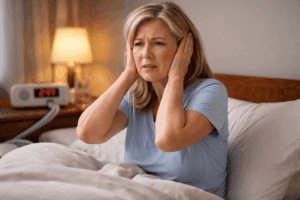
If you’ve been diagnosed with sleep apnea and notice ringing in your ears or difficulty hearing, there are many others out there like you.

Between Sleep Apnea, Tinnitus, and Hearing Loss

A growing body of research reveals significant connections between sleep apnea, tinnitus (ringing in the ears), and hearing loss. Understanding these relationships is crucial for proper diagnosis, treatment, and protecting your long-term health.

In this comprehensive guide, I’ll explore the science behind these connections, explain the mechanisms linking these conditions, discuss symptoms and risk factors, and review treatment options that may help address multiple issues simultaneously.

Medical Disclaimer: The information provided in this article is for educational purposes only and is not intended to replace professional medical advice, diagnosis, or treatment. If you’re experiencing symptoms of sleep apnea, tinnitus, or hearing loss, please consult with qualified healthcare providers, including a sleep specialist and audiologist, for proper evaluation and treatment.

Understanding the Three Conditions

Before diving into the connections, let’s define each condition:

What Is Sleep Apnea?

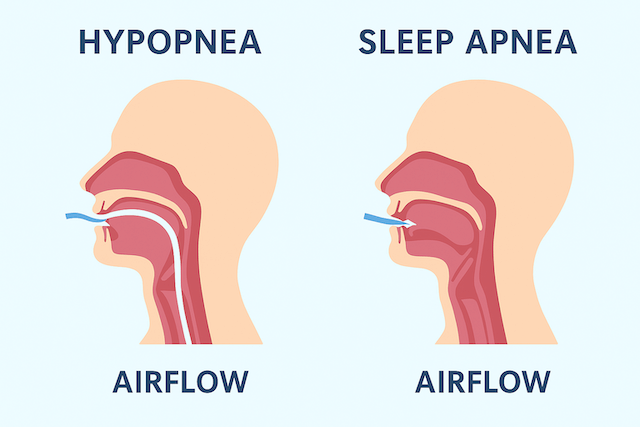
Sleep apnea is a serious sleep disorder where breathing repeatedly stops and starts during sleep. The most common type, obstructive sleep apnea (OSA), occurs when throat muscles relax and block the airway.

Key sleep apnea symptoms include:

  • Loud snoring
  • Gasping for air during sleep
  • Morning headaches
  • Excessive daytime sleepiness
  • Difficulty concentrating

What Is Tinnitus?

Tinnitus is the perception of sound when no external sound is present. People with tinnitus hear:

  • Ringing
  • Buzzing
  • Hissing
  • Whistling
  • Roaring
  • Clicking

These sounds can be constant or intermittent, in one or both ears, and range from barely noticeable to severely disruptive.

What Is Hearing Loss?

Hearing loss refers to the reduced ability to hear sounds. It can be:

  • Conductive: Problems with the outer or middle ear
  • Sensorineural: Damage to the inner ear or auditory nerve
  • Mixed: Combination of both types

Hearing loss may affect specific frequencies (often high frequencies first) or all sound ranges.

The Prevalence: How Common Is This Triple Threat?

Research reveals striking correlations between these conditions:

According to a study published in the National Library of Medicine:

  • 66% of patients with obstructive sleep apnea also reported tinnitusโ€”significantly higher than the general population
  • The severity of daytime sleepiness was a strong predictor of tinnitus

A 2016 study found:

  • 30% of people with sleep apnea also experienced tinnitus
  • There was a 30% increased risk of hearing loss in those with sleep apnea

Research from the National Health and Nutrition Examination Survey involving nearly 10,000 adults found:

  • 29% reported trouble sleeping
  • 9% were diagnosed with sleep disorders
  • Negative sleep characteristics were significantly associated with bothersome tinnitus
  • The association remained even after adjusting for hearing loss levels

These numbers suggest that if you have one of these conditions, you’re at higher risk for developing the others.

The Connection Between Sleep Apnea and Tinnitus

The Evidence

Multiple studies confirm a strong link between sleep apnea and tinnitus:

Healthline reports that research consistently shows these conditions commonly co-exist. A year-long study found similar patterns, with higher incidences of people with tinnitus also experiencing sleep disturbances.

According to research published in the Journal of Clinical Sleep Medicine, it’s estimated that 53.5% of patients with tinnitus experience some form of sleep disturbance, including poor sleep quality, insomnia, and other primary sleep disorders.

Mechanisms Linking Sleep Apnea and Tinnitus

Several theories explain why sleep apnea may cause or worsen tinnitus:

1. Hypoxia (Oxygen Deprivation)

The primary theory centers on oxygen loss. During apnea episodes, breathing stops repeatedly, causing:

  • Dramatic drops in blood oxygen levels
  • Damage to delicate hair cells in the inner ear
  • Ischemic injury to the cochlea (the snail-shaped structure in the inner ear)

BlueSleep’s research notes that reduced oxygen levels may damage cochlear cells over time, resulting in hearing loss and disorders like tinnitus.

The cochlea is particularly vulnerable because:

  • It’s supplied by a single end artery with no collateral circulation
  • When blood flow is disrupted, the cochlea has no backup oxygen supply
  • Repeated hypoxic episodes cause cumulative damage

2. Snoring-Related Noise Exposure

Research published in PMC found that high-frequency snoring sounds transmitted to the ear canal may contribute to tinnitus.

The study revealed:

  • Frequent exposure to loud snoring is a known risk factor for tinnitus
  • Some snoring reaches noise levels that exceed workplace safety limits
  • Nightly exposure to this loud sound could lead to noise-induced hearing damage

According to Sleep Centers of Middle Tennessee, researchers believe both reduced oxygen levels AND loud snoring work together to damage the inner ear.

3. Inflammation and Vascular Changes

Sleep apnea causes:

  • Vascular inflammation: Affecting blood vessels throughout the body
  • Endothelial dysfunction: Damaging the lining of blood vessels
  • Reduced blood flow: Particularly to small vessels like those in the ear

Research shows that sleep apnea is associated with vascular inflammation and endothelial dysfunction via intermittent hypoxia, which can compromise the integrity of the inner ear’s microvasculature.

4. Central Nervous System Changes

According to the National Library of Medicine, negative sleep characteristics were associated with tinnitus likely through central processes involving:

  • Hyperarousal of the sympathetic nervous system
  • Changes in limbic and autonomic brain activities
  • Increased intolerance of tinnitus
  • Altered auditory processing in the brain

5. High Blood Pressure Connection

Sleep Centers of Middle Tennessee notes:

  • Nearly 45% of people with tinnitus also have hypertension
  • High blood pressure can affect blood vessels in the ears
  • If tinnitus includes pumping or pulsing sounds, it may be related to high blood pressure

Understanding the connection between sleep apnea and high blood pressure helps explain this relationship.

The Bidirectional Relationship

The relationship works both ways:

Sleep Apnea โ†’ Tinnitus:

  • Oxygen deprivation damages inner ear structures
  • Inflammation affects auditory pathways
  • Snoring creates noise-induced trauma

Tinnitus โ†’ Sleep Problems:

  • Ringing makes it difficult to fall asleep
  • Symptoms seem louder in quiet environments
  • Anxiety about tinnitus worsens sleep quality
  • Poor sleep may worsen perception of tinnitus

Research indicates that sleep apnea can worsen how you feel about your hearing problemsโ€”if you’re not getting adequate sleep, your tinnitus becomes more annoying and difficult to tolerate.

The Connection Between Sleep Apnea and Hearing Loss

Research Findings

A comprehensive study from Albany Medical College found a 30% higher risk for hearing loss in those with sleep apnea. Among participants:

  • 33% reported hearing impairment
  • 10% reported sleep apnea
  • Of those with hearing impairment, 11% also had sleep apnea

According to research published in Frontiers in Neurology, a systematic review and meta-analysis confirmed the association between obstructive sleep apnea-hypopnea syndrome (OSAHS) and hearing loss.

Mechanisms of Hearing Loss in Sleep Apnea

1. Cochlear Ischemia from Chronic Hypoxemia

Research published in PMC explains that the main pathology of hearing loss in patients with sleep apnea is cochlear ischemia due to chronic intermittent hypoxemia.

The process works as follows:

  • Repeated apnea episodes cause oxygen drops
  • The inner ear’s single blood supply becomes compromised
  • Hair cells responsible for hearing become damaged
  • Damage accumulates gradually over time
  • Once damaged, cochlear hair cells don’t regenerate

The Journal of Clinical Sleep Medicine notes that hypoxia and ischemia represent the common pathway for various insults to cause hearing impairment.

2. Frequency-Specific Damage

Research shows that high-frequency hearing loss is particularly common in sleep apnea patients because:

  • The apex of the cochlea (responding to low frequencies) has sparser blood supply
  • Hair cells responding to high frequencies at the base are more vulnerable to ischemia
  • High-frequency sounds (3,000-8,000 Hz) are affected first
  • Low-frequency hearing often remains relatively preserved

3. Oxidative Stress and Inflammation

According to Frontiers in Neurology, repeated intermittent hypoxemia in sleep apnea patients causes:

  • Oxidative stress: Damaging cellular structures
  • Inflammation: Affecting inner ear tissues
  • Increased red blood cell aggregation: Reducing blood flow
  • Neuronal damage: Affecting central auditory pathways

4. Duration Matters More Than Severity

Important research from PMC found that:

  • Because hearing loss develops gradually over a long period
  • The duration of untreated sleep apnea matters more than current severity
  • Damage is cumulative and largely irreversible
  • Early treatment may prevent further deterioration

A study found that treating sleep apnea with CPAP did not restore hearing that was already lost, confirming that damage to the cochlea occurs over a long period and the damage is irreversible.

Types of Hearing Loss in Sleep Apnea

Sleep apnea can affect hearing in different ways:

Sensorineural Hearing Loss:

  • The most common type in sleep apnea
  • Caused by cochlear hair cell damage
  • Permanent and progressive
  • Particularly affects high frequencies

Sudden Sensorineural Hearing Loss: Research published in Nature and Science of Sleep found:

  • Male patients with sudden hearing loss often have a history of sleep apnea
  • Sleep apnea patients with sudden hearing loss had poorer recovery
  • High-frequency hearing showed particularly poor treatment response

Central Auditory Dysfunction:

  • Sleep apnea affects not just the ear but also brain processing of sound
  • Central nervous system changes impact auditory pathways
  • May affect speech recognition even with “normal” hearing thresholds

The Triple Connection: How All Three Relate

The Cascade Effect

Understanding how these three conditions interconnect reveals a cascade:

  1. Sleep apnea develops (often undiagnosed for years)
  2. Repeated oxygen deprivation damages inner ear structures
  3. Hair cell damage leads to hearing loss (often high frequencies first)
  4. Cochlear dysfunction manifests as tinnitus
  5. Tinnitus disrupts sleep, potentially worsening sleep apnea
  6. Poor sleep makes tinnitus more bothersome
  7. The cycle continues, causing progressive damage

Research on the Triple Connection

A comprehensive study from the National Health and Nutrition Examination Survey examined all three conditions and found:

Key Findings:

  • Negative sleep characteristics were significantly associated with bothersome tinnitus
  • This association remained significant even after adjusting for hearing loss
  • The relationship between poor sleep and tinnitus is likely contributed by central processes
  • There’s not a major role of mediation via the peripheral auditory system alone

This suggests that while hearing loss can occur with sleep apnea, tinnitus has additional connections through brain-level changes, not just ear damage.

Risk Factors and Who’s Most Vulnerable

Risk Factors for Developing All Three Conditions

You’re at higher risk if you have:

Sleep Apnea Risk Factors:

  • Obesity or being overweight
  • Thick neck circumference
  • Narrowed airway
  • Male gender (though sleep apnea in women is underdiagnosed)
  • Older age
  • Family history
  • Smoking or alcohol use
  • Nasal congestion

Check your risk with screening tools like the STOP-BANG Score or Epworth Sleepiness Scale.

Hearing Loss Risk Factors:

  • Advanced age
  • Noise exposure
  • Genetic factors
  • Certain medications
  • Diabetes
  • Cardiovascular disease
  • Untreated sleep apnea (30% increased risk)

Tinnitus Risk Factors:

  • Hearing loss
  • Loud noise exposure
  • Age
  • Sleep disorders
  • High blood pressure
  • Cardiovascular disease
  • Stress and anxiety
  • Teeth grinding

Special Populations

Veterans: According to Medium, many veterans deal with both sleep apnea and tinnitus, and there’s a recognized VA connection for sleep apnea VA rating.

Older Adults: Age compounds all risk factors, making the connections more likely in people over 60.

People with Chronic Conditions:

Symptoms and Diagnosis

Recognizing the Symptoms

Sleep Apnea Symptoms:

  • Loud snoring
  • Witnessed breathing pauses
  • Gasping or choking during sleep
  • Excessive daytime sleepiness
  • Morning headaches
  • Difficulty concentrating
  • Mood changes

Learn more about do I have sleep apnea to assess your symptoms.

Tinnitus Symptoms:

  • Ringing, buzzing, hissing in ears
  • Sounds more noticeable in quiet
  • Difficulty sleeping due to noise
  • Concentration problems
  • Anxiety or depression
  • Sounds may pulse with heartbeat (pulsatile tinnitus)

Hearing Loss Symptoms:

  • Difficulty understanding speech, especially in noise
  • Frequently asking people to repeat themselves
  • Turning up TV or radio volume
  • Difficulty hearing high-pitched sounds
  • Sounds seem muffled
  • Tinnitus often accompanies hearing loss

Diagnostic Process

For Sleep Apnea:

  1. Clinical Evaluation: Medical history, physical exam, STOP-BANG questionnaire
  2. Sleep Study:
  3. Results Analysis: AHI (Apnea-Hypopnea Index) determines severity

Modern technology like Apple Watch sleep apnea detection may help with screening.

For Tinnitus:

  1. Audiological Evaluation: Pure tone audiometry, tinnitus pitch matching
  2. Medical Examination: Ruling out treatable causes
  3. Tinnitus Questionnaires: Assessing severity and impact (Tinnitus Handicap Inventory)
  4. Imaging: MRI or CT if indicated to rule out structural problems

For Hearing Loss:

  1. Pure Tone Audiometry: Testing hearing at different frequencies
  2. Speech Testing: Word recognition scores
  3. Tympanometry: Middle ear function
  4. Otoacoustic Emissions: Cochlear hair cell function
  5. Auditory Brainstem Response: Neural pathway function

The Importance of Comprehensive Testing

Research emphasizes that comprehensive assessments are necessary to observe peripheral and central changes in the auditory and vestibular pathways in sleep apnea patients.

If you have one condition, testing for the others is crucial because:

  • Early detection allows earlier intervention
  • Treatment of sleep apnea may prevent progression of hearing problems
  • Understanding all conditions guides treatment strategy
  • May prevent irreversible damage

Treatment Options: Addressing Multiple Conditions

Treating Sleep Apnea May Help Tinnitus and Hearing Loss

The most encouraging finding from research is that treating sleep apnea can sometimes help relieve symptoms of tinnitus and may prevent further hearing deterioration.

CPAP Therapy

CPAP (Continuous Positive Airway Pressure) is the gold standard treatment for obstructive sleep apnea.

How CPAP Helps:

  • Eliminates apnea events: Prevents oxygen drops
  • Improves oxygenation: Restores normal oxygen levels to all tissues, including the inner ear
  • Reduces inflammation: Decreases systemic inflammation
  • Improves blood flow: Better circulation to cochlear structures
  • Eliminates snoring: Removes noise-related trauma

According to Amplifon, a CPAP machine can help with tinnitus by:

  • Reducing stress on the heart
  • Improving circulation throughout the body
  • Preventing further oxygen-related damage

CPAP Options:

Getting Started:

BiPAP and ASV Therapy

For more complex cases:

Alternative Sleep Apnea Treatments

Alternative treatments for sleep apnea include:

Treating Tinnitus

While there’s no cure for most tinnitus, several approaches can help:

Sound Therapy:

  • White noise machines
  • Hearing aids with tinnitus masking
  • Customized sound therapy
  • Music therapy

Cognitive Behavioral Therapy (CBT):

  • Helps change negative thought patterns
  • Reduces emotional response to tinnitus
  • Improves coping strategies
  • May be combined with sleep apnea treatment

Tinnitus Retraining Therapy:

  • Combines sound therapy with counseling
  • Helps brain habituate to tinnitus sounds
  • Long-term approach requiring commitment

Lifestyle Modifications:

Treating Hearing Loss

Hearing Aids:

  • Amplify sounds
  • Many models include tinnitus masking features
  • Modern devices connect to smartphones
  • Can significantly improve quality of life

Cochlear Implants:

  • For severe to profound hearing loss
  • Directly stimulate auditory nerve
  • May help with tinnitus in some cases

Assistive Devices:

  • Phone amplifiers
  • TV listening systems
  • Alerting devices

Addressing All Three Together

The most effective approach often involves:

  1. Primary Sleep Apnea Treatment: CPAP or other therapy to prevent further damage
  2. Audiological Care: Hearing aids if needed, sound therapy for tinnitus
  3. Lifestyle Modifications: Affecting all three conditions
  4. Regular Monitoring: Tracking changes and adjusting treatment
  5. Coordinated Care: Sleep specialist, audiologist, and primary care working together

Prevention: Protecting Your Hearing and Sleep Health

Can You Prevent These Connections?

While not all cases are preventable, you can reduce your risk:

Prevent Sleep Apnea:

  • Maintain healthy weight
  • Exercise regularly
  • Avoid alcohol before bed
  • Sleep on your side
  • Treat nasal congestion
  • Quit smoking

Learn more about reversing sleep apnea naturally

Protect Your Hearing:

  • Use ear protection in loud environments
  • Keep the volume reasonable on headphones
  • Take breaks from loud noise
  • Treat sleep apnea promptly to prevent oxygen-related damage
  • Avoid ototoxic medications when possible
  • Manage cardiovascular risk factors

Reduce Tinnitus Risk:

  • Protect hearing (prevents primary cause)
  • Treat sleep apnea
  • Manage stress
  • Control blood pressure
  • Limit caffeine and nicotine
  • Treat any ear infections promptly

The Importance of Early Diagnosis

Research clearly shows that hearing loss from sleep apnea is:

  • Gradual and cumulative
  • Largely irreversible once it occurs
  • Preventable with early treatment

This means early diagnosis and treatment of sleep apnea may prevent:

  • Permanent hearing loss
  • Development of tinnitus
  • Progression of existing hearing problems

Living with Sleep Apnea, Tinnitus, and Hearing Loss

Coping Strategies

For Sleep:

For Tinnitus:

  • Background sound at night (fans, white noise)
  • Relaxation techniques
  • Focus on activities during flare-ups
  • Support groups

For Hearing Loss:

  • Face people when talking
  • Reduce background noise
  • Ask others to speak clearly
  • Use assistive devices
  • Living with sleep apnea resources

Impact on Daily Life

These conditions can affect:

When to Seek Help

Contact healthcare providers if you experience:

  • Sudden hearing loss (medical emergency)
  • Severe or worsening tinnitus
  • Excessive daytime sleepiness
  • Witnessed breathing pauses during sleep
  • Difficulty hearing conversations
  • New or changing symptoms

Determine if you need a prescription for a CPAP machine if you suspect sleep apnea.

The Future: Ongoing Research and Hope

Current Research Directions

Scientists are investigating:

  • Protective treatments: Medications to prevent cochlear damage from hypoxia
  • Regenerative therapies: Potential hair cell regeneration
  • Better screening: Identifying at-risk patients earlier
  • Combination treatments: Optimizing multi-condition management
  • Predictive factors: Who’s most at risk for developing all three

Emerging Treatments

Promising developments include:

The Message of Hope

While the connections between sleep apnea, tinnitus, and hearing loss can seem daunting, there’s reason for optimism:

  • Many people experience improvement with CPAP therapy
  • Early treatment can prevent permanent damage
  • Multiple treatment options exist
  • Quality of life can be significantly improved
  • Research continues advancing our understanding

Frequently Asked Questions

Can treating sleep apnea cure tinnitus?

While treating sleep apnea doesn’t “cure” tinnitus for everyone, many patients report improvement. Some experience reduced intensity, others find tinnitus less bothersome with better sleep. The earlier sleep apnea is treated, the better the outcomes.

Is the hearing loss from sleep apnea reversible?

Unfortunately, once cochlear hair cells are damaged, the hearing loss is typically permanent. However, treating sleep apnea can prevent further deterioration. This underscores the importance of early diagnosis and treatment.

Should I see an audiologist or sleep specialist first?

Ideally, see both. If you can only see one initially, consider which symptoms are most severe or bothersome. However, comprehensive care requires both specialties working together.

Will CPAP make my tinnitus worse?

Some people initially worry about CPAP noise affecting tinnitus. Most modern CPAP machines are very quiet, and the benefits of treating sleep apnea typically outweigh any concerns about machine noise. Many users report tinnitus improvement with CPAP use.

How long does it take to see improvement in tinnitus after starting CPAP?

This varies significantly. Some people notice improvement within weeks, while others take several months. The improvement may be gradual, and keeping a symptom diary can help track changes.

Can children with sleep apnea develop hearing problems?

Yes, children with sleep apnea can develop hearing issues. The mechanisms are similar to adults, though children’s developing auditory systems may be particularly vulnerable. Early evaluation is crucial.

Are there specific frequencies most affected by sleep apnea-related hearing loss?

Yes, high-frequency hearing loss (particularly 3,000-8,000 Hz) is most common. This can affect understanding of consonants and speech in noise, even when a hearing test shows “normal” hearing at lower frequencies.

Does the severity of sleep apnea correlate with the severity of hearing loss or tinnitus?

Research shows mixed results. Some studies find correlations between sleep apnea severity and hearing problems, but the duration of untreated sleep apnea appears more important than current severity. The cumulative effect of years of oxygen deprivation matters most.

Conclusion

The connections between sleep apnea, tinnitus, and hearing loss represent more than just coincidental co-occurrenceโ€”they reflect underlying biological mechanisms linking these conditions through oxygen deprivation, vascular changes, and neurological effects.

Key Takeaways:

  1. Sleep apnea significantly increases the risk for both tinnitus and hearing loss through multiple mechanisms
  2. Hypoxia (oxygen deprivation) is the primary culprit, damaging delicate cochlear structures
  3. The damage is cumulative and often irreversible, making early detection crucial
  4. Treating sleep apnea can help prevent or reduce the progression of hearing problems and tinnitus
  5. CPAP therapy may improve tinnitus symptoms and prevent further hearing deterioration
  6. Comprehensive evaluation by both sleep specialists and audiologists is essential
  7. The connections work bidirectionally, with each condition potentially worsening the others

If you’re experiencing any symptoms of sleep apnea, tinnitus, or hearing loss, don’t wait. Early diagnosis and treatment can:

  • Prevent irreversible damage
  • Improve your quality of life
  • Protect your long-term hearing health
  • Help you sleep better
  • Reduce the burden of multiple conditions

Remember, these conditions are medical issues requiring professional care. While the information in this article provides a comprehensive overview, it’s not a substitute for personalized medical advice. Work with your healthcare team to develop a treatment plan that addresses your specific needs.

The good news? With proper treatmentโ€”particularly addressing sleep apnea as the root causeโ€”many people experience significant improvement. You don’t have to accept poor sleep, constant ringing in your ears, or declining hearing as inevitable. Help is available, and taking action now can make a profound difference in your future health and well-being.


About This Article: This comprehensive guide on the connection between sleep apnea, tinnitus, and hearing loss was researched using peer-reviewed medical journals, clinical studies, and information from leading health organizations. For personalized advice about your specific situation, always consult with qualified healthcare providers including a board-certified sleep specialist and audiologist.

Related Reading:

References and Medical Sources

  1. PMC/National Library of Medicine – “Association of Sleep Characteristics with Tinnitus and Hearing Loss” – https://pmc.ncbi.nlm.nih.gov/articles/PMC10900921/
  2. PMC/National Library of Medicine – “Obstructive Sleep Apnea and Auditory Dysfunctionโ€”Does Snoring Sound Play a Role?” – https://pmc.ncbi.nlm.nih.gov/articles/PMC9600079/
  3. PMC/National Library of Medicine – “Sleep Apnea Is Associated with Hearing Impairment: The Hispanic Community Health Study/Study of Latinos” – https://pmc.ncbi.nlm.nih.gov/articles/PMC4865559/
  4. PMC/National Library of Medicine – “Is sleep apnea truly associated with hearing loss? A nationwide, population-based study with STOP-BANG questionnaire” – https://pmc.ncbi.nlm.nih.gov/articles/PMC10274574/
  5. PMC/National Library of Medicine – “The effect of hypoxia on hearing function” – https://pmc.ncbi.nlm.nih.gov/articles/PMC7018208/
  6. Journal of Clinical Sleep Medicine – “The association of subjective and objective sleep measures with chronic tinnitus” – https://jcsm.aasm.org/doi/10.5664/jcsm.10882
  7. Journal of Clinical Sleep Medicine – “Can You Hear Me Now?” – https://jcsm.aasm.org/doi/10.5664/jcsm.5780
  8. Healthline – “Tinnitus and Sleep Apnea: How Are They Related?” – https://www.healthline.com/health/tinnitus-and-sleep-apnea
  9. BlueSleep – “The Curious Link Between Sleep Apnea and Tinnitus” – https://www.bluesleep.com/blog/the-curious-link-between-sleep-apnea-and-tinnitus
  10. Sleep Centers of Middle Tennessee – “Tinnitus and Sleep Apnea are Connected – Here’s Why” – https://sleepcenterinfo.com/blog/tinnitus-sleep-apnea-connection/
  11. Sleep Apnea.net – “The Link Between Sleep Apnea and Ringing Ears: Tinnitus” – https://sleepapnea.sleep-disorders.net/clinical/sleep-apnea-tinnitus-linked
  12. Amplifon USA – “Sleep Apnea and Tinnitus: Causes and VA Rating” – https://www.amplifonusa.com/hearing-loss/blog/sleep-apnea-tinnitus
  13. ScienceDirect – “The relationship between obstructive sleep apnea with hearing and balance: A scoping review” – https://www.sciencedirect.com/science/article/abs/pii/S1389945722001319
  14. Frontiers in Neurology – “Association of Obstructive Sleep Apnea-Hypopnea Syndrome with hearing loss: A systematic review and meta-analysis” – https://www.frontiersin.org/journals/neurology/articles/10.3389/fneur.2022.1017982/full
  15. Nature and Science of Sleep – “Idiopathic Sudden Sensorineural Hearing Loss in Sleep Apnea” – https://www.dovepress.com/idiopathic-sudden-sensorineural-hearing-loss-in-patients-with-obstruct-peer-reviewed-fulltext-article-NSS
  16. PubMed/NCBI – “Is There a Relationship Between Obstructive Sleep Apnea (OSA) and Hearing Loss?” – https://pubmed.ncbi.nlm.nih.gov/27588548/
  17. Annals of Medical Research – “What is responsible for cochlear damage in patients with obstructive sleep apnea? Hypoxia or snoring noise?” – https://www.annalsmedres.org/index.php/aomr/article/view/4307

Medical Review Note: Information in this article is sourced from peer-reviewed medical literature, systematic reviews, and leading health organizations. Last reviewed: November 2025.

โš ๏ธ MEDICAL DISCLAIMER This blog provides general information only and is not a substitute for professional medical advice, diagnosis, or treatment. Sleep apnea is a serious condition, and CPAP equipment should be used under proper medical supervision. Always consult your doctor or sleep specialist before starting, stopping, or changing any therapy. I share personal experiences as a CPAP user, not as a medical professional. Individual results vary. For medical guidance, please consult a qualified clinician or the American Academy of Sleep Medicine (aasm.org).

Similar Posts