Alternative Treatments for Sleep Apnea: What Else IS Out THere

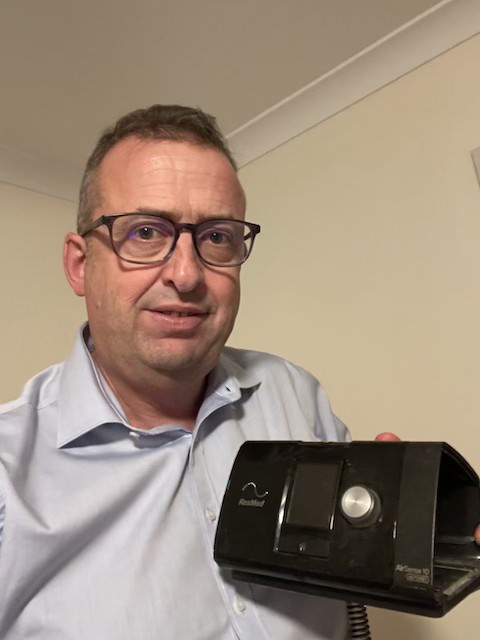
I love my CPAP machine, and I couldn’t live without it – literally.
I have severe obstructive sleep apnea. My AHI at diagnosis was 51, and for the better part of a decade I have slept every night on a ResMed AirSense 10 with a full face mask. I am not going to pretend I have tried every alternative on this list, because I have not. CPAP works for me, my numbers are controlled, and I have no medical reason to experiment.
But I hear from people regularly who cannot tolerate CPAP, who hate the mask, who travel constantly and resent dragging a machine through airports, or who simply want to know what else exists before they commit to a lifetime of pressurized air. That is a fair question, and it deserves a fair answer.
This is a long, careful look at what the evidence actually shows for the main alternatives to CPAP in 2026. I am going to be straight about which options have solid research behind them, which are limited to mild or moderate disease, and which only work for very specific patient profiles. My background is computer science, not medicine, so nothing on this page is medical advice. Use it as a starting point for a real conversation with a sleep physician.
Why CPAP Is Still the Default, and When It Is Reasonable to Look Elsewhere
CPAP remains the gold standard treatment for moderate-to-severe obstructive sleep apnea because it works on essentially everyone, regardless of the underlying anatomy or the cause of the airway collapse. Pressurized air splints the airway open. There is no biology to outsmart. If the machine is on and the mask is sealed, the apnea events go away.
The catch is that this only matters if you actually use it. The Sleep Foundation and several large clinical reviews put long term adherence rates somewhere between 50 and 70 percent, depending on how strictly you measure compliance. The other 30 to 50 percent are not failing because CPAP is ineffective. They are failing because they cannot or will not sleep with a mask on their face every night for the rest of their lives. That is a legitimate problem, and pretending it is not has never helped anyone.
So when does it make sense to look at alternatives?
If you have mild to moderate sleep apnea, you have real options. The research base for several non-CPAP treatments is genuinely solid in this severity range. If you have severe sleep apnea like I do and you have given CPAP an honest, supported try with proper mask fitting and clinician support, there are still options, but the menu narrows considerably and most of them work best in combination rather than as a clean replacement. And if you are thinking about skipping treatment entirely because you find CPAP uncomfortable, please do not. Untreated severe sleep apnea raises your risk of high blood pressure, atrial fibrillation, stroke, type 2 diabetes, and motor vehicle accidents from daytime sleepiness. The cardiovascular consequences are real and they accumulate quietly over years.
For a deeper look at how severity is classified, my page on the apnea-hypopnea index explains what the AHI numbers actually mean in clinical practice.
With that framing in place, here is what is actually on the table.
Oral Appliance Therapy (Mandibular Advancement Devices)

Oral appliance therapy uses a custom-fitted dental device, most commonly a mandibular advancement device (MAD), to hold the lower jaw slightly forward during sleep. The forward jaw position pulls the tongue with it and increases the diameter of the upper airway, reducing the tendency for soft tissue to collapse and obstruct breathing.
The American Academy of Sleep Medicine and the American Academy of Dental Sleep Medicine jointly recommend oral appliance therapy for adults with obstructive sleep apnea who are intolerant of CPAP or who prefer alternate therapy. They also recommend it as a treatment for primary snoring without sleep apnea. The evidence base supporting these recommendations is of moderate quality and has grown substantially over the last decade.
The honest comparison: CPAP reduces the apnea-hypopnea index more reliably than oral appliances do, especially in moderate to severe cases. But oral appliances tend to have higher real-world adherence, and for many patients, the smaller per-night benefit multiplied by more nights of actual use ends up close to or matching CPAP outcomes. For mild to moderate OSA in particular, a well-fitted custom MAD is a legitimate first-line option.
A few things matter if you are considering this path. Custom devices fitted by a qualified sleep dentist work better than the boil-and-bite versions you can buy online, and the difference in clinical outcomes is significant. The fitting process takes time and usually requires several adjustments. Side effects can include temporomandibular joint discomfort, tooth movement over years of use, and excess salivation, and these are more common with cheap non-titratable devices. A follow-up sleep study with the appliance in place is the only way to confirm it is actually working.
I have not personally used a MAD. My dentist mentioned it once, mostly as a possible solution for my teeth grinding, and the honest answer was that I was not interested in adding a second nightly appliance to the one I already wear. For someone with milder disease who has not yet found a workable CPAP routine, the calculation is different.
Positional Therapy
Some people only have apnea events, or have substantially worse events, when sleeping on their back. This is called positional OSA, and if a sleep study shows your supine AHI is at least twice your non-supine AHI, you are a candidate for positional therapy.
The simplest version is the old tennis ball trick: sew a tennis ball into the back of your pajama top so rolling onto your back becomes uncomfortable enough to make you turn. It is not elegant, but for the right patient it works. Modern alternatives include wedge pillows, body positioners, and small wearable devices that vibrate gently when you roll supine, training you to stay on your side without disrupting sleep.
The research on positional therapy is encouraging for patients with mild to moderate positional OSA. AHI reductions in the right population can be substantial, sometimes pulling someone from the moderate range down into the mild range or below. The catch is that this is a smaller subset of patients than people often assume. If your apnea is roughly the same regardless of position, positional therapy will not solve the problem on its own.
It is also a reasonable adjunct to other treatments, including CPAP. If positional changes can drop your underlying severity, you may end up with a lower required pressure, fewer leak issues, and better outcomes overall. My page on positional therapy for sleep apnea goes into more detail on the specific products and how to know whether you are a candidate.
Weight Loss and Lifestyle Changes
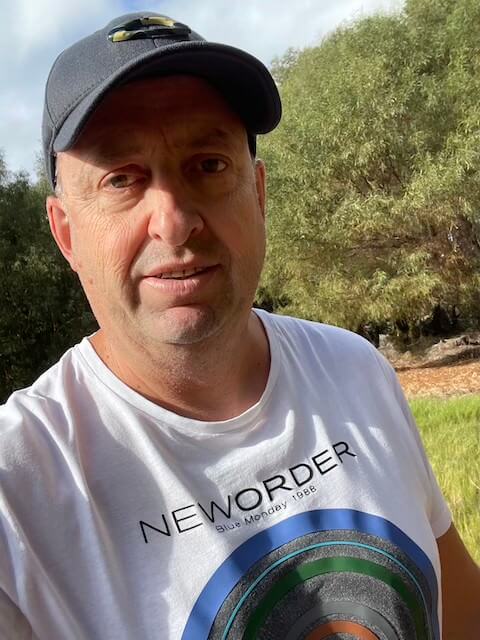
I lost 20 pounds, about 10 kilograms, in the months after I was diagnosed. My CPAP numbers improved, my daytime energy improved, and my blood pressure improved. But I still needed CPAP. That is the most important thing to understand about weight loss as a sleep apnea treatment: it can dramatically improve the disease, sometimes resolve milder cases entirely, and rarely cures severe cases on its own.
Harvard Health and the Sleep Foundation both note that even a modest weight reduction, on the order of 10 percent of body weight, can meaningfully reduce AHI in patients with obesity related OSA. Some research has found that weight loss preferentially reduces fat in the tongue and lateral pharyngeal walls, which has a more direct effect on airway patency than overall weight reduction would suggest.
Beyond weight, the lifestyle factors that genuinely matter include avoiding alcohol close to bedtime, avoiding sedative medications where possible, treating nasal congestion and allergies that compromise nasal breathing, and quitting smoking. Tobacco smoke causes upper airway inflammation and worsens sleep apnea independently of its other harms. The effect of secondhand smoke is also real and is covered separately in my piece on secondhand smoke and sleep apnea.
For a more complete look at the lifestyle approach, my guide on reversing sleep apnea naturally walks through what these changes can and cannot accomplish.
GLP-1 Medications: Zepbound for Sleep Apnea
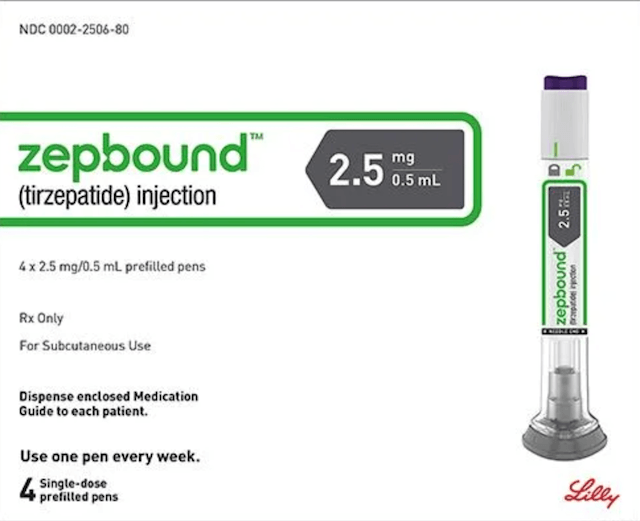
This is the newest and probably most consequential addition to the alternative treatment landscape. In December 2024, the FDA approved Zepbound (tirzepatide) for the treatment of moderate to severe obstructive sleep apnea in adults with obesity. It is the first prescription medication ever approved specifically for OSA. The American Academy of Sleep Medicine acknowledged the approval and issued guidance for clinicians and patients.
The approval was based on the SURMOUNT-OSA trials, two randomized double-blind studies that ran for 52 weeks. Participants on Zepbound saw average AHI reductions of 25 to 29 events per hour, and roughly 42 to 50 percent of treated patients reached remission or mild non-symptomatic OSA, depending on whether they were also on PAP therapy. Average weight loss was 18 to 20 percent of body weight, which is substantial. The most common side effects were gastrointestinal: nausea, diarrhea, vomiting, and constipation.
A few things to be honest about. This is approved for adults with both moderate to severe OSA and obesity, not as a general OSA treatment. The drug works by causing weight loss, and the OSA improvement appears to track closely with the weight reduction. It is expensive, often poorly covered by insurance, and it is a long term commitment, since stopping the drug typically results in significant weight regain. The cardiovascular safety profile of GLP-1 agonists for long term sleep apnea management is still being studied. None of this means it is the wrong choice for the right patient. It does mean it is not a magic bullet.
If your OSA is closely tied to obesity and you have been considering GLP-1 medication for weight loss anyway, the OSA indication may change the conversation with your doctor and your insurance. My piece on Zepbound for sleep apnea goes into the trial data and prescribing details.
Inspire Therapy (Hypoglossal Nerve Stimulation)

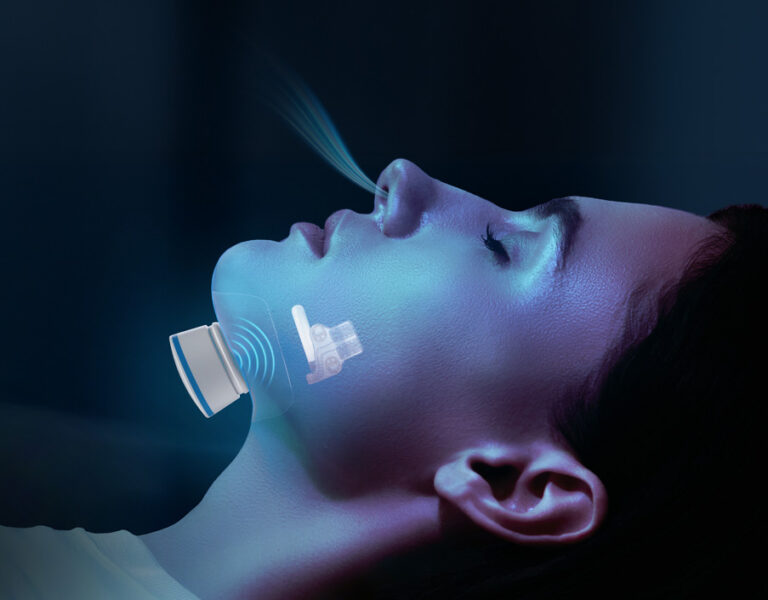
Inspire is an implanted device that stimulates the hypoglossal nerve to gently move the tongue forward during inspiration, keeping the airway open without a mask, hose, or external machine. It is sometimes described as a pacemaker for the tongue, which is a fair shorthand. The system includes a small generator implanted under the skin near the collarbone, a stimulation lead connected to the hypoglossal nerve, and a sensing lead that detects breathing. The patient turns it on at night with a remote.
The eligibility criteria have expanded over time. Per Inspire’s current FDA labeling, the standard adult indication covers people 22 years and older with moderate to severe OSA defined as AHI between 15 and 100, who have failed or cannot tolerate PAP therapy, who do not have complete concentric collapse at the soft palate level on drug induced sleep endoscopy, and whose central or mixed apneas account for less than 25 percent of their total events. Inspire’s clinical materials state the device has been tested in patients with body mass index up to 40, though many insurance policies still impose a stricter BMI threshold around 35. Younger adults aged 18 to 21 with moderate to severe OSA, and adolescents 13 to 18 with Down syndrome and severe OSA, have separate indications.
Real-world outcomes from the ADHERE registry and post-approval studies show meaningful AHI reductions, often from the 30s into single digits, with sustained benefit at 5 years. It is not a cure for everyone. Around two-thirds of carefully selected patients meet the responder definition, which means about one-third do not get a strong response. The device requires surgery, recovery, and an activation period, plus periodic battery replacements over the years.
For me, this is not on the table. My AHI was within the historical range and my BMI is fine, but CPAP works, and elective surgery to replace a working therapy with an implanted device is not a trade I am interested in. For someone who has genuinely struggled with CPAP for years and meets the criteria, Inspire is one of the more compelling options on this list. My deeper dive on Inspire therapy for sleep apnea covers the candidacy assessment and what the surgery actually involves.
EPAP Devices
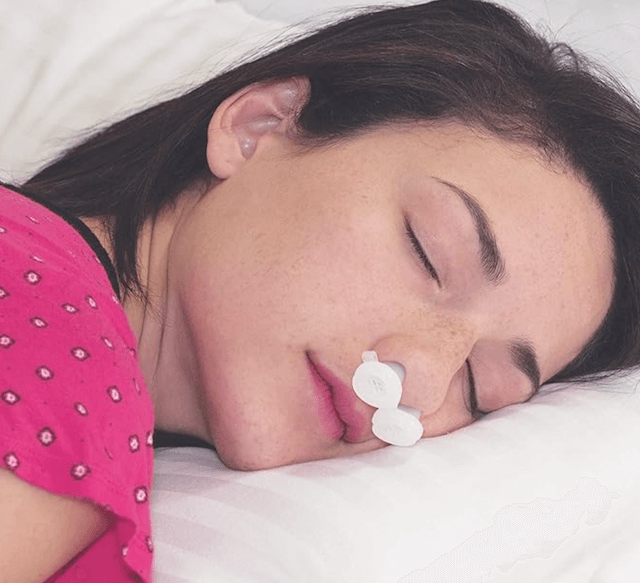
Expiratory positive airway pressure devices are small, single-use or reusable nasal valves that create resistance only when you exhale. The exhaled pressure props the airway open until the next inhalation. They are compact, they need no power, and they are easy to travel with.
A few things have changed in this category that the older articles on this topic miss. Provent, the original FDA-cleared EPAP device, was discontinued by its manufacturer in June 2020, and the last manufactured batch expired in 2023. The current FDA-cleared EPAP devices for OSA are Bongo Rx and ULTepap. Theravent, also from the Provent maker, was an EPAP device cleared for snoring only and was discontinued at the same time as Provent.
The honest picture on efficacy: EPAP devices are FDA cleared for mild to moderate OSA, and Bongo Rx in particular is generally not recommended for patients with AHI above 30. Major insurance carriers continue to classify EPAP as experimental or investigational for OSA because the long-term efficacy data is limited and most of the trials have been small. That does not mean these devices do nothing. For the right patient with mild positional snoring or mild OSA who travels frequently and cannot deal with CPAP on the road, an EPAP device may be a reasonable adjunct or backup. Just do not expect it to handle severe disease.
If you want a deeper look at this tech, head over to my full Bongo RX epap review.
Myofunctional Therapy and Orofacial Exercises
Myofunctional therapy involves a structured set of exercises targeting the muscles of the tongue, soft palate, and pharyngeal walls. The premise is that these muscles, like any others, can be strengthened, and stronger upper airway musculature is more resistant to collapse during sleep.
The evidence is more interesting than the average reader might expect. Several small randomized trials, including some published in respected respiratory journals, have shown statistically significant AHI reductions in patients with mild to moderate OSA who completed structured myofunctional therapy programs. The effect size is real but modest, the studies are small, and the protocols vary. This is not a treatment that is going to take an AHI of 51 down to single digits on its own. But for milder disease, or as an adjunct to other treatments, it has enough research backing to be worth considering.
The practical issue is finding a qualified provider. Search for a certified orofacial myologist or a speech language pathologist with sleep medicine experience. Many offer telehealth sessions now, which has improved access considerably. There are also a few structured online programs that package similar exercises at much lower cost than in person therapy. I covered one of these in my stop snoring program review, with the same caveats: useful for the right buyer with mild disease, not a substitute for proper therapy in severe cases.
Surgical Options
Surgery for sleep apnea is not first line treatment, and it should never be the first thing tried. It is reasonable to consider when other approaches have failed, when there is a clear correctable anatomical issue, or when surgical correction would significantly improve the function of another therapy.
The main procedures include uvulopalatopharyngoplasty (UPPP), which removes excess tissue from the soft palate and back of the throat; maxillomandibular advancement, which physically moves the upper and lower jaws forward to enlarge the airway; nasal procedures like septoplasty for a deviated septum or turbinate reduction for chronic obstruction; and tonsillectomy or adenoidectomy when those tissues are clearly contributing. Newer techniques like barbed reposition pharyngoplasty and robotic assisted base of tongue surgery exist at specialist centers.
Outcomes are mixed and depend heavily on patient selection. UPPP, the most studied procedure, has a long term success rate that varies widely across studies and patient populations. Maxillomandibular advancement has the highest reported success rates among soft tissue surgeries but is also the most invasive and has the longest recovery. Drug induced sleep endoscopy, which lets a specialist see exactly where the airway collapses, has substantially improved patient selection over the last decade.
My pages on sleep apnea surgery and on uvulopalatopharyngoplasty specifically cover this in more detail. The honest summary is that surgery can be life changing for the right patient with the right anatomy after the right evaluation, and it can also fail to help, leave you with permanent side effects, and still require CPAP afterward. The decision is heavy and worth taking time over.
Behavioral and Cognitive Support
Cognitive behavioral therapy for insomnia (CBT-I) is not a sleep apnea treatment, and I want to be clear about that. CBT-I treats insomnia, which is a different problem. But it is increasingly used alongside CPAP and other OSA treatments because so many people with sleep apnea also have insomnia, mask anxiety, or sleep maintenance difficulties that make their primary therapy harder to use.
If you have started CPAP and are struggling with the psychological side, especially the early-month claustrophobic feeling that many new users go through, a sleep psychologist or CBT-I program can be more useful than another piece of equipment. My page on overcoming CPAP anxiety covers some of the specific tactics that helped me in the early months.
Combination Approaches
The most underappreciated point in this whole conversation is that these alternatives do not have to be picked alone. A patient with moderate OSA might do well on a combination of weight loss, positional therapy, and a mandibular advancement device, achieving better outcomes than any single one of those would deliver. A CPAP user with persistent positional component might benefit from adding side sleep training. Someone on Zepbound for obesity related OSA may continue to need CPAP at higher pressures during the months it takes to lose the weight.
Customizing a plan with a sleep physician who knows your data, your anatomy, and your life is almost always going to beat a single-treatment approach. The alternatives discussed above are tools in a toolkit, not a multiple choice exam.
How to Decide What Is Right for You
A reasonable framework, in my opinion, looks something like this. If you have not yet been diagnosed by a sleep study, get the diagnosis first. Treating sleep apnea you do not have, or treating central sleep apnea as if it were obstructive, is a waste of effort and sometimes worse. If you have mild to moderate OSA, you have the widest menu of alternatives, and a frank conversation with your sleep physician about what you are willing to commit to nightly will probably narrow it quickly. If you have severe OSA, CPAP remains the most reliable option, but Inspire, surgery, or combination therapy with weight loss and an oral appliance can be reasonable second lines if CPAP genuinely fails despite a sustained effort.
Whatever you choose, follow it up with objective measurement. A repeat sleep study, or at least the data from a CPAP machine if you stay on PAP, is the only way to confirm a treatment is actually working. People can feel better and still have an unhealthy AHI, and people can feel about the same and have major underlying improvement. The numbers matter.
For a wider view of the whole landscape including more severe device options, my page on the differences between ASV, BiPAP, and CPAP covers what is in scope for harder cases, and the Sleep Foundation’s overview of CPAP alternatives is a good independent reference.
A Few Things I Will Not Do on This Page
I will not tell you that CPAP is the only option. It is not, and pretending otherwise has driven plenty of people away from sleep medicine entirely.
I will not tell you that any of these alternatives is as reliable as CPAP for severe disease. The evidence does not support that claim.
I will not pretend to have personally tested treatments I have not used. The lifestyle changes I have made are real. The CPAP experience is real. The MAD, the Inspire, the EPAP devices, the surgery, the medications: I have read about them, talked to clinicians and readers about them, and tried to summarize the research honestly. That is not the same as wearing one for a year, and you deserve to know the difference.
If you have tried something on this list and have an experience to share, I would genuinely like to hear about it. Comments are open below. I read them, and the patterns that emerge from real users often shape what I write about next.
⚠️ MEDICAL DISCLAIMER This blog provides general information only and is not a substitute for professional medical advice, diagnosis, or treatment. Sleep apnea is a serious condition, and CPAP equipment should be used under proper medical supervision. Always consult your doctor or sleep specialist before starting, stopping, or changing any therapy. I share personal experiences as a CPAP user, not as a medical professional. Individual results vary. For medical guidance, please consult a qualified clinician or the American Academy of Sleep Medicine (aasm.org).