Philips DreamStation Review: Recalled ASV Machine

⚠️ CRITICAL UPDATE: The Philips DreamStation BiPAP autoSV Advanced was part of a major recall in June 2021. Philips stopped selling all CPAP and BiPAP machines in the United States as of January 2024. This article provides educational information about the device and explains safer alternatives for ASV therapy.
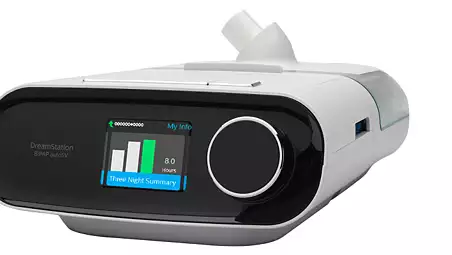
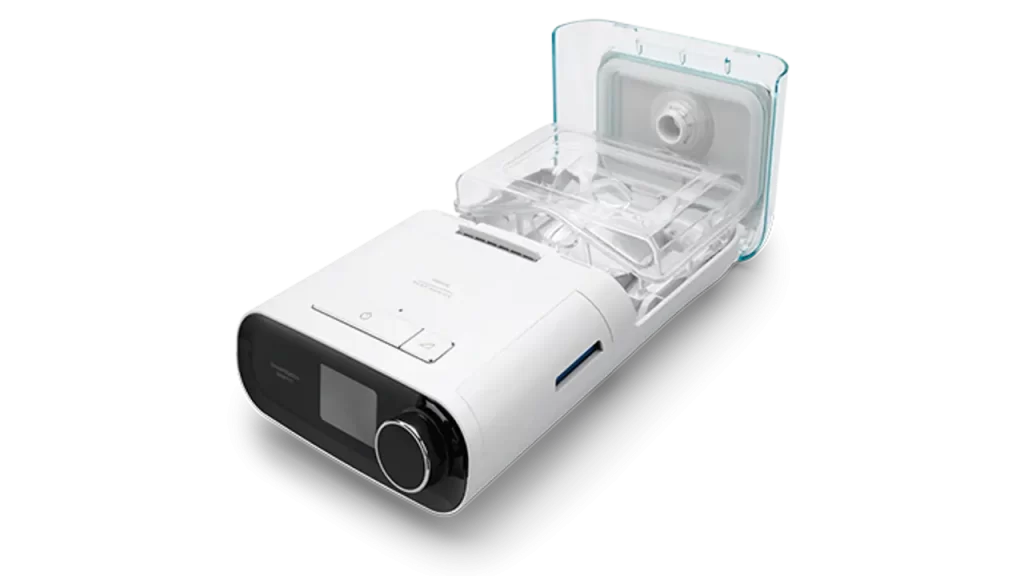
Back in 2021, I watched the sleep apnea community go through something close to a crisis. People woke up to news that the Philips machines they had been breathing through every night contained foam that could be breaking down and releasing particles and chemicals into their airways.
The Philips DreamStation BiPAP autoSV Advanced was caught right in the middle of that recall. Before 2021, it represented some of the most capable adaptive servo ventilation technology available for treating central sleep apnea and complex sleep apnea.
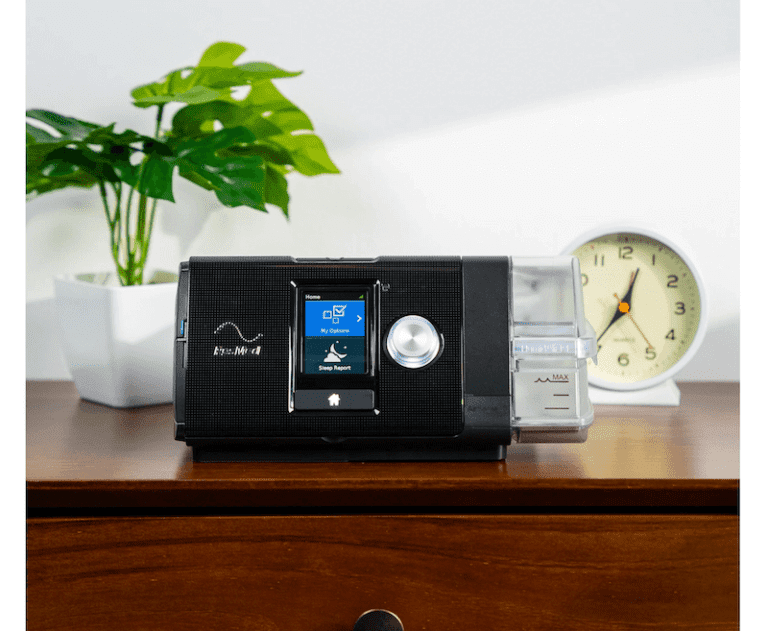
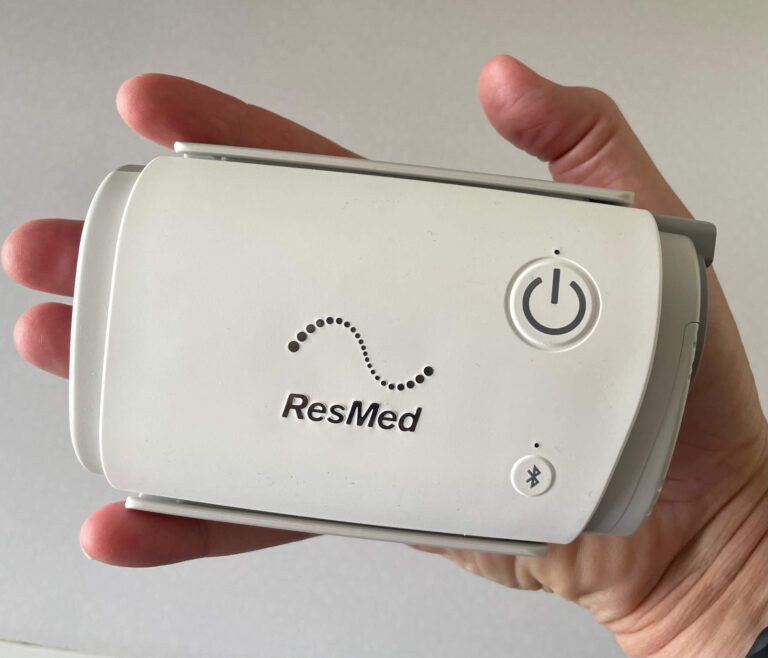
I want to be upfront about where I stand. I have never used a DreamStation. My own therapy has been ResMed from day one, an AirSense 10 at home and an AirMini for travel, both with the same AirFit F20 full face mask. I also have obstructive sleep apnea, not central sleep apnea, so ASV is not a therapy I have personal experience with. What follows is research, written by a patient who has spent more than a decade inside this world and who followed the recall closely as it unfolded. Treat it as a starting point for a conversation with your sleep physician, not as advice from one.
What Happened: The Philips Recall Explained
In June 2021, Philips issued a voluntary recall that the FDA says affected roughly 15 million devices worldwide, including the DreamStation BiPAP autoSV Advanced. The problem centered on polyester-based polyurethane foam, usually shortened to PE-PUR foam, which Philips used inside these machines to reduce noise and vibration.
That foam can break down over time, particularly when exposed to heat, humidity, or ozone cleaning devices. When it degrades, it can release small black particles and volatile organic compounds that a user could inhale or swallow through the air path of the machine.
The FDA received well over one hundred thousand medical device reports connected to the foam issue, including hundreds of reported deaths. Reported problems ranged from respiratory irritation and headaches to concerns about longer-term effects. In April 2024, a federal court entered a consent decree against Philips Respironics that restricts the company from selling new CPAP and BiPAP machines in the United States until it meets a series of requirements, and that mandates a remediation plan for affected patients. The FDA maintains a detailed and regularly updated page on the Philips recall, and if you own any Philips sleep therapy device, that page is worth bookmarking.
If you are still using a recalled Philips device, talk to your sleep physician before you do anything else. Stopping therapy carries its own serious risks, especially with central sleep apnea, so the decision about whether to keep using the machine while you arrange a replacement is one to make with your doctor, weighing the foam risk against the danger of untreated sleep apnea.
What the DreamStation BiPAP autoSV Advanced Was Designed to Do
To be clear from the start, I am not recommending that anyone buy this machine. It is recalled, and Philips no longer sells sleep therapy devices in the US market. But understanding what it did helps explain why the recall hit so hard, and what to look for in a replacement.
The DreamStation BiPAP autoSV Advanced was an ASV machine. It was built for people whose breathing problem is not a blocked airway but a signaling problem, where the brain fails to send consistent instructions to the breathing muscles. That covers central sleep apnea, complex sleep apnea where obstructive and central events mix together, and Cheyne-Stokes respiration, an abnormal waxing and waning breathing pattern often associated with heart failure.
A standard CPAP machine like mine delivers air at a pressure that holds the airway open. That works for obstruction. It does nothing for a breath that never gets initiated. An ASV machine watches every breath and responds to it. When the DreamStation detected a central apnea, it could deliver backup breaths at a set rate until normal breathing resumed. It varied the expiratory pressure to manage any obstructive component, and it adjusted pressure support on top of that to smooth out the erratic overbreathing and underbreathing patterns that define central sleep apnea. The design goal was always the lowest pressure that kept breathing stable, rather than a fixed setting.
If you want a deeper explanation of how these three therapy types differ, I cover it in my ASV vs BiPAP vs CPAP comparison, and the simpler CPAP vs BiPAP question gets its own article.
What the Research Says About ASV Therapy
ASV therapy has solid evidence behind it for the right patient. Studies have repeatedly shown that ASV can normalize the apnea hypopnea index in people with central sleep apnea, and patients commonly report better sleep quality once their breathing stabilizes.
There is one major caution, and it matters enough that I want to spell it out even in an article about a discontinued machine. A large trial called SERVE-HF, published in the New England Journal of Medicine in 2015, found increased mortality when ASV was used in patients who had heart failure with reduced ejection fraction, specifically an ejection fraction of 45 percent or below, combined with moderate to severe central sleep apnea. As a result, the American Academy of Sleep Medicine recommends against ASV for that specific group. ASV remains an option for people with preserved heart function or milder central sleep apnea.
This is exactly why ASV is not a therapy you choose from a review article. It is prescribed and supervised by a sleep physician who knows your cardiac history. My job here is only to make sure you walk into that conversation informed.
The Features That Made It Popular
The DreamStation earned its market position honestly, which is part of why the recall stung so many people who genuinely liked their machines.
Its interface was widely regarded as one of the easiest in the category. The large color touchscreen made setup and nightly use straightforward, which matters more than spec sheets suggest, because plenty of ASV users are older patients managing multiple health conditions.
It connected over Bluetooth to the DreamMapper app, which tracked the same kinds of metrics I watch in myAir on my ResMed: usage hours, leak rates, and AHI. Being able to interpret your own therapy data is one of the most underrated parts of succeeding with this treatment, whatever brand you use.
On the comfort side, it offered Bi-Flex pressure relief during exhalation, a similar idea to the EPR feature on my ResMed machines, plus a ramp function and an optional heated humidifier. At just under three pounds, it was also reasonably light for an ASV machine, though nothing in this category competes with a dedicated travel unit.
None of that changes the foam problem. It just explains why so many people were attached to these machines and why losing them mid-therapy felt like such a blow.
Safer ASV Alternatives Available Today
If you were using a DreamStation BiPAP autoSV Advanced, or you have a new central sleep apnea diagnosis and ASV is on the table, these are the machines your sleep physician is most likely to discuss with you.
The ResMed AirCurve 10 ASV became the default replacement during the recall years. It was not affected by the Philips recall, it delivers the same category of therapy, and it ties into ResMed’s myAir ecosystem for data tracking. Having used ResMed equipment nightly for more than a decade, I can at least vouch for the company’s build quality and app experience from the CPAP side of the fence, though I will say again that I have not slept with an AirCurve.
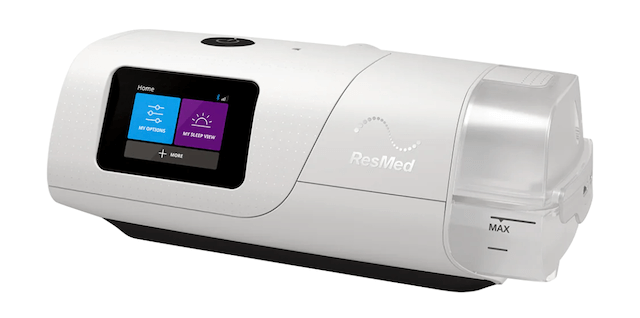
The ResMed AirCurve 11 ASV is the current generation. It adds the touchscreen interface and setup assistance features that the AirSense 11 brought to the CPAP line, along with updated humidification control. If insurance is covering a new machine, this is the modern option.
Your sleep physician or equipment provider may also raise other bilevel and ASV devices depending on your prescription and what your insurer covers. The honest summary is that since Philips left the US sleep market, ResMed dominates this category, and for most patients the choice comes down to which AirCurve generation is available to them.
Who ASV Therapy Is For, and Who It Is Not For
ASV is a specialist therapy with a fairly narrow set of right answers. It is generally considered for treatment emergent central sleep apnea, which is when central apneas appear after starting CPAP, for idiopathic central sleep apnea, for central apnea related to opioid medications or neurological conditions, and for complex sleep apnea. Cheyne-Stokes respiration can also be an indication, with careful cardiac evaluation first.
It is not for straightforward obstructive sleep apnea like mine. If your airway collapses but your brain keeps sending the signal to breathe, CPAP or bilevel therapy is the right tool and an ASV machine is an expensive way to get the same result. And as covered above, it is specifically recommended against for heart failure patients with reduced ejection fraction and moderate to severe central sleep apnea.
Cost is worth a frank word too. ASV machines sit at the top of the home sleep therapy price range, well above a standard CPAP. Most insurers cover them when the diagnosis is documented, but typically only after the cheaper options have been tried or ruled out, and with ongoing compliance monitoring. Expect more paperwork than a standard CPAP setup.
What the Recall Taught the Rest of Us
I run ResMed equipment, so the recall never touched my bedside table. It still changed how I think about this hobby of staying alive overnight, and a few lessons apply to every CPAP user regardless of brand.
The foam breakdown was worse in older machines and in machines exposed to heat and humidity. That reinforced something I already believed about replacement schedules: these are medical devices with a service life, not appliances you run until they die.
Ozone cleaning devices accelerated the foam degradation. The FDA does not recommend ozone cleaners for CPAP equipment, and I have always done it the boring way, soap and warm water, a quick cushion wash daily and a proper deep clean weekly. The recall turned that from a preference into a vindication.
Register your equipment with the manufacturer. One of the ugliest parts of the recall was how long it took Philips to reach affected users. If your contact details are not on file, you are invisible when something like this happens.
And keep a real relationship with your sleep physician. A recall of this scale should reach you through your care team, not through a news article. If your provider never mentioned it to affected patients, that tells you something about the monitoring you are getting.
If You Are Transitioning Off a Recalled Machine
A few practical points if you are moving from a DreamStation to a replacement.
Your mask and tubing are generally compatible across brands, so do not throw away working supplies until the new setup is confirmed and comfortable. Record your current settings and export or photograph your therapy data before the old machine goes back, because that history helps your physician program the replacement. Expect a short adjustment period even between two ASV machines, since the algorithms behave differently, and ask whether a fresh titration or follow up study makes sense if it has been a few years. If you move to ResMed, give myAir a little time. It works differently from DreamMapper, and in my experience it is genuinely good once you are used to it.
Above all, do not let the transition become a gap in therapy. Untreated central sleep apnea is not a neutral state to sit in while paperwork moves.
Final Thoughts
I will be honest: the Philips recall shook my trust in this industry. Evidence about the foam existed before the recall was issued, and that is hard to forgive in devices people strap to their faces every night. It is also a large part of why I only write hands on reviews of equipment I have actually slept with, and why this article is labeled as research rather than experience.
The DreamStation BiPAP autoSV Advanced was, by all accounts, a genuinely good machine undone by a terrible materials decision. Its story now serves mainly as a reference point: if you needed what it offered, the AirCurve line offers the same therapy without the foam risk.
If you need ASV therapy, please do not let the recall scare you off treatment itself. Central sleep apnea raises real cardiovascular and stroke risks, safe machines exist, and the therapy works. Work with a sleep physician who knows the current guidance, advocate for yourself with your insurer, and keep breathing.
⚠️ MEDICAL DISCLAIMER This blog provides general information only and is not a substitute for professional medical advice, diagnosis, or treatment. Sleep apnea is a serious condition, and CPAP equipment should be used under proper medical supervision. Always consult your doctor or sleep specialist before starting, stopping, or changing any therapy. I share personal experiences as a CPAP user, not as a medical professional. Individual results vary. For medical guidance, please consult a qualified clinician or the American Academy of Sleep Medicine (aasm.org).