AD109: A New Pill for Sleep Apnea?

If you’ve ever battled with a CPAP machine like me —straps tangled, hose tugged loose, pressure too high, or just the plain discomfort—something exciting could be around the corner.
According to this 2025 article in Science.org, AD109 showed striking success in a large clinical trial.
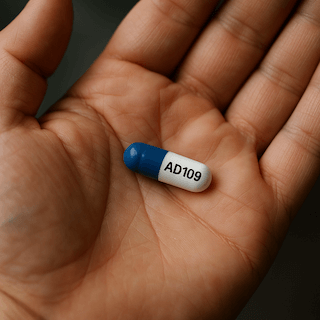
I was diagnosed with severe obstructive sleep apnea in 2015 and began using a CPAP machine, which has helped tremendously and turned my life around. My diagnosis is severe, so I don’t think this treatment is going to benefit me.
But there are many people, maybe like you, who struggle with CPAP machines. And if you are diagnosed with a less severe form of OSA, this could be a game-changer!
What Is AD109?
AD109 is a once-daily oral medication developed by Apnimed, a company at the forefront of sleep apnea research focused on pharmaceutical innovation. The pill combines two active ingredients:
- Atomoxetine: a norepinephrine reuptake inhibitor
- Aroxybutynin: an antimuscarinic
Together, they strengthen the muscles that keep your airway open during sleep, reducing apneas and hypopneas. (AASM.org)
How AD109 Works vs. CPAP
| Feature | CPAP | AD109 |
|---|---|---|
| Mechanism | Mechanical – air pressure keeps airway open | Pharmacologic – strengthens airway muscles |
| Delivery | Mask + machine | Once-daily pill |
| Adherence | Can be challenging | Potentially easier |
| Target Population | All OSA patients | People intolerant or refusing CPAP |
Clinical Trial Results
SynAIRgy Phase 3 Trial (26 weeks)
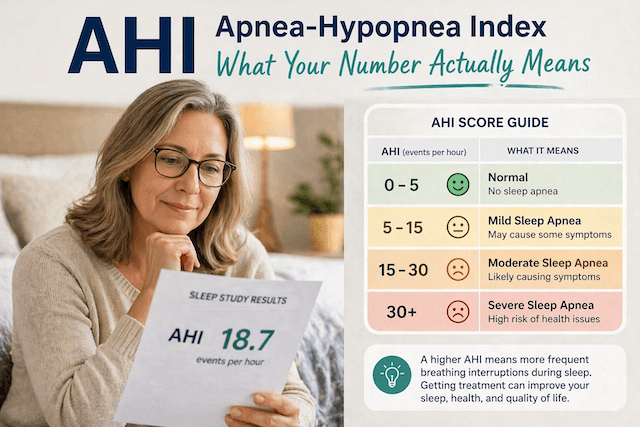
- 55.6% reduction in AHI (apnea-hypopnea index) vs placebo
- 51.2% of participants improved in OSA severity classification
- 22.3% achieved complete disease control (AHI < 5)
- Well-tolerated: mild side effects like dry mouth, urinary hesitancy, no serious adverse events
LunAIRo Phase 3 Trial (12 months)
- Positive topline results consistent with SynAIRgy, confirming efficacy across a broad patient population
These studies included people with mild, moderate, and severe OSA, showing that AD109 could help a wide range of patients. (AASM.org)
FDA Status and Availability
AD109 is not yet FDA-approved, but Apnimed plans to submit a New Drug Application (NDA) in Q2 2026. If approved, a realistic estimate for public availability could be late 2026, though review timelines may vary. (PRNewswire)
Side Effects and Safety
In trials, AD109 was generally well-tolerated:
- Common mild side effects: dry mouth, urinary hesitancy
- Long-term safety: still being studied, especially for people with cardiovascular issues
- Important note: Always consult a clinician before starting any new therapy
Other Emerging Sleep Apnea Treatments
While AD109 is the most talked-about pharmacologic therapy, other options are gaining attention:
- Zepbound (tirzepatide): Approved for obesity, indirectly improves OSA via weight loss
- Solriamfetol (Sunosi) & Pitolisant: Wakefulness-promoting drugs that address daytime sleepiness, but don’t treat the underlying airway collapse
These drugs don’t replace CPAP but offer new ways to manage symptoms or complement existing treatments.
Why This Matters
CPAP is effective, but adherence remains a major hurdle — nearly half of users stop within the first year. A pill that can reduce AHI and improve oxygenation could dramatically improve the quality of life for those who struggle with devices.
For CPAP users like me, AD109 could mean:
- Less mechanical hassle
- More consistent treatment adherence
- Potentially more restful sleep

So, can we throw our CPAP machines out the window? Maybe, let’s wait and see.
Looking Ahead
I can still remember the morning headaches, foggy concentration, and constant fatigue before starting CPAP therapy. It’s life-changing when you finally get restful sleep again.
For people unable to tolerate traditional treatment, the AD109 sleep apnea pill could offer that same life-changing relief.
So if you’ve been searching for a new sleep apnea drug or wondering what the future holds for OSA treatment, keep AD109 on your radar.
AD109 Sleep Apnea Pill – Frequently Asked Questions (FAQ)
Q1: Will AD109 replace CPAP therapy?
A: Not for everyone. CPAP remains the gold standard for severe OSA, but AD109 could be a viable alternative for those who struggle with masks, hoses, or discomfort. Some people may use it in combination with other therapies.
Q2: When will AD109 be available?
A: Apnimed plans to submit a New Drug Application (NDA) in Q2 2026. If approved, AD109 could realistically be available to the public by late 2026. FDA review timelines may affect this estimate.
Q3: Who is a candidate for AD109?
A: Current trials included adults with mild, moderate, and severe OSA. Ideal candidates may include those who cannot tolerate CPAP or are seeking a non-invasive pharmacologic option. A clinician should determine suitability.
Q4: How is AD109 taken?
A: It is a once-daily oral pill, taken before bedtime. Unlike CPAP, no device or mask is required.
Q5: Are there side effects?
A: Clinical trials reported mild side effects such as dry mouth or urinary hesitancy. No serious adverse events were linked to the drug. Long-term safety is still being monitored.
Q6: Does AD109 treat daytime sleepiness?
A: AD109 primarily targets apnea events by strengthening airway muscles. It may improve sleep quality, but additional medications like Solriamfetol (Sunosi) or Pitolisant are sometimes used specifically for daytime sleepiness.
Q7: Will insurance cover AD109?
A: Coverage will depend on insurance plans and FDA approval. It’s too early to say definitively, but major insurers are expected to consider coverage once the drug is approved.
Final Thoughts
With its promising clinical results and the growing need for effective, non-invasive therapies, AD109 could soon become a first-line treatment. Combined with other new treatments for sleep apnea, we’re witnessing a shift in how OSA is managed.
⚠️ MEDICAL DISCLAIMER This blog provides general information only and is not a substitute for professional medical advice, diagnosis, or treatment. Sleep apnea is a serious condition, and CPAP equipment should be used under proper medical supervision. Always consult your doctor or sleep specialist before starting, stopping, or changing any therapy. I share personal experiences as a CPAP user, not as a medical professional. Individual results vary. For medical guidance, please consult a qualified clinician or the American Academy of Sleep Medicine (aasm.org).