Does My Child Have Sleep Apnea? A Parent’s Complete Guide

As a parent, few things are more concerning than worrying about your child’s health—especially when it comes to something as fundamental as breathing during sleep.

Does My Child Have Sleep Apnea

I know this concern firsthand. When my son recently went under anesthesia for dental surgery, the anesthetist expressed worry about his breathing patterns during the procedure. That conversation sent me down a path of research and evaluation that every parent should know about.

If you’ve noticed your child snoring loudly, gasping for air at night, or struggling with behavioral problems during the day—or if a medical professional has raised concerns during a procedure—you might be wondering: does my child have sleep apnea?

Sleep apnea isn’t just an adult condition. It affects between 1% to 5% of children of all ages, from infants and toddlers to adolescents and teenagers. While childhood sleep apnea differs from adult sleep apnea in several important ways, it can have significant consequences if left untreated—affecting your child’s growth, development, behavior, and academic performance.

In this comprehensive guide, we’ll explore everything parents need to know about sleep apnea in children, including how to recognize the signs, what causes it, how it’s diagnosed, and what treatment options are available. Understanding this condition is the first step toward ensuring your child gets the restful, restorative sleep they need to thrive.

Understanding Sleep Apnea in Children

Before we dive into symptoms and diagnosis, let’s establish a clear understanding of what sleep apnea is and how it manifests in children.

What Is Pediatric Sleep Apnea?

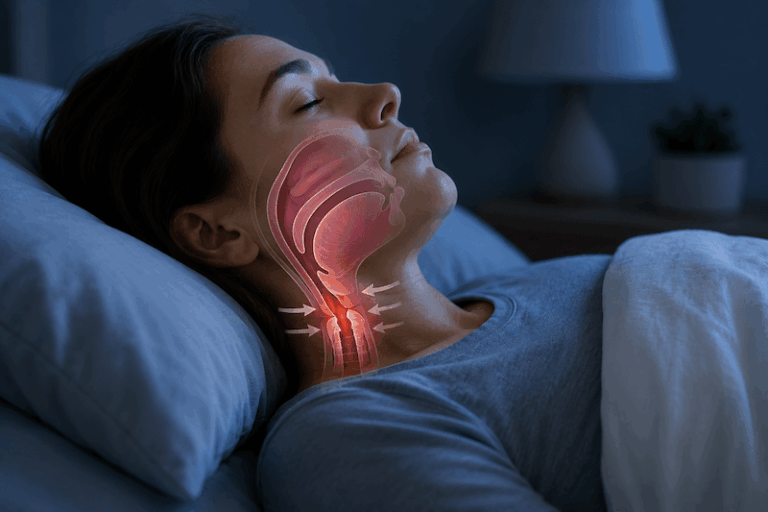
Sleep apnea is a sleep disorder characterized by repeated interruptions in breathing during sleep. These breathing pauses can last from a few seconds to over a minute and can occur multiple times throughout the night, disrupting your child’s sleep patterns and preventing them from getting the deep, restorative sleep their growing bodies need.

The most common type in children is obstructive sleep apnea (OSA), which occurs when something physically blocks the airway during sleep, making it difficult or impossible for air to flow into the lungs despite the body’s efforts to breathe.

Types of Sleep Apnea in Children

Three main types of sleep apnea can affect children:

1. Obstructive Sleep Apnea (OSA)

Obstructive sleep apnea is by far the most common type in children, accounting for approximately 95% of pediatric sleep apnea cases. It happens when the upper airway becomes blocked during sleep, typically due to enlarged tonsils and adenoids, but other factors can also contribute.

Unlike adults, who often experience complete airway collapse, children with OSA more commonly experience partial narrowing of the airway rather than complete blockages. This results in shallow breathing (hypopnea) or slower, labored breathing rather than the complete breathing cessations more typical in adults.

2. Central Sleep Apnea (CSA)

Central sleep apnea is much less common in children and typically affects newborns. It occurs when the brain temporarily fails to send signals to the muscles that control breathing. Unlike obstructive sleep apnea, there’s no physical blockage—the child simply stops making an effort to breathe for brief periods.

Central sleep apnea can be particularly concerning in premature infants, whose respiratory control systems may not be fully developed yet.

3. Mixed or Complex Sleep Apnea

Complex sleep apnea (also called treatment-emergent central sleep apnea) is a combination of obstructive and central sleep apnea. This can occasionally occur when a child with obstructive sleep apnea starts treatment with a CPAP machine and develops some central apnea events as well.

How Common Is Sleep Apnea in Children?

Many parents are surprised to learn just how many people have sleep apnea—including children. Current estimates suggest that:

  • 1-5% of children have obstructive sleep apnea
  • The condition can occur at any age, from infancy through adolescence
  • The peak prevalence is between ages 2-8, when tonsils and adenoids are largest relative to airway size
  • While many children snore, only about 2% actually have sleep apnea

Understanding these statistics can help put your child’s symptoms in perspective. If you’re concerned about your child’s breathing during sleep, you’re not alone—and seeking evaluation is absolutely the right step.

Recognizing the Signs: Does Your Child Have Sleep Apnea?

One of the challenges with pediatric sleep apnea is that sleep apnea symptoms in children often look quite different from those in adults. While adults typically complain of excessive daytime sleepiness, children may instead show behavioral problems, difficulty concentrating, or hyperactivity.

Nighttime Symptoms

Watch for these warning signs during sleep:

Loud, Persistent Snoring

While occasional snoring during a cold is normal, habitual snoring (three or more nights per week) is the most common symptom of pediatric sleep apnea. The snoring is often loud, punctuated by pauses, snorts, or gasping sounds. If you’re wondering how to stop snoring in your child, understanding the underlying cause is essential.

However, it’s important to note: not all snoring indicates sleep apnea, and not all children with sleep apnea snore loudly. Some children may have quieter, noisy breathing or gasping without the typical adult-type snoring sounds.

Breathing Pauses

Observed pauses in breathing are a hallmark sign. These typically last a few seconds up to a minute, and you might notice your child’s chest “sucking in” as they struggle to breathe. The pause usually ends with a gasp, snort, or sudden movement as they briefly wake up enough to resume breathing.

Mouth Breathing

Children with sleep apnea often breathe through their mouths during sleep because their nasal passages or throat are obstructed. Chronic mouth breathing can have its own consequences, including mouth breathing affecting sleep apnea and testosterone levels, as well as dental and facial development issues.

Restless Sleep and Unusual Sleeping Positions

Children with sleep apnea rarely sleep peacefully. They often:

  • Toss and turn frequently
  • Sleep in unusual positions (like with their neck hyperextended)
  • Kick or thrash around
  • Sleep with their head hanging off the bed
  • Wake up frequently during the night

Other Nighttime Signs:

  • Choking or coughing during sleep
  • Heavy sweating at night (night sweats)
  • Bedwetting (especially if a previously dry child starts having accidents)
  • Sleepwalking or sleep talking
  • Nightmares or night terrors

Daytime Symptoms

The effects of disrupted sleep often become apparent during waking hours:

Behavioral and Emotional Problems

Sleep-deprived children often exhibit:

  • Hyperactivity (sometimes misdiagnosed as ADHD)
  • Irritability and mood swings
  • Aggression or defiance
  • Difficulty with emotional regulation
  • Social difficulties

Research shows that pediatric obstructive sleep apnea can share symptoms with attention deficit hyperactivity disorder (ADHD), and some children with sleep apnea are misdiagnosed as having ADHD. Some children may have both conditions, and sleep apnea can worsen ADHD symptoms.

Cognitive and Academic Difficulties

Poor sleep affects brain function, leading to:

  • Difficulty concentrating or paying attention in school
  • Learning problems
  • Poor memory
  • Decreased academic performance
  • Slower reaction times

Physical Symptoms

  • Morning headaches
  • Excessive daytime sleepiness (though less common than in adults)
  • Tiredness or appearing “run down”
  • Dry mouth or sore throat upon waking
  • Growth problems or delayed development
  • Poor weight gain (or sometimes obesity)

Important Note: Unlike adults who primarily complain of feeling sleepy, children with sleep apnea are often described as “tired but wired”—they may seem hyperactive or unable to settle down, when they’re actually exhausted.

What Causes Sleep Apnea in Children?

Understanding the underlying causes of pediatric sleep apnea is crucial for determining the most effective treatment approach.

Enlarged Tonsils and Adenoids: The Primary Culprit

In children, enlarged tonsils and adenoids are the most common cause of obstructive sleep apnea, accounting for the majority of cases. These lymphoid tissues are located at the back and sides of the throat and are part of the immune system.

During early childhood (typically ages 2-8), tonsils and adenoids naturally grow larger relative to the size of the airway. When they become excessively enlarged—whether due to genetics, frequent infections, or inflammation—they can significantly narrow or block the airway during sleep when muscles relax.

Understanding can enlarged tonsils cause snoring is often the first step in recognizing sleep apnea in children. However, the issue goes beyond just snoring—these enlarged tissues can cause true breathing obstruction.

Other Anatomical Factors

Craniofacial Abnormalities

Certain facial and skull structures can predispose children to sleep apnea:

Nasal Obstruction

Problems with nasal breathing can contribute to or worsen sleep apnea:

Obesity

While enlarged tonsils and adenoids are the leading cause in children, obesity has become an increasingly important risk factor. Excess weight can:

  • Cause fatty tissue to accumulate around the neck and throat
  • Reduce the size of the upper airway
  • Decrease chest wall compliance, making breathing more difficult

Children who are overweight or obese have significantly higher rates of sleep apnea. Pickwickian Syndrome (obesity hypoventilation syndrome) represents the severe end of this spectrum.

Medical Conditions and Syndromes

Certain medical conditions significantly increase the risk of pediatric sleep apnea:

Down Syndrome: Children with Down syndrome have multiple risk factors, including low muscle tone, enlarged tongue, smaller airways, and often enlarged tonsils and adenoids.

Cerebral Palsy: Abnormal muscle tone and coordination can affect airway patency during sleep.

Prader-Willi Syndrome: This genetic condition causes obesity and low muscle tone, both risk factors for OSA.

Sickle Cell Disease: Can cause adenotonsillar enlargement and is associated with increased OSA risk.

Neuromuscular Disorders: Conditions affecting muscle control can compromise airway stability during sleep.

Other Contributing Factors

  • Allergies: Chronic allergic rhinitis can cause tissue swelling and nasal obstruction
  • Gastroesophageal reflux: Can cause inflammation and swelling of upper airway tissues
  • Family history: Sleep apnea can be genetic, with some children inheriting anatomical features that increase risk
  • Prematurity: Premature infants may have immature respiratory control systems
  • Secondhand smoke exposure: Can cause inflammation and swelling of airways

How Is Sleep Apnea Diagnosed in Children?

If you suspect your child has sleep apnea, the next step is proper evaluation and diagnosis. Early detection is crucial, as treatment can prevent serious complications affecting growth, behavior, and development.

Initial Evaluation

Medical History and Sleep History

Your child’s doctor will ask detailed questions about:

  • Snoring patterns and duration
  • Witnessed breathing pauses
  • Quality of sleep (restlessness, night wakings)
  • Daytime symptoms (behavior, attention, sleepiness)
  • Morning symptoms (headaches, dry mouth)
  • Growth and development
  • Medical history and current medications
  • Family history of sleep disorders

Physical Examination

The doctor will perform a thorough physical exam, paying particular attention to:

  • Tonsils and adenoids: Using a scale (often 1-4) to grade tonsil size
  • Nasal passages: Checking for obstruction, deviation, or inflammation
  • Facial structure: Assessing jaw size, palate shape, and other craniofacial features
  • Neck circumference: Relevant in overweight or obese children
  • Growth parameters: Height, weight, and growth patterns
  • Blood pressure: OSA can affect cardiovascular health

Sleep Study: The Gold Standard for Diagnosis

The definitive test for diagnosing sleep apnea is polysomnography (PSG), commonly called a sleep study. While some adults can use at-home sleep apnea tests, the American Academy of Pediatrics and American Academy of Sleep Medicine guidelines recommend that children undergo overnight polysomnography in a sleep laboratory for the most accurate diagnosis.

What Happens During a Pediatric Sleep Study?

A sleep study for children is painless, non-invasive, and designed to be as comfortable as possible:

  1. Timing: The study is performed overnight during the child’s usual bedtime and sleep hours
  2. Sensors: Small sensors are placed on the child’s:
    • Head (to monitor brain activity and sleep stages)
    • Face (to detect eye movements)
    • Chest and abdomen (to monitor breathing effort)
    • Finger or toe (to measure oxygen levels)
    • Legs (to detect movement)
    • Near nose and mouth (to detect airflow)
  3. Monitoring: Throughout the night, the study records:
    • Brain activity and sleep stages
    • Heart rate and rhythm
    • Breathing patterns and airflow
    • Blood oxygen levels (oxygen saturation below 92% is concerning)
    • Carbon dioxide levels
    • Chest and abdominal wall movement
    • Muscle activity
    • Body position
    • Snoring and other sounds
  4. Parent Presence: Most sleep labs encourage at least one parent to stay overnight with the child. This helps the child feel comfortable and allows parents to confirm whether the study captured the child’s typical sleep patterns.

Understanding Sleep Study Results

The most important measurement is the Apnea-Hypopnea Index (AHI)—the total number of apneas (complete breathing pauses) and hypopneas (partial breathing reduction) per hour of sleep.

Pediatric AHI interpretation differs from adult criteria:

  • Normal: AHI less than 1
  • Mild OSA: AHI 1-5 events per hour
  • Moderate OSA: AHI 5-10 events per hour
  • Severe OSA: AHI greater than 10 events per hour

Note that an AHI that would be considered mild in an adult (5 events/hour) is actually moderate in a child. Children are more sensitive to sleep fragmentation, and even relatively low AHI numbers can have significant impacts on health and development.

Alternative Diagnostic Tools

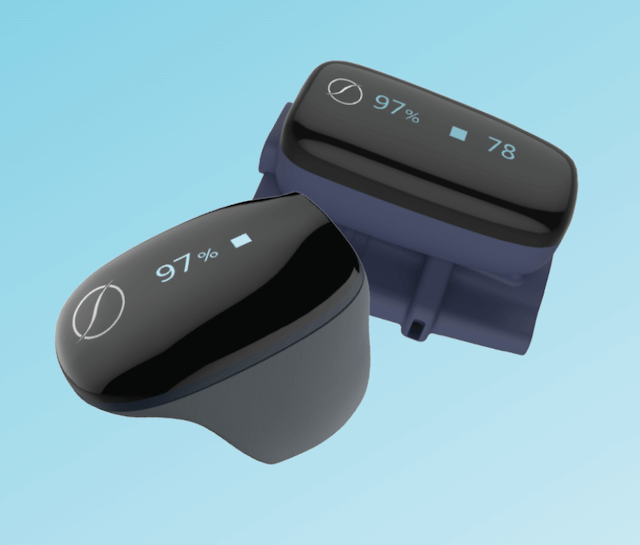
Oximetry

In some straightforward cases where the doctor is fairly confident in the diagnosis, an overnight oximetry test might be done at home. This simpler test only measures oxygen levels. However, if results are inconclusive or don’t match clinical suspicion, a full polysomnography is still needed.

Questionnaires and Screening Tools

Several validated questionnaires can help identify children at risk:

  • Pediatric Sleep Questionnaire (PSQ)
  • OSA-18 Quality of Life Questionnaire
  • Epworth Sleepiness Scale (modified for children)

These tools are useful for screening but cannot replace a sleep study for definitive diagnosis.

Imaging Studies

Sometimes additional tests are helpful:

  • Lateral neck X-ray to assess adenoid size
  • Nasal endoscopy to evaluate nasal passages and adenoids
  • Cephalometric X-rays to assess craniofacial structure

Treatment Options for Pediatric Sleep Apnea

The good news is that pediatric sleep apnea is highly treatable. The specific sleep apnea treatment approach depends on the underlying cause, severity of the condition, and your child’s individual circumstances.

Adenotonsillectomy: The First-Line Treatment

For most children with sleep apnea caused by enlarged tonsils and adenoids, adenotonsillectomy (T&A)—surgical removal of the tonsils and adenoids—is the first-line treatment and is highly effective.

Success Rates

The data on adenotonsillectomy effectiveness is encouraging but nuanced:

  • Overall, approximately 79% of children have resolution of their sleep apnea after surgery
  • In otherwise healthy children without obesity or other complications, success rates can reach 82-83%
  • Even children who don’t achieve complete cure typically experience significant improvement in symptoms and AHI

A landmark 2013 NIH-funded study found that children who underwent early adenotonsillectomy showed:

  • Improved sleep quality
  • Better behavioral regulation
  • Enhanced quality of life
  • Increased activity levels
  • Less daytime sleepiness
  • Significant improvement, even in overweight children

Who Benefits Most?

Surgery is most effective for children who:

  • Have significantly enlarged tonsils (grade 3 or 4)
  • Don’t have severe obesity
  • Don’t have comorbid conditions like Down syndrome
  • Have moderate OSA (AHI between 5-10)

Partial Tonsillectomy

Some medical centers now offer partial tonsillectomy (tonsillotomy), which removes only the obstructing portion of the tonsils rather than the entire gland. This procedure may offer:

  • Faster recovery time
  • Less postoperative pain
  • Lower risk of bleeding complications
  • Similar effectiveness for sleep apnea treatment

Adenoidectomy Alone

For some children, particularly those with small tonsils but enlarged adenoids, adenoidectomy alone may be sufficient. However, research shows that for children with:

  • AHI ≥ 10, or
  • Tonsil size ≥ 3

Adenotonsillectomy is more effective than adenoidectomy alone.

What to Expect

  • The surgery is typically outpatient (same-day discharge), though children with severe OSA, very young age, or certain medical conditions may need overnight observation
  • Recovery takes 1-2 weeks
  • Pain management is important during recovery
  • A follow-up sleep study is often recommended 6-12 weeks after surgery to confirm resolution

Potential for Residual OSA

It’s important to understand that not all children are cured by adenotonsillectomy:

  • Roughly 50% may have some residual OSA after surgery, though typically improved
  • Children with obesity, severe OSA, or certain syndromes have higher rates of persistent disease
  • Follow-up evaluation is essential to determine if additional treatment is needed

Continuous Positive Airway Pressure (CPAP) Therapy

For children who:

  • Are not surgical candidates
  • Have persistent OSA after adenotonsillectomy
  • Have OSA due to obesity or anatomical factors other than tonsils
  • Need treatment while waiting for surgery or weight loss

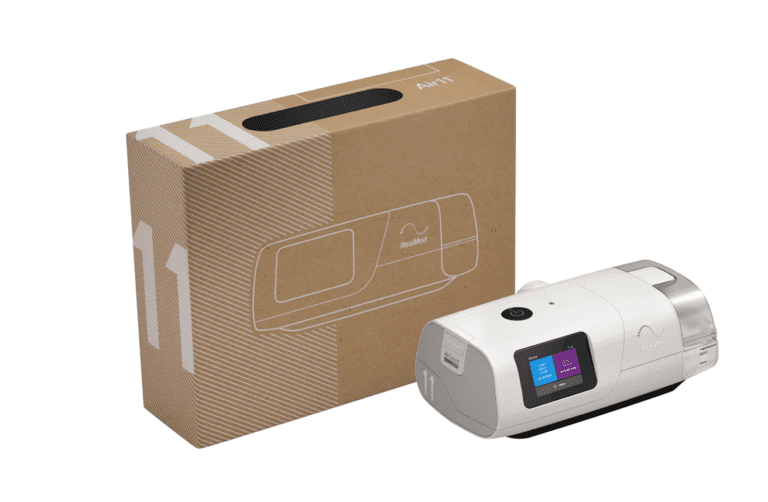
CPAP therapy can be highly effective. A CPAP machine delivers a continuous stream of pressurized air through a mask, keeping the airway open throughout the night.

Pediatric CPAP Considerations

Success Rates

When used consistently, CPAP is extremely effective at controlling sleep apnea in children. However, adherence can be challenging—studies show that compliance rates in children range from 40-80%, depending on factors like age, family support, and side effect management.

Managing CPAP in Children

Tips for success:

  • Start with acclimation during wake time
  • Use positive reinforcement and reward systems
  • Ensure proper mask fit with regular adjustments as the child grows
  • Address side effects promptly (skin irritation, dry mouth, nasal congestion)
  • Consider behavioral interventions or child life specialists
  • Use heated humidification to improve comfort

Weight Management

For overweight and obese children with sleep apnea, weight loss is an essential component of treatment. Even modest weight reduction can significantly improve or resolve OSA symptoms.

A comprehensive weight management program should include:

  • Nutritional counseling with a pediatric dietitian
  • Age-appropriate physical activity recommendations
  • Family-based behavioral interventions
  • Treatment of underlying factors (such as emotional eating)
  • Regular monitoring and support

Understanding the connection between CPAP therapy and weight loss is important—better sleep from CPAP treatment can actually help with weight management by improving energy levels and reducing cravings.

Important Note: Weight loss takes time, and children with severe symptoms may benefit from initiating other treatments (like CPAP) that provide immediate relief while working toward long-term weight goals.

Allergy Management

If allergies contribute to your child’s sleep apnea, treatment may include:

  • Environmental control: Reducing exposure to allergens (dust mites, pet dander, mold, pollen)
  • Medications: Antihistamines, nasal steroid sprays, or leukotriene modifiers
  • Immunotherapy: Allergy shots or sublingual immunotherapy for severe allergies

Proper allergy management can reduce nasal congestion and upper airway inflammation, potentially improving sleep apnea symptoms.

Positional Therapy

Some children have sleep apnea primarily when sleeping on their backs. Positional therapy for sleep apnea encourages side sleeping through:

  • Special sleep positioning devices
  • Positional alarms
  • Modified pillows or sleep positioners

Understanding the best sleeping position for sleep apnea can help reduce symptoms in positional OSA.

Myofunctional Therapy

Myofunctional therapy (oral and nasal breathing retraining) involves exercises to strengthen the tongue, throat muscles, and facial muscles. This physical therapy approach aims to:

  • Promote nasal breathing
  • Improve tongue posture
  • Strengthen upper airway muscles
  • Correct oral habits that contribute to OSA

While research is still emerging, some studies suggest myofunctional therapy can be a helpful adjunct treatment, particularly for mild cases.

Other Surgical Options

When adenotonsillectomy is insufficient or inappropriate, other surgical interventions may be considered:

Nasal Surgery

  • Septoplasty for deviated septum
  • Turbinate reduction for enlarged turbinates
  • Functional endoscopic sinus surgery for chronic sinus disease

Maxillofacial Surgery

  • Rapid maxillary expansion (to widen the upper jaw)
  • Mandibular advancement (for children with small or recessed jaws)
  • Other orthodontic interventions

Lingual Tonsillectomy

  • Removal of enlarged lingual tonsils (located at the base of the tongue)

Supraglottoplasty

  • For children with laryngomalacia contributing to airway obstruction

Watchful Waiting

In select cases of mild sleep apnea in otherwise healthy children with borderline tonsil size, doctors may recommend a period of observation. Some children naturally outgrow mild OSA as they grow and their airways enlarge.

However, during watchful waiting:

  • Symptoms should be monitored closely
  • Follow-up sleep studies may be recommended
  • Treatment should be initiated if symptoms worsen
  • This approach is NOT appropriate for moderate or severe OSA

The Health Consequences of Untreated Sleep Apnea in Children

Understanding the potential complications of untreated pediatric sleep apnea underscores the importance of early diagnosis and treatment.

Neurocognitive and Behavioral Effects

Academic Performance

Sleep apnea significantly impacts learning and school performance:

  • Difficulty with attention and concentration
  • Impaired memory consolidation
  • Reduced problem-solving abilities
  • Lower grades and test scores
  • Increased risk of being held back a grade

Studies show that even mild sleep-disordered breathing in children is associated with academic difficulties.

Behavioral Problems

Sleep apnea and mental health are closely connected in children:

  • Hyperactivity resembling ADHD
  • Impulsivity and poor self-control
  • Aggression and oppositional behavior
  • Emotional dysregulation
  • Anxiety and depression
  • Social difficulties

Research confirms that treating sleep apnea often dramatically improves these behavioral issues—sometimes eliminating the need for ADHD medications that may have been prescribed based on symptoms alone.

Cognitive Development

The developing brain is particularly vulnerable to the effects of sleep deprivation and intermittent hypoxia:

Growth and Physical Development

Growth Hormone Deficiency

Growth hormone is primarily secreted during deep sleep. Sleep apnea disrupts sleep architecture, reducing time in deep sleep and potentially affecting:

  • Linear growth (height)
  • Weight gain
  • Overall physical development
  • Delayed puberty

Many children show improved growth velocity after successful treatment of sleep apnea.

Failure to Thrive

Severe sleep apnea can lead to:

  • Poor weight gain or weight loss
  • Increased caloric expenditure from labored breathing
  • Reduced appetite
  • Feeding difficulties in infants

Cardiovascular Effects

While less common than in adults, children with sleep apnea can develop:

  • Hypertension (high blood pressure): Sleep apnea and cardiovascular health are linked even in childhood
  • Pulmonary hypertension: Increased pressure in the blood vessels of the lungs
  • Cor pulmonale: Right-sided heart strain
  • Left ventricular hypertrophy: Thickening of the heart muscle
  • Cardiac arrhythmias: Irregular heart rhythms

These cardiovascular complications are more likely in children with severe, untreated OSA, particularly those with obesity or underlying heart conditions.

Metabolic Consequences

Sleep apnea in children is associated with:

  • Insulin resistance and glucose intolerance
  • Increased risk of type 2 diabetes
  • Dyslipidemia (abnormal cholesterol levels)
  • Metabolic syndrome
  • Increased systemic inflammation

These metabolic effects can set the stage for long-term health problems extending into adulthood.

Quality of Life Impact

Beyond measurable health outcomes, untreated sleep apnea affects children’s daily lives:

  • Reduced participation in activities and sports
  • Social difficulties due to behavioral problems
  • Poor self-esteem
  • Family stress
  • Missed school days
  • Parental sleep disruption from the child’s snoring or wakings

Surgical and Anesthetic Risks

Children with undiagnosed or poorly controlled sleep apnea face increased risks during any surgery requiring anesthesia:

  • Higher risk of respiratory complications
  • Difficulty with intubation
  • Need for postoperative monitoring
  • Risk of respiratory depression from pain medications

This is one reason why identifying sleep apnea before elective procedures is so important. In my own experience, when my son underwent dental surgery, the anesthetist noticed concerning breathing patterns during the procedure—breathing that looked different from what they typically see in children without sleep issues. This observation became the catalyst for getting him evaluated for sleep apnea.

What Anesthesiologists Notice:

During surgery, anesthesiologists may observe:

  • Difficulty maintaining open airways
  • Unusual respiratory patterns
  • Lower oxygen saturation levels
  • Resistance to standard airway management techniques
  • Prolonged recovery times

These observations during anesthesia can be important clues that warrant sleep apnea evaluation after the child recovers from surgery. If any medical professional—whether an anesthesiologist, dentist, or surgeon—expresses concerns about your child’s breathing during a procedure, take it seriously and discuss sleep apnea screening with your pediatrician.

When Should You See a Doctor?

Given the significant consequences of untreated sleep apnea, knowing when to seek medical evaluation is crucial.

See your pediatrician if your child has:

Nighttime Red Flags:

  • Loud snoring three or more nights per week
  • Witnessed breathing pauses during sleep
  • Gasping, choking, or snorting sounds
  • Very restless sleep
  • Persistent mouth breathing during sleep
  • Sleeping in unusual positions

Daytime Concerns:

  • Excessive daytime sleepiness
  • Morning headaches
  • Difficulty waking in the morning
  • Behavioral problems (hyperactivity, aggression, inattention)
  • Academic difficulties or declining school performance
  • New-onset bedwetting after being dry at night
  • Slow growth or failure to thrive

Seek Immediate Medical Attention if:

  • Your child has very long breathing pauses (more than 10-15 seconds)
  • Your child turns blue (cyanotic) during sleep
  • Your child has extreme difficulty breathing
  • You notice changes in consciousness or alertness

Also Consult Your Pediatrician if:

  • An anesthesiologist, dentist, or surgeon raises concerns about your child’s breathing during any procedure
  • Any healthcare provider suggests that your child may have sleep-disordered breathing
  • Your child needs surgery, and you suspect sleep apnea (pre-operative evaluation is important)

Living with Pediatric Sleep Apnea: Tips for Parents

If your child has been diagnosed with sleep apnea, here are strategies to support their treatment and well-being:

Supporting Treatment Compliance

For Post-Surgical Recovery:

  • Follow all postoperative instructions carefully
  • Manage pain appropriately
  • Ensure adequate hydration
  • Watch for signs of complications (excessive bleeding, high fever, dehydration)
  • Plan for 1-2 weeks of recovery time

For CPAP Users:

  • Establish a consistent bedtime routine
  • Use positive reinforcement for mask wearing
  • Make the experience fun (decorate the mask, use stickers, create reward charts)
  • Ensure regular equipment maintenance and cleaning
  • Schedule regular follow-ups for pressure adjustments and mask sizing
  • Address problems promptly (leaks, skin irritation, discomfort)

Optimizing Sleep Environment

  • Maintain consistent sleep and wake times
  • Create a cool, dark, quiet bedroom
  • Use a humidifier if recommended
  • Elevate the head of the bed slightly (for some children)
  • Remove allergens (use dust mite covers, wash bedding weekly, remove carpets if possible)

Supporting Overall Health

  • Encourage healthy eating habits
  • Promote regular physical activity appropriate for your child’s age
  • Limit screen time, especially before bed
  • Manage allergies effectively
  • Avoid secondhand smoke exposure
  • Maintain regular medical and dental checkups

Monitoring and Follow-Up

  • Keep all scheduled follow-up appointments
  • Report any changes in symptoms to your doctor
  • Consider repeat sleep studies as recommended (typically 6-12 weeks after treatment initiation)
  • Monitor growth parameters
  • Track academic and behavioral improvements

School Communication

Consider sharing information about your child’s diagnosis with:

  • Teachers (so they understand any attention or behavior issues)
  • School nurse (for CPAP use during naps in younger children, or for health emergencies)
  • Coaches (if activity levels are affected)

An Individual Education Plan (IEP) or 504 plan may be appropriate if sleep apnea has affected learning.

The Importance of Follow-Up Testing

After initiating treatment, follow-up evaluation is essential:

Post-Adenotonsillectomy:

  • Many doctors recommend a sleep study 6-12 weeks after surgery
  • This confirms whether the surgery successfully resolved the OSA
  • Children with persistent symptoms definitely need re-evaluation
  • Even children who feel better may have residual OSA requiring additional treatment

For CPAP Users:

  • Regular follow-ups to ensure proper pressure settings
  • Adjustments as the child grows
  • Troubleshooting of any problems
  • Download and review CPAP data at appointments

For Weight Loss Programs:

  • Regular weigh-ins and progress checks
  • Repeat the sleep study after significant weight loss
  • Ongoing support and encouragement

Special Considerations for Different Age Groups

Infants and Toddlers

Sleep apnea in very young children requires special attention:

  • May present differently than in older children
  • Higher risk of serious complications
  • Often requires inpatient monitoring after surgery
  • May need specialized pediatric sleep specialists
  • Central apnea is more common in premature infants

School-Age Children

This age group (6-12 years) represents the peak for adenotonsillar OSA:

  • Often excellent candidates for surgery
  • May show dramatic improvements in behavior and academics after treatment
  • Old enough to participate in CPAP therapy if needed
  • Important to address before permanent academic or social consequences develop

Adolescents

Teenagers with sleep apnea face unique challenges:

  • May be self-conscious about treatment (especially CPAP)
  • More similar to adult OSA (obesity is often a factor)
  • May benefit from CPAP machines for women or sleeker designs
  • Compliance can be challenging without strong motivation
  • Important to emphasize connection to athletic performance, appearance, and peer relationships

Pediatric Sleep Apnea in Children with Special Needs

Children with certain conditions face higher risks and unique challenges:

Down Syndrome

Children with Down syndrome have very high rates of OSA (50-90%) due to:

  • Low muscle tone
  • Smaller upper airway
  • Enlarged tongue
  • Mid-face hypoplasia
  • Often enlarged tonsils and adenoids

Treatment is more complex, with lower success rates for adenotonsillectomy alone. Many require CPAP therapy.

Cerebral Palsy

Abnormal muscle tone and coordination affect airway patency. Treatment must be individualized.

Prader-Willi Syndrome

This genetic condition causes obesity, hypotonia, and high OSA risk. Requires comprehensive, multidisciplinary management.

Sickle Cell Disease

OSA can worsen sickle cell complications. Early diagnosis and treatment are particularly important.

The Role of Dental and Orthodontic Interventions

Dentists and orthodontists play an increasingly important role in pediatric sleep apnea:

Early Recognition

  • Dentists may be the first to notice signs like mouth breathing, a narrow palate, or crowded teeth
  • Can screen for sleep apnea risk factors

Orthodontic Treatment

  • Rapid maxillary expansion (widening the upper jaw) can increase nasal airway space
  • May reduce OSA severity in some children
  • Often combined with other treatments

Oral Appliances

  • Sleep apnea mouth guards are less commonly used in young children, but may be an option for adolescents
  • Mandibular advancement devices can help some teenagers

The Bottom Line: Trust Your Instincts

As a parent, you know your child better than anyone. If something seems wrong with your child’s sleep or daytime functioning, trust your instincts and seek evaluation. Common concerns parents initially brushed off as “normal snoring” or “active behavior” turned out to be treatable sleep apnea.

In my case, I’m grateful that an observant anesthetist raised concerns about my son’s breathing during a routine dental procedure. What could have remained undiagnosed—potentially leading to years of poor sleep, behavioral issues, and health complications—is now being properly evaluated and addressed. Sometimes these concerns come from unexpected places: a teacher noticing attention problems, a dentist observing a narrow palate, or in our case, an anesthetist during surgery. Regardless of how you become aware of the possibility, what matters is taking the next step.

Early diagnosis and treatment of pediatric sleep apnea can:

  • Prevent serious health complications
  • Improve behavior and academic performance
  • Enhance the quality of life for the entire family
  • Support normal growth and development
  • Set the foundation for lifelong health

Sleep apnea in children is a serious but highly treatable condition. With appropriate diagnosis and treatment, most children go on to sleep soundly, breathe easily, and thrive in all aspects of their lives.

If you’re concerned about your child, the first step is talking to your pediatrician. Don’t wait—your child’s health, development, and future depend on the restorative power of good sleep.


References

  1. Cleveland Clinic. Childhood Sleep Apnea, Pediatric Obstructive Sleep Apnea (OSA). Updated July 24, 2025. Available at: https://my.clevelandclinic.org/health/diseases/14312-obstructive-sleep-apnea-in-children
  2. Marcus CL, Brooks LJ, Draper KA, et al. Diagnosis and management of childhood obstructive sleep apnea syndrome. Pediatrics. 2012;130(3):576-584. doi:10.1542/peds.2012-1671
  3. Children’s National Hospital. Pediatric Obstructive Sleep Apnea – Conditions and Treatments. Available at: https://www.childrensnational.org/get-care/health-library/obstructive-sleep-apnea
  4. Yale Medicine. Pediatric Obstructive Sleep Apnea. Published October 28, 2022. Available at: https://www.yalemedicine.org/conditions/pediatric-obstructive-sleep-apnea
  5. Mayo Clinic. Pediatric obstructive sleep apnea – Symptoms and causes. Updated November 6, 2024. Available at: https://www.mayoclinic.org/diseases-conditions/pediatric-sleep-apnea/symptoms-causes/syc-20376196
  6. Cincinnati Children’s Hospital. Pediatric Obstructive Sleep Apnea (OSA) – Diagnosis & Treatment. Available at: https://www.cincinnatichildrens.org/health/o/obstructive-sleep-apnea
  7. Sleep Foundation. Children and Sleep Apnea. Updated July 11, 2025. Available at: https://www.sleepfoundation.org/sleep-apnea/children-and-sleep-apnea
  8. SleepApnea.org. Sleep Apnea in Children: Symptoms, Causes, Treatment. Published December 21, 2016. Available at: https://www.sleepapnea.org/sleep-apnea-in-children/
  9. Medscape. Childhood Sleep Apnea: Practice Essentials, Background, Pathophysiology. Available at: https://emedicine.medscape.com/article/1004104-overview
  10. Kheirandish-Gozal L, Gozal D. Pediatric Obstructive Sleep Apnea. StatPearls. Updated May 1, 2023. Available at: https://www.ncbi.nlm.nih.gov/books/NBK557610/
  11. Brietzke SE, Gallagher D. The effectiveness of tonsillectomy and adenoidectomy in the treatment of pediatric obstructive sleep apnea/hypopnea syndrome: a meta-analysis. Otolaryngology–Head and Neck Surgery. 2006;134(6):979-984. doi:10.1016/j.otohns.2006.02.033
  12. Friedman M, Wilson M, Lin HC, Chang HW. Updated systematic review of tonsillectomy and adenoidectomy for treatment of pediatric obstructive sleep apnea/hypopnea syndrome. Otolaryngology–Head and Neck Surgery. 2009;140(6):800-808.
  13. Lam DJ, Weaver EM, Macarthur C, et al. Efficacy of adenotonsillectomy on pediatric obstructive sleep apnea and related outcomes: A narrative review of current evidence. International Journal of Pediatric Otorhinolaryngology. 2023;173:111700. doi:10.1016/j.ijporl.2023.111700
  14. Kaditis AG, Alonso Alvarez ML, Boudewyns A, et al. Obstructive sleep disordered breathing in 2- to 18-year-old children: diagnosis and management. European Respiratory Journal. 2016;47(1):69-94.
  15. Dehlink E, Tan HL. Update on paediatric obstructive sleep apnoea. Journal of Thoracic Disease. 2016;8(2):224-235.
  16. Marcus CL, Moore RH, Rosen CL, et al. A randomized trial of adenotonsillectomy for childhood sleep apnea. New England Journal of Medicine. 2013;368(25):2366-2376. doi:10.1056/NEJMoa1215881
  17. National Heart, Lung, and Blood Institute. Tonsil surgery improves some behaviors in children with sleep apnea syndrome. Published May 21, 2013. Available at: https://www.nhlbi.nih.gov/news/2013/tonsil-surgery-improves-some-behaviors-children-sleep-apnea-syndrome
  18. Alonso-Álvarez ML, Canet T, Cubell-Alarco M, et al. Consensus document on sleep apnea-hypopnea syndrome in children. Archivos de Bronconeumología. 2011;47(Suppl 5):2-18.
  19. Bhattacharjee R, Kheirandish-Gozal L, Spruyt K, et al. Adenotonsillectomy outcomes in treatment of obstructive sleep apnea in children: a multicenter retrospective study. American Journal of Respiratory and Critical Care Medicine. 2010;182(5):676-683.
  20. Tauman R, Gulliver TE, Krishna J, et al. Persistence of obstructive sleep apnea syndrome in children after adenotonsillectomy. Journal of Pediatrics. 2006;149(6):803-808.
  21. Mitchell RB, Archer SM, Ishman SL, et al. Clinical practice guideline: Tonsillectomy in children (update). Otolaryngology–Head and Neck Surgery. 2019;160(1_suppl):S1-S42.
  22. Andersen IG, Holm JC, Homøe P. Obstructive sleep apnea in children and adolescents with and without obesity. European Archives of Oto-Rhino-Laryngology. 2019;276(3):871-878.
  23. Schwengel DA, Sterni LM, Tunkel DE, Heitmiller ES. Perioperative management of children with obstructive sleep apnea. Anesthesia & Analgesia. 2009;109(1):60-75. doi:10.1213/ane.0b013e3181a1a5b5
  24. Raghavendran S, Bagry H, Detheux G, et al. An anesthesiologist’s guide to hypoglossal nerve stimulation therapy for obstructive sleep apnea. Anesthesia & Analgesia. 2018;127(3):726-733.

Disclaimer: This article is for informational purposes only and does not constitute medical advice. Always consult with qualified healthcare professionals for diagnosis and treatment of medical conditions. If you believe your child may have sleep apnea, contact your pediatrician for proper evaluation.

⚠️ MEDICAL DISCLAIMER This blog provides general information only and is not a substitute for professional medical advice, diagnosis, or treatment. Sleep apnea is a serious condition, and CPAP equipment should be used under proper medical supervision. Always consult your doctor or sleep specialist before starting, stopping, or changing any therapy. I share personal experiences as a CPAP user, not as a medical professional. Individual results vary. For medical guidance, please consult a qualified clinician or the American Academy of Sleep Medicine (aasm.org).

Similar Posts