How to Stop Snoring from a Stuffy Nose


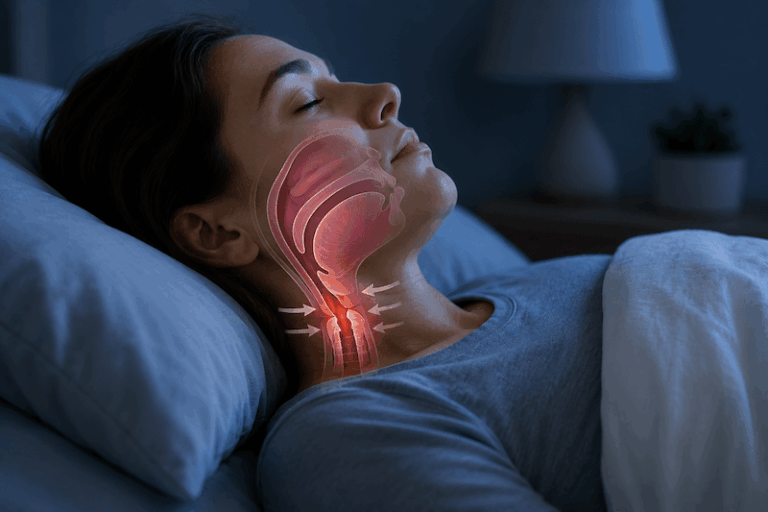
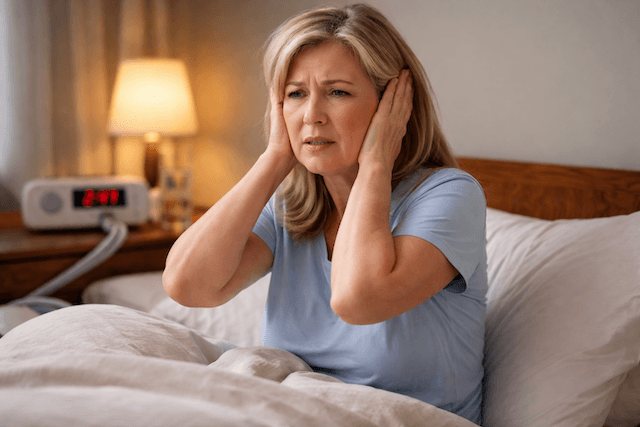
Snoring and a blocked nose tend to arrive together, and there’s a straightforward reason for that. Your nose is built to be your primary breathing route. It filters, warms, and humidifies the air before it reaches your lungs. When something blocks that route, whether it’s a cold, allergies, dry air, or a structural issue, you shift to mouth breathing without necessarily noticing you’ve done it. That shift changes the way air moves past the soft tissue at the back of your throat, and the vibration of that tissue is what produces the sound of snoring. The more restricted the airflow, the harder the tissue vibrates, and the louder the snore.
I have severe obstructive sleep apnea, diagnosed more than a decade ago, and I write about CPAP therapy and sleep health from that experience. I’m not a doctor. My background is in computer science, not medicine, so everything here reflects what I’ve learned as a patient for more than a decade and from reputable sources, not clinical training. If snoring is a symptom you’re trying to manage on its own, most of what follows will help. If it turns out to be one symptom among several pointing toward sleep apnea, that’s a different conversation, and I’ll get to how to tell the difference further down.
Why a Blocked Nose Causes Snoring
Nasal obstruction narrows the space air has to travel through, which increases resistance. Increased resistance makes the soft palate and surrounding tissue more likely to flutter as air passes, and that flutter is the sound you or your partner is hearing. This is true whether the obstruction is temporary, like a cold, or chronic, like a deviated septum.
There’s also a secondary effect that makes congestion-driven snoring worse than people expect. Once you switch from nose breathing to mouth breathing, your mouth tends to fall open further as you settle deeper into sleep. An open mouth changes the position of the jaw and tongue, and a tongue that’s fallen further back narrows the airway even more than the congestion alone would. So a partially blocked nose doesn’t just add a bit of extra noise. It can set off a chain of changes in airway position that compounds the problem well beyond what the congestion itself would predict. This is part of why treating the nasal congestion often produces a bigger improvement in snoring than people anticipate going in.
I had my septum corrected surgically before my sleep apnea diagnosis. The deviation had caused years of chronic partial congestion, and the surgery improved my daytime nasal breathing considerably. It did not, on its own, resolve my snoring because the sleep apnea turned out to be doing most of the work there. That’s worth keeping in mind: nasal issues and sleep apnea often overlap, and fixing one doesn’t guarantee the other resolves too. I’ve written separately about the relationship between a deviated septum and sleep apnea if that distinction matters for your situation.
Identifying What’s Actually Blocking Your Nose
The right fix depends on the cause, so it’s worth taking a moment to work out which of these fits your situation before reaching for a solution.
Seasonal or environmental allergies tend to track with pollen counts, specific seasons, or specific environments. If your congestion eases when you’re away from home or worsens predictably at certain times of year, allergies are the likely driver.
A cold or upper respiratory infection is usually more acute, comes with other symptoms like a sore throat or fatigue, and resolves within a week or two on its own.
Dry air is easy to underestimate. When the air in your bedroom is dry, particularly with heating running through winter, your nasal tissue dries out and swells in response, which narrows the airway further.
Structural issues, most commonly a deviated septum, cause a baseline level of congestion that’s present regardless of season or illness and tends to get worse whenever anything else irritates the nasal passages on top of it.
Knowing which of these applies matters because the fixes are different. Allergy management looks nothing like waiting out a cold, and neither looks like addressing dry bedroom air. It’s also worth noting that more than one of these can be happening at once. Someone with a mild structural narrowing from a deviated septum might sail through most of the year without much trouble, then find that seasonal allergies push them over a threshold where snoring becomes noticeable or severe. In that case, treating the allergies might be enough even though the septum issue never fully goes away. Working out which factor is doing the most damage right now, rather than assuming there’s a single fixed cause, tends to produce better results than treating everything at once.
Practical Fixes for Congestion-Driven Snoring
Add moisture to the air. Dry air is one of the more fixable contributors to nighttime congestion. A humidifier in the bedroom adds moisture back into the air, which helps keep nasal tissue from drying out and swelling. This is a low-cost, low-effort change and one of the more consistently recommended fixes from sleep health sources for anyone in a dry climate or running heating overnight. Aim for indoor humidity somewhere in the range most health authorities recommend for general comfort and respiratory health, and clean the humidifier regularly, since a neglected humidifier can become its own source of airborne irritants rather than a solution.
Try nasal strips for mild to moderate congestion. These adhesive strips sit across the bridge of the nose and mechanically pull the nostrils open from the outside, which increases the space air has to move through. The evidence on how well they work is genuinely mixed. According to the Sleep Foundation, some people report less snoring while using them, but research has not consistently shown that nasal strips meaningfully stop or reduce snoring on their own, and results seem to depend heavily on the individual and the underlying cause of the congestion. The upside is that side effects are minimal, so for congestion driven snoring specifically, they’re a low risk thing to try. For proper use, apply the strip about thirty minutes before bed on clean, dry skin, and place it across the widest part of the nose. They won’t help with a completely blocked nose or with snoring that isn’t nasal in origin.
Use saline rinses during allergy season or a cold. A saline rinse flushes mucus, allergens, and irritants out of the nasal passages, using either a squeeze bottle or a neti pot-style device. Use distilled or previously boiled and cooled water rather than tap water, since tap water in some regions has carried rare but serious infection risks when used nasally, and this is one of those areas where cutting corners on water quality isn’t worth the small convenience it saves. Doing this roughly an hour before bed rather than immediately before lying down avoids the awkward few minutes of drainage that follow. Some people find a rinse once a day is enough during allergy season, while a cold might call for it more often over a few days while symptoms are at their worst.
A hot shower before bed loosens mucus and reduces swelling through steam, and the effect typically lasts a few hours, which covers the part of the night when snoring tends to be worst as you first fall asleep. A bowl of hot water and a towel over your head produces a similar effect if a full shower isn’t practical.
Sleep on your side rather than your back. Back sleeping lets gravity pull the tongue and soft tissue backward, which narrows the airway further on top of whatever nasal congestion you already have. Side sleeping keeps things more open. Some people use a body pillow to stay on their side through the night, and some use the old trick of sewing a tennis ball into the back of a sleep shirt to make back sleeping uncomfortable enough to avoid. I’ve written more on side sleeping and positional habits for sleep apnea if you want more detail on this approach.
Manage allergies at the source rather than nightly symptom control. Washing bedding weekly in hot water, using allergen-proof covers on the mattress and pillows, and keeping pets out of the bedroom if pet dander is a known trigger all reduce the amount of allergens you’re breathing overnight. A HEPA air purifier in the bedroom can meaningfully cut down on airborne pollen and dust as well. Keeping windows closed during high pollen periods, showering before bed to rinse pollen out of your hair, and changing out of clothes worn outdoors before getting into bed are smaller habits that add up, particularly during the weeks of the year when your specific triggers are at their worst.
See a doctor if over the counter options aren’t enough. Over-the-counter antihistamines handle mild seasonal allergies reasonably well. If yours are more significant, a doctor or allergist can identify exactly what you’re reacting to and prescribe nasal steroid sprays, which are generally more effective at reducing nasal inflammation than anything available without a prescription.
If You Already Use CPAP
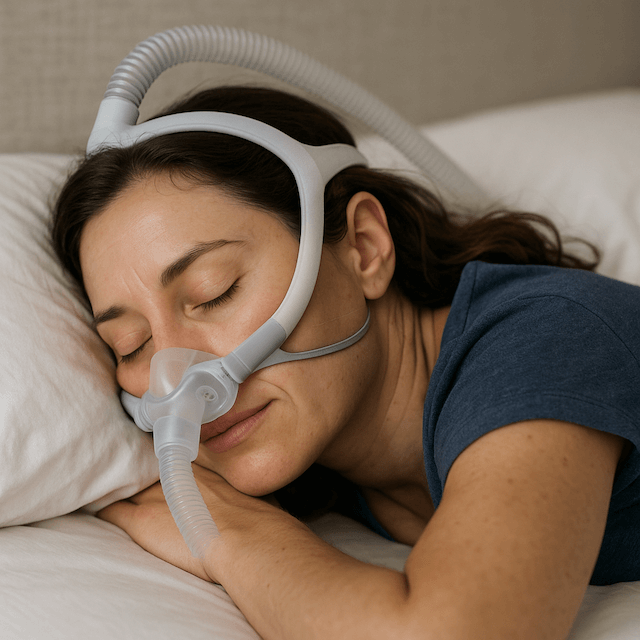
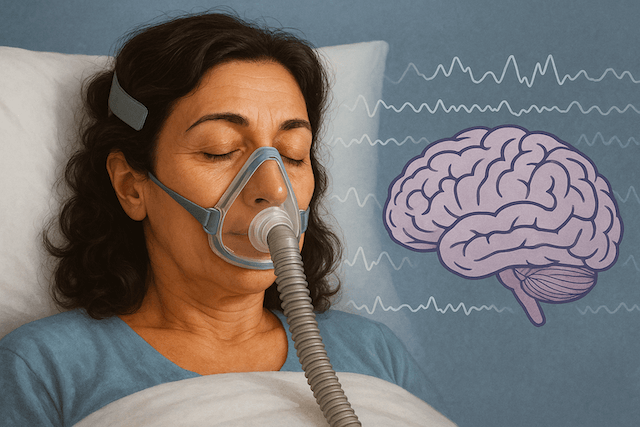
Nasal congestion and CPAP therapy interact in a few specific ways worth knowing about. Turning up the humidifier setting on your machine when you’re congested helps keep the nasal passages from drying out further under pressure. A saline rinse before putting the mask on can clear things out beforehand. And if congestion is bad enough that nasal breathing feels genuinely difficult, a full face mask that covers both the nose and mouth means therapy can continue even on nights when you end up breathing primarily through your mouth. That’s the setup I use, since I’m a chronic mouth breather myself, and it’s given me flexibility on nights when my nose isn’t cooperating. I’ve covered mask options for mouth breathers in more detail in this comparison of nasal and full face masks.
Some people also notice that CPAP pressure itself seems to worsen nasal congestion, sometimes called rhinitis related to the airflow. This usually settles as your body adjusts and with proper humidification. If it doesn’t, it’s worth raising with your sleep clinic, since a different mask setup or pressure adjustment can often help.
When It’s More Than a Stuffy Nose
This is the part I’d most want someone to read if they’ve landed on this page. Congestion driven snoring and obstructive sleep apnea frequently coexist, and it’s easy to fix the congestion, notice the snoring quiet down a bit, and assume the underlying problem is solved when it isn’t.
The signs that point toward something beyond simple nasal congestion include snoring that continues even when your nose is clear, waking up feeling unrefreshed no matter how many hours you slept, morning headaches, a partner noticing pauses in your breathing or gasping during sleep, and daytime tiredness that doesn’t match the amount of sleep you’re getting. I had several of these symptoms myself for years before I connected them to sleep apnea rather than something else.
If nasal fixes resolve the snoring, that’s likely all it was. If they help but snoring persists, or if any of those symptoms sound familiar, an at home sleep test is a reasonable next step to bring up with your doctor, and it’s far less involved than most people expect.
The Short Version
Add moisture to dry bedroom air, try a nasal strip if your congestion is mild to moderate, use saline rinses during allergy season, take a hot shower before bed, and sleep on your side rather than your back. If allergies are your main trigger, treat them at the source rather than managing symptoms every night. Those changes, applied consistently, resolve congestion-driven snoring for most people. Everything else, air purifiers, allergen covers, steam treatments, is refinement on top of that foundation.
If snoring continues despite a genuinely clear nose, take that seriously and get it checked out. It’s a more useful piece of information than it might seem.
⚠️ MEDICAL DISCLAIMER This blog provides general information only and is not a substitute for professional medical advice, diagnosis, or treatment. Sleep apnea is a serious condition, and CPAP equipment should be used under proper medical supervision. Always consult your doctor or sleep specialist before starting, stopping, or changing any therapy. I share personal experiences as a CPAP user, not as a medical professional. Individual results vary. For medical guidance, please consult a qualified clinician or the American Academy of Sleep Medicine (aasm.org).