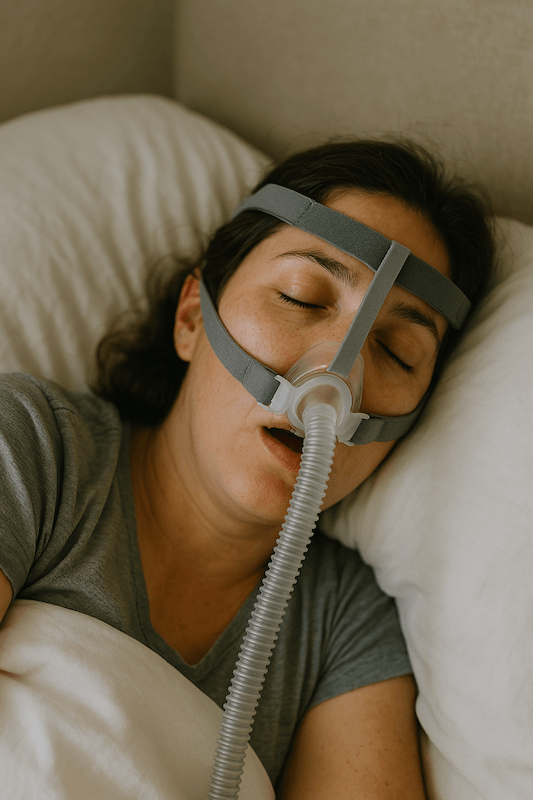
CPAP Pulling Out Hair? Here’s How to Prevent It

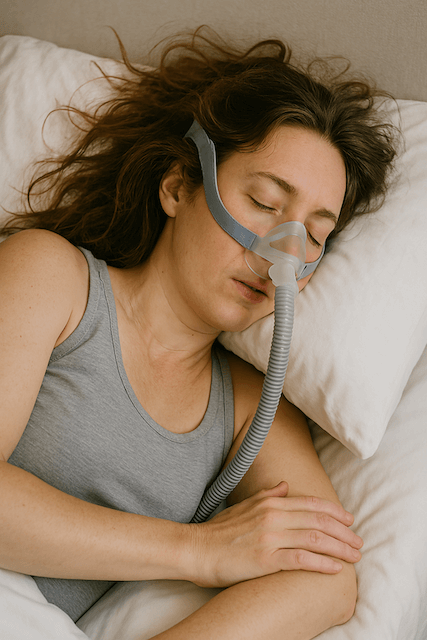
Few CPAP problems get talked about less in the doctor’s office and more in private CPAP groups than this one. You wake up to find strands of hair tangled in your headgear, snagged in Velcro, or worse, breaking off around your hairline. If you have medium or long hair, this is a real and frustrating side of CPAP therapy that almost no one warns you about before you start.
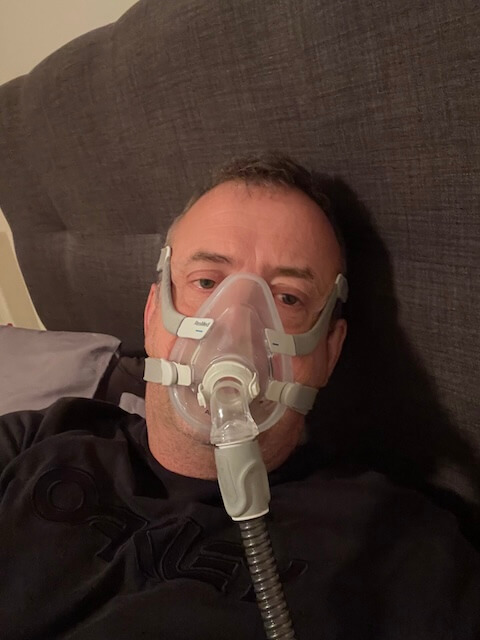
I have short hair myself, so the strands-on-the-pillow problem isn’t mine to live with. But I’ve been on CPAP therapy for the better part of a decade, I sleep in a ResMed AirFit F20 full face mask every night, and I spend a lot of time inside the CPAP community. Hair pulling and breakage comes up constantly, particularly from women, men with longer hair, and anyone whose mask straps cross the same patch of scalp night after night. The good news is that most of the damage is preventable. The fixes are usually cheap, and they don’t compromise your therapy.
This guide walks through why CPAP headgear ends up pulling at your hair, what actually helps, and the accessories that CPAP users with longer hair keep coming back to.
Why CPAP Pulls Hair in the First Place
A CPAP mask is held to your face by a network of straps that sit across the back of your head, around the crown, and sometimes under or above the ears. That hardware does an important job. It keeps the seal tight enough that pressurized air can hold your airway open through the night. It also spends six to eight hours pressing against, gripping, and shifting across your hair.
The most common reasons hair gets damaged by CPAP fall into a handful of buckets. Beginners almost universally overtighten their straps, usually because of a leak somewhere they can’t quite trace, which puts steady tension on the scalp. Most headgear is made from neoprene, nylon, or polyester blends, and those fabrics create more friction against hair than smoother materials. Velcro tabs are the single worst offender for visible breakage. They pinch and tear strands every time you adjust a strap, and many users adjust dozens of times a week without noticing. Mask styles that sit low on the forehead can press directly onto the hairline, where hair tends to be finer and more vulnerable to thinning. And the simple act of moving in your sleep, especially if you’re a side sleeper, drags your hair against the same fabric over and over.
None of this means you have a problem with the therapy itself. The Mayo Clinic notes that proper mask fit is one of the strongest predictors of long term CPAP success, and that issues like skin irritation can usually be addressed with mask liners and small adjustments rather than abandoning therapy. The same logic applies to hair. There are practical fixes for almost every cause on the list above.
How to Stop CPAP From Pulling Out Hair
1. Wear a Satin Sleep Cap or CPAP Hat

The single most popular fix in the CPAP community is also one of the cheapest. A satin or silk sleep cap creates a smooth barrier between your hair and your mask straps. It cuts friction dramatically, keeps strands tucked away from Velcro, and reduces the amount of tugging you feel when the mask shifts.
You’ll see two main styles online. A standard satin sleep cap fits the whole head and tucks under most CPAP headgear without changing how the mask sits. A more structured CPAP-friendly sleep cap is designed with the headgear in mind and fits more snugly for users who want a less feminine look.
A few options to look at:
The reports from people who use them are remarkably consistent. Hair stays smoother. Velcro doesn’t catch. Mornings stop starting with a tangle.
2. Add Strap Covers to Your Headgear
Strap covers are soft fabric sleeves that slip over the existing straps on your mask. They serve two purposes. First, they put a softer material between the strap and your hair, which cuts friction and prevents Velcro snagging. Second, they reduce the deep pressure marks that full face mask wearers tend to wake up with on their cheeks and forehead.
Most are made from fleece or cotton, and most are machine washable. I’ve put together a more detailed look at the options, including which ones fit ResMed and Philips headgear styles, in my guide to the best CPAP strap covers.
If your mask is the source of facial irritation as well as hair issues, fabric strap covers can be an easy win on both fronts.
3. Switch Your Pillowcase to Satin or Silk
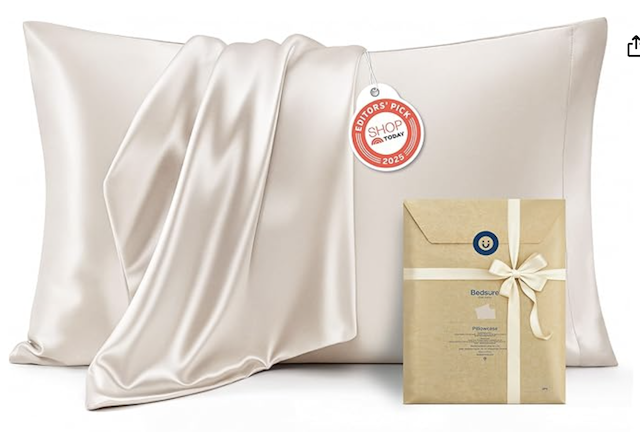
This change has nothing to do with your mask, but it makes a noticeable difference for anyone whose hair is already taking abuse from CPAP straps. Cotton pillowcases create friction every time you turn your head. Over a full night of side sleeping, that friction adds up to broken ends and a lot of frizz. A satin or silk pillowcase essentially lets your hair slide rather than catch.
A silk pillowcase like this one is one of those upgrades that even people who don’t use CPAP tend to fall in love with. It’s also kind to your skin if you wake up with mask lines on your cheeks.
4. Manage Long Hair Before Bed
If you have long hair, leaving it loose under your headgear is the worst case. Every shift of the mask drags strands against Velcro and fabric. There are gentler ways to keep hair under control overnight without creating a different kind of breakage.
A loose braid keeps hair in one direction and out of the strap area. A silk scrunchie at the base of a low ponytail holds hair without the elastic tension that gives you stress damage at the band line. A bonnet, like this silk hair bonnet, tucks everything away inside a smooth surface that the headgear can sit on top of without touching strands directly.
What you want to avoid is a tight, high ponytail or a bun secured with a regular elastic. Those create their own breakage at the tie, and they often interfere with how the mask seats on the back of the head.
5. Stop Overtightening Your Mask
A CPAP mask should be snug, not clamped. When users feel a leak, their first instinct is almost always to crank the straps tighter. That usually makes the leak worse, not better. It also puts a steady pull on every hair the strap touches.
The Sleep Foundation makes the point that a properly fitted mask should feel comfortable being a bit loose and shouldn’t shift when you turn your head. If yours doesn’t pass that test at a reasonable strap tension, the issue is usually the mask itself, the cushion, or the headgear, not how hard you can pull the Velcro.
If leaks are forcing you to overtighten, it’s worth troubleshooting the underlying cause rather than fighting it with strap tension. I’ve covered the main reasons masks leak, and how to fix them, in my guide to CPAP mask leaks.
6. Tame the Velcro
Velcro is the sneakiest cause of broken hair on this list because the damage is so subtle. You don’t feel a single strand catch and snap. You just see a little fluff of hair stuck to the hook side of the tab when you take the mask off in the morning.
A few things help. Trim any frayed or rough edges with scissors. Cover the hook side with a small piece of fabric tape if you can do so without affecting how the strap secures. Or, easiest of all, use Velcro strap protectors designed to slip over CPAP tabs and stop them from making contact with hair at all.
7. Use Mask Liners to Reduce Daily Friction
Mask liners aren’t strictly a hair fix, but they’re worth mentioning because they reduce the amount of strap-tightening some users do to chase a seal. Liners create a fabric barrier between the cushion and your skin, which can improve comfort and protect against irritation. With a better seal at lower strap tension, you have less reason to pull everything tight, which in turn means less pull on your hair.
I’ve reviewed the options I’ve come across in my guide to the best CPAP mask liners.
Mask Choice Matters More Than People Realize
Most of what I’ve covered so far is about working around the hardware. But the hardware itself isn’t fixed. Different mask styles put very different amounts of fabric on your scalp, and that’s a meaningful conversation to have if hair issues are persistent.
A nasal pillow mask uses the lightest headgear of any style and contacts the smallest area of your head. For users with long hair who have flexibility in mask choice, nasal pillows are the kindest to hair by a wide margin. The trade off is that they only work for nose breathers and can be harder to seal at higher pressure settings.
A nasal mask sits in the middle, with more straps than a nasal pillow but less coverage than a full face mask.
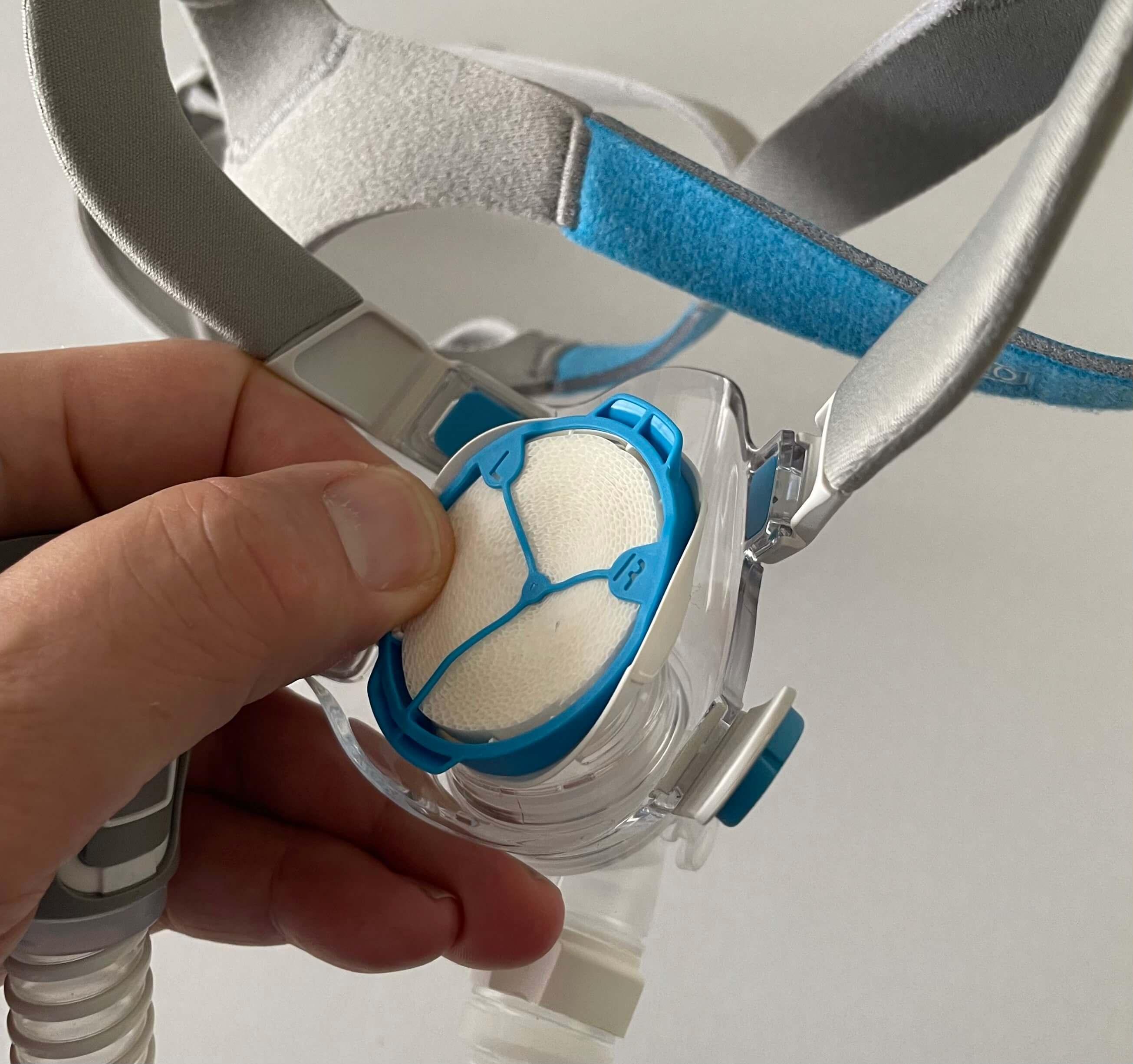
A full face mask, like the ResMed AirFit F20 I use myself, is the most strap heavy option. It has to be, because it’s holding pressurized air over both your nose and mouth. Mouth breathers and people on higher pressures usually need this style. If that’s you, the strap-related fixes in this guide will matter more than for anyone else, because the headgear simply has more contact with your hair.
If you’re not sure what style you actually need, my guide to CPAP mask types walks through the differences in detail. There’s also a dedicated overview of nasal masks, and a guide aimed at women, who tend to face the worst of the hair issues.
For mouth breathers like me, switching out of a full face mask isn’t really an option, but a smarter full face fit can help. My review of the ResMed AirFit F20 covers what to expect from that specific mask, including how its headgear sits.
What to Do If CPAP Has Already Damaged Your Hair
If you’re reading this after a few months of breakage and you’re worried about thinning along the hairline or visible patches behind the ears, the encouraging news is that CPAP-related hair damage is almost always mechanical. It’s not a hormonal or systemic issue. Once the pulling and friction stop, hair generally recovers.
A few things help that recovery along. Switch to sulfate free shampoo and a gentle conditioner if you haven’t already. A leave-in conditioner adds slip and reduces overnight friction. Take a break from tight daytime hairstyles like high ponytails or buns, especially in the same spots your CPAP straps sit at night, so the same patches of scalp aren’t under tension twenty-four hours a day. And see a dermatologist if you have visible thinning that doesn’t improve after a couple of months of changes. Hair loss can have other causes, and it’s worth ruling them out properly.
I’m not a doctor, and this article isn’t medical advice. If you’re concerned about hair loss or scalp health, talk to someone qualified.
CPAP and Hair: Common Questions
Will CPAP cause permanent hair loss? For the vast majority of users, no. The damage from headgear is breakage and traction, not the kind of follicle damage that causes permanent loss. Once the pulling stops, hair grows back. If you have ongoing thinning that doesn’t respond to the changes in this guide, see a dermatologist to rule out other causes.
Is a satin sleep cap better than strap covers? They solve overlapping but different problems. A sleep cap protects your entire head, which matters if your hair is long enough that strands are caught up in the mask straps from multiple directions. Strap covers only soften the straps themselves. Many users with long hair use both.
Can I just wear a regular cotton cap? You can, but cotton fabric has more friction against hair than satin or silk. You’ll get some protection from snagging, but you’ll still see breakage from rubbing. If you’re going to add a cap, satin or silk is worth the small upgrade in cost.
Which CPAP mask is most hair friendly? Nasal pillow masks have the lightest headgear and the smallest scalp footprint. The ResMed AirFit P10 is one of the most popular options. They aren’t right for everyone, especially mouth breathers and people on high pressure settings, but if your therapy works with one, they create the fewest hair issues.
Do CPAP hats and satin sleep caps actually work? Yes. They’re consistently the most recommended fix in CPAP communities for users with longer hair, and they cost less than a single mask cushion replacement.
Should I tell my sleep doctor about hair issues? If hair pulling is making you skip nights of CPAP, absolutely. Skipping therapy is a far bigger health issue than the breakage itself, and a sleep specialist may be able to refit your mask, suggest a different style, or look at adjusting pressure to take the edge off the strap tension you need.
Final Thoughts
Hair pulling shouldn’t be the reason you give up on CPAP therapy. It’s a fixable problem, and the fixes are mostly inexpensive, easy, and reversible. A satin sleep cap, a set of strap covers, a silk pillowcase, and a less aggressive grip on the Velcro will solve most of what people run into.
For users with longer hair who haven’t yet found the right combination, the best place to start is usually the cheapest. Try a sleep cap first. If you’re still seeing snagged strands at the temples, add strap covers. If your skin is also taking a beating, look at mask liners. And if all of that isn’t enough, the conversation might need to move to mask choice itself, which is worth raising with your sleep specialist.
If you want to keep going on the equipment side, my roundup of the best CPAP masks is a good next stop, particularly if a different style might solve the friction problem at the source.
⚠️ MEDICAL DISCLAIMER This blog provides general information only and is not a substitute for professional medical advice, diagnosis, or treatment. Sleep apnea is a serious condition, and CPAP equipment should be used under proper medical supervision. Always consult your doctor or sleep specialist before starting, stopping, or changing any therapy. I share personal experiences as a CPAP user, not as a medical professional. Individual results vary. For medical guidance, please consult a qualified clinician or the American Academy of Sleep Medicine (aasm.org).