Best CPAP Strap Covers: Comfort, Protection for Every Sleeper

“This post contains affiliate links. I may earn a commission if you buy through these links at no extra cost to you. Read my Disclaimer for more details.”
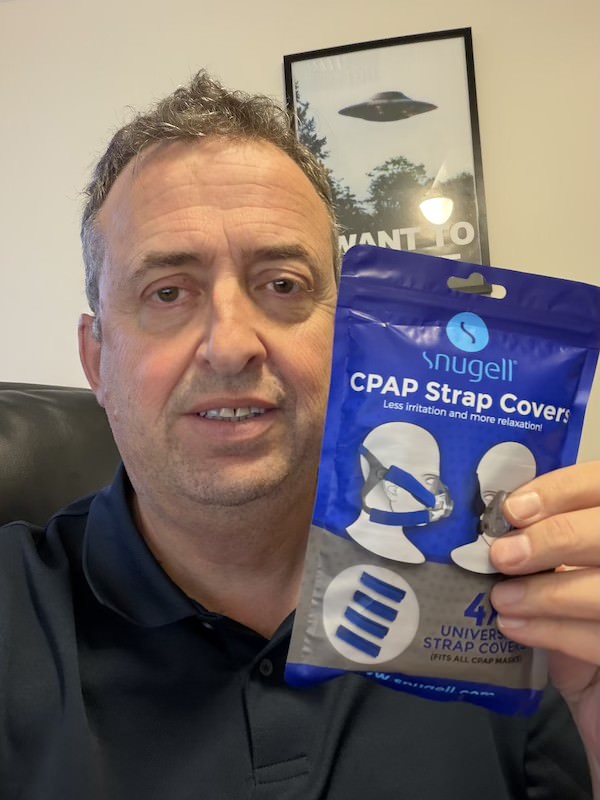
I am a full-face mask user, and I wear mine every single night. After more than a decade of nightly CPAP therapy, I can tell you that the straps do a number on your face. Every morning I used to wake up with red pressure marks running across my cheeks and forehead, deep enough that they were still visible an hour later. I started moisturizing them in the morning, which helped a little, but it did not fix the underlying problem.
The underlying problem is friction and pressure against bare skin, night after night. That is what strap covers address. I eventually found a pair that genuinely works for me, and that is what this page is about.
I am not a doctor or a sleep clinician. I am a computer scientist who was diagnosed with severe obstructive sleep apnea more than a decade ago and has been using a CPAP machine every night since. Everything I write here comes from patient experience, not medical authority.
Why CPAP Strap Marks Happen
CPAP masks work by maintaining a seal against your face throughout the night. To do that, the headgear has to stay snug. For most people, that means a moderate amount of pressure sitting on the cheeks, temples, forehead, or the back of the head, depending on the mask style.
If you use a full face mask like I do, the headgear typically runs across your cheeks and over the top of your head. Full face masks generally require a tighter fit than nasal or nasal pillow masks because they cover a larger surface area and need to hold a seal around both the nose and mouth. That added pressure is part of why full face mask users are especially prone to strap marks.
Over time, the nightly repetition compounds the problem. Your skin adapts a little, but the marks often become a predictable part of the morning routine. If you have had people comment on the lines on your face at work or school, you know what I mean.
There are a few different ways to address this, which I will cover below. But if you have already tried adjusting your fit, experimenting with your sleeping position, or using a mask liner and still waking up with marks, strap covers are worth a serious look.
What CPAP Strap Covers Actually Do
Strap covers are fabric sleeves that slide over the headgear straps on your CPAP mask. They add a layer of soft material between the strap and your skin, which reduces the direct pressure and friction that cause marks. They also absorb some of the moisture that builds up during the night, which can help with skin irritation.
The concept is simple. The difference in how they feel is not.
Without covers, the silicone or fabric straps sit directly against your face and hair. With covers, there is a soft buffer. The strap still does its job of holding the mask in position, but your skin is no longer bearing the full brunt of that contact all night.
They are not going to fix a mask that does not fit correctly. If your seal is poor and you are overtightening to compensate, covers will reduce the marks but the root problem is still the fit. Worth checking your mask fit first if marks are severe. I cover that in more detail in my guide to preventing CPAP mask lines.
My Pick: Snugell CPAP Strap Covers
I use Snugell strap covers on my ResMed AirFit F20, and they are the only ones I have kept using long term. Here is what I actually like about them.
They eliminated my morning strap marks. That was the whole point, and they delivered. I still moisturize as part of my morning routine out of habit, but the marks that used to be deep and obvious are gone. The difference was noticeable within the first few nights.
They do not irritate my skin. I have sensitive skin around my cheeks and forehead from years of mask use. Some covers I tried in the past felt scratchy or left their own kind of impression. Snugell covers are soft enough that I genuinely forget they are there.
They are easy to clean. I wash my mask cushion daily with soap and water. The strap covers can go through a similar process without degrading. They hold up well to regular washing, which matters when you are cleaning CPAP equipment as frequently as you should be. If you want more detail on my full routine, I have written about how to clean a CPAP machine properly.
They are universal fit. Snugell covers are not made specifically for the AirFit F20. They are designed to fit a wide range of CPAP headgear straps, so if you switch masks at some point they should work with your new setup as well.
The affiliate link for Snugell is below. I only recommend products I actually use.
Who Benefits Most From Strap Covers
Not everyone needs strap covers. If you are using a nasal pillow mask with minimal headgear contact, your marks are probably mild or nonexistent. But certain situations make strap covers worth trying.
Full face mask users are the obvious candidate. The headgear on most full face masks is more substantial than on nasal or nasal pillow styles, and the straps cross more of the face.
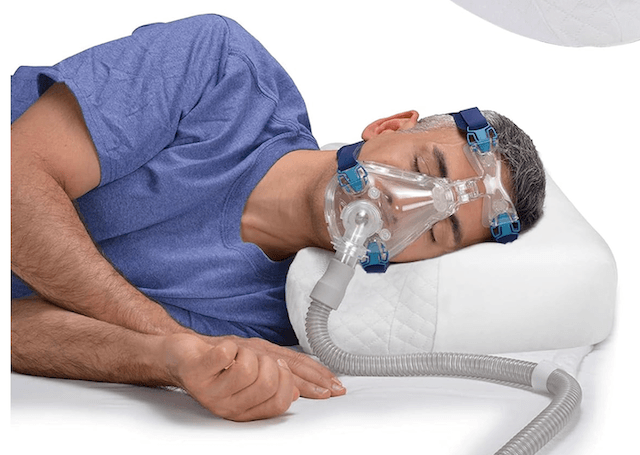
Side sleepers are another group who tend to benefit. When you sleep on your side, your face is pressing into the pillow and the strap on that side bears more compression than it does when you are on your back. The result is more pronounced marks on whichever side you favor.
People with sensitive skin or who experience redness and irritation from the straps themselves are a natural fit. The soft fabric layer removes the direct contact that causes that kind of reaction.
And anyone who needs to look presentable in the morning, whether for work, family, or just personal preference, and finds the marks take too long to fade will get real value from a simple solution that costs very little.
How to Use CPAP Strap Covers
Setup is straightforward. You slide the covers over the headgear straps before putting the mask on. Most covers are fabric tubes open at both ends, so you thread the strap through and position the cover where it contacts your skin.
A few practical notes:
Make sure the cover is fully seated before you put the mask on. If it bunches or slides during the night, you lose some of the benefit and the cover can actually create its own pressure point.
Wash the covers regularly. They absorb skin oils, sweat, and any product residue from your face throughout the night. If you are washing your mask cushion daily, washing the covers a few times a week is reasonable. They should be fully dry before use.
Check that the cover is not adding so much bulk that it changes how the headgear fits or affects your seal. For most people this is not an issue, but it is worth checking when you first try them.
Related Approaches for Managing Strap Marks
Strap covers solve one part of the problem. Depending on how severe your marks are and what is causing them, you may get better results combining covers with other approaches.
Mask liners address the cushion side of the seal rather than the strap side. They sit between the silicone cushion and your face, which can help with both comfort and seal quality. I have a full breakdown of the best CPAP mask liners if that is relevant to your situation.
Sleeping position has a real effect on mark severity. Sleeping on your back reduces compression on the cheek straps, though it is not always comfortable or practical. There is more detail on this in the guide to sleep positions and strap marks.
Moisturizing does not prevent marks but does help the skin recover faster in the morning. A light moisturizer without added fragrance applied to the marks after removing your mask can shorten how long they are visible.
Fit adjustment is worth revisiting periodically. Mask cushions wear out over time, and a worn cushion can lead to overtightening to maintain the seal. If you find yourself pulling the headgear tighter than you used to, check whether the cushion needs replacing. The AirFit F20 review covers cushion replacement in more detail for F20 users.
What to Look For in CPAP Strap Covers
If you are comparing options, these are the things that actually matter.
Material softness is the most important factor. The whole point is reducing irritation, so a scratchy fabric defeats the purpose. Look for covers made from cotton, bamboo, or similarly soft fabrics. Avoid anything with a rough texture or that feels stiff out of the package.
Width compatibility matters if your headgear straps are on the narrower or wider end. Most universal covers handle a reasonable range, but it is worth checking the product dimensions against your headgear if you have an unusual mask.
Washing durability is something that is hard to assess before buying. Covers that pill, shrink, or lose their shape after a few washes are not worth the money, since you will be cleaning them frequently. Reading reviews specifically about longevity is more useful than reviews about initial comfort.
Length is occasionally an issue. Some covers are designed for specific strap sections and may not cover the full length of your headgear where it contacts your face. Universal covers tend to be long enough to work with most setups, but check before ordering if you have a longer run of strap across your face.
How They Fit Into a Broader CPAP Comfort Routine
After more than a decade of nightly use, I think about CPAP comfort as a stack of small decisions that add up. No single thing solves every problem, but the right combination of mask fit, cleaning routine, accessories, and sleep position can make therapy genuinely comfortable rather than something you tolerate.
Strap covers are a small, inexpensive piece of that stack. They are not a substitute for a mask that fits well or a good cleaning routine. But if you have those things sorted and you are still waking up with marks, they are the most direct fix available.
Consistent nightly use is one of the most important factors in getting real benefit from CPAP therapy. Discomfort is one of the most common reasons people skip nights or quit therapy altogether, and skin irritation from straps is part of that equation. The American Academy of Sleep Medicine has published extensively on CPAP adherence and the barriers that get in the way. Removing a physical irritant that makes the mask unpleasant to wear is a practical step toward staying consistent. I have written about the broader topic of CPAP compliance and what actually helps people stick with therapy long term if that is something you are working on.
For me, Snugell covers solved a problem I had lived with for years. They are easy to use, easy to clean, and they work. That is enough.
If you are still working on finding the right mask to begin with, the best CPAP mask guide is a good place to start. And for a broader look at how different headgear designs affect strap placement and mark severity, the CPAP mask types overview gives useful context.
⚠️ MEDICAL DISCLAIMER This blog provides general information only and is not a substitute for professional medical advice, diagnosis, or treatment. Sleep apnea is a serious condition, and CPAP equipment should be used under proper medical supervision. Always consult your doctor or sleep specialist before starting, stopping, or changing any therapy. I share personal experiences as a CPAP user, not as a medical professional. Individual results vary. For medical guidance, please consult a qualified clinician or the American Academy of Sleep Medicine (aasm.org).