Can Enlarged Tonsils Cause Snoring?


The short answer is yes, and it’s more common than most people realise.
Enlarged tonsils are among the more straightforward causes of snoring and, in more severe cases, obstructive sleep apnea, precisely because the mechanism is purely structural. The airway is narrowed by tissue that’s physically too large for the space it occupies. When you sleep and your throat muscles relax, the narrowing worsens, and the vibration of air moving through a restricted passage produces the snoring sound.
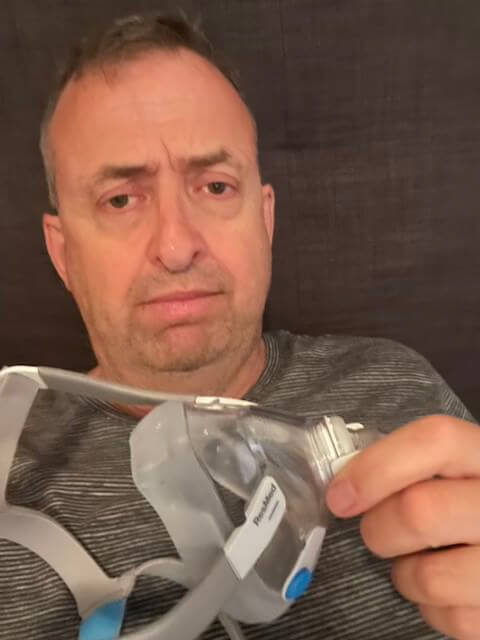
I’ve spent a lot of time understanding airway anatomy since my own sleep apnea diagnosis, partly out of curiosity and partly because understanding what was happening physically helped me make sense of my treatment. My issues were primarily with airway collapse during sleep and a deviated septum, not tonsil size, but the underlying principle is the same: anything that reduces the available space for airflow during sleep creates the conditions for snoring and potentially for apnea.
What the Tonsils Are Actually Doing
The tonsils are two masses of lymphoid tissue sitting at the back of the throat, one on each side. Their job is immunological: they catch and respond to pathogens entering through the mouth and nose, particularly in childhood when the immune system is still developing. In adults they’re less critical for immunity, which is why their removal doesn’t create significant long-term health problems.
The issue with tonsil size is that the throat isn’t a spacious area to begin with. The back of the throat needs to accommodate breathing, swallowing, and speaking while also housing the soft palate, uvula, tongue base and tonsils. When the tonsils are enlarged, they take up space that airflow needs. During waking hours this is manageable because the throat muscles are active and help maintain a reasonable passage. During sleep, when those muscles relax, the passage narrows further and the tonsils have proportionally more impact on airflow.
Grading scales used by ENT specialists classify tonsil size from one to four, with grade one being mostly hidden behind the tonsil pillars and grade four being what clinicians sometimes describe as “kissing tonsils,” where the two sides meet or nearly meet in the midline. Grades three and four are reliably associated with snoring and sleep-disordered breathing.
Why Tonsils Enlarge
Tonsils become enlarged for several reasons, and the cause matters because it affects whether the enlargement is permanent or potentially reversible.
Chronic or recurrent infection is probably the most familiar cause. Repeated bouts of tonsillitis cause scarring and fibrosis over time, and tonsils that have been through multiple infections tend to remain larger than normal even between episodes. Someone who’s had frequent strep throat infections through childhood often ends up with persistently enlarged tonsils by the time they reach adulthood.
Some people simply have naturally larger tonsils as a constitutional characteristic. This is genetic and unrelated to infection history. These individuals may never have had significant tonsil problems as children but find that snoring develops or worsens as adults, particularly when other factors like weight gain or age-related muscle relaxation compound the anatomical narrowing.
Allergies contribute by causing chronic inflammation throughout the upper airway, including the tonsils and adenoids. If allergic rhinitis is poorly controlled, the resulting persistent inflammation can keep the tonsils in a chronically swollen state. Managing the allergy sometimes reduces tonsil swelling meaningfully, particularly if the enlargement is primarily inflammatory rather than structural.
The Connection to Sleep Apnea
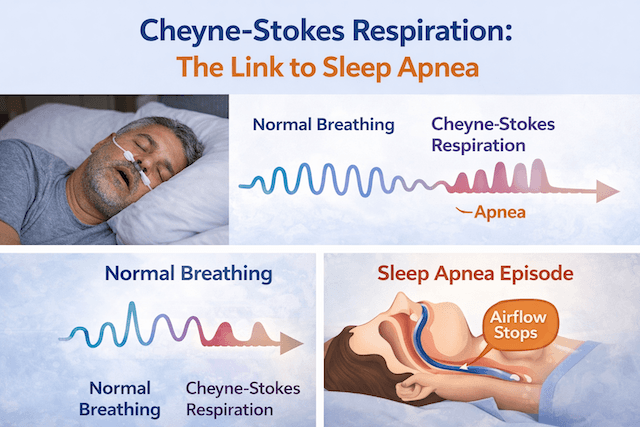
Enlarged tonsils and sleep apnea sit on a spectrum. At the milder end, large tonsils cause snoring without significant oxygen desaturation or sleep fragmentation. Further along the spectrum, the obstruction they create is severe enough to cause complete or near-complete airway collapse during sleep, producing apnea events with the associated oxygen drops and sleep disruption.
Research consistently shows that tonsillectomy resolves sleep apnea in the majority of children whose OSA is primarily caused by adenotonsillar enlargement. In adults the picture is somewhat less clear-cut because adult sleep apnea often has multiple contributing factors including weight, anatomy and muscle tone, but for adults whose enlarged tonsils are a primary driver of airway obstruction, surgical removal produces meaningful improvement in a significant proportion of cases.
The important point is that you cannot reliably tell from snoring alone whether tonsil size is the main issue, a contributing factor, or incidental. Someone can have large tonsils and also have sleep apnea driven primarily by other factors. Assuming the tonsils are the whole story without a proper assessment risks missing the actual diagnosis.
Signs That Your Tonsils Might Be Involved
Some clues point toward tonsil size as a contributor to snoring or breathing difficulties during sleep, though none of these are definitive on their own.
Difficulty swallowing, particularly with larger pieces of food, can indicate that the tonsils are occupying significant space at the back of the throat. A muffled or slightly nasal quality to your voice even when you don’t have a cold is another indicator. Waking with a persistently dry or sore throat, especially combined with mouth breathing during sleep, suggests upper airway obstruction. And if someone sharing your bed has noticed that your snoring is particularly loud or that you appear to stop breathing briefly, those are symptoms worth taking seriously regardless of cause.
The self-examination approach of looking in a mirror with a torch is rough and ready but not entirely useless. If your tonsils are visibly large when you open your mouth wide, large enough to be easily visible from across the room or appearing to nearly touch in the midline, that’s worth mentioning to a doctor. If you can barely see them, tonsil size is probably not the main story.
What Can Be Done
For snoring driven primarily by tonsil enlargement, the approach depends on severity and on what’s causing the enlargement.
If allergies are a significant driver, bringing them under control with appropriate medication can reduce the inflammatory component of the swelling. A GP or allergist can help identify the triggers and recommend treatment, which for significant allergic rhinitis often means a prescription nasal corticosteroid spray used consistently rather than over-the-counter antihistamines used occasionally.
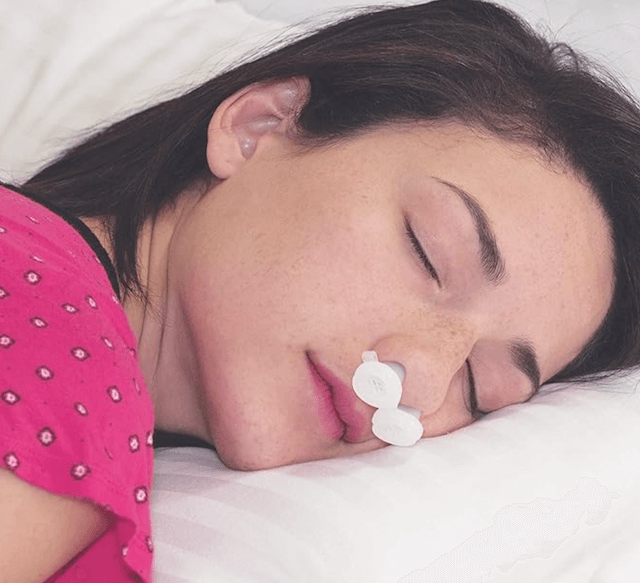
Sleeping position helps regardless of the underlying cause. Sleeping on your side rather than your back reduces the degree to which gravity pulls the tongue and soft tissues backward, which means the tonsils have less of an obstructing effect than when you’re flat on your back. This is not a cure for significant tonsil enlargement but it can meaningfully reduce the snoring severity.
For more significant cases where the tonsil size is causing persistent snoring, recurring infections, or contributing to sleep apnea, the conversation moves toward surgery. Tonsillectomy in adults is a more involved recovery than in children, typically taking two to three weeks, but for people whose quality of sleep and quality of life is being significantly affected it can be transformative. Some centres now offer tonsil reduction procedures that reduce the size without complete removal, which I’ve written about separately at my post on tonsil shrinking procedures. These carry a shorter recovery and fewer complications but may be less suitable for those with recurrent infections or very large tonsils.
If there’s any concern that sleep apnea rather than simple snoring is present, the right step before any treatment decision is a proper sleep assessment. An at-home sleep test is a reasonable starting point and your GP can refer you for one. The distinction matters because if tonsil surgery resolves the anatomical obstruction but sleep apnea persists due to other factors, further treatment will still be needed. And if the sleep apnea is severe, CPAP therapy may be part of the picture either as a bridge to surgery or as an ongoing treatment.
The common causes of snoring overlap considerably, and enlarged tonsils often exist alongside a deviated septum, excess weight, or other anatomical factors rather than as an isolated finding. Getting a proper ENT assessment gives you the full picture rather than addressing one piece while the others go unexamined.
The Bottom Line
Enlarged tonsils absolutely can cause snoring, and in more significant cases can contribute directly to obstructive sleep apnea. The mechanism is straightforward: less space means more resistance to airflow, and more resistance means more vibration and more likelihood of collapse during sleep.
If snoring is your main concern and you’ve noticed signs that your tonsils might be on the larger side, it’s worth raising with your GP. If sleep apnea symptoms are present alongside the snoring, get assessed before assuming the tonsils are the whole answer. And if you’ve had the tonsils checked and they’re not the issue, the snoring still warrants investigation because the alternatives, a deviated septum, weight, muscle tone, airway anatomy, are all addressable once properly identified.
⚠️ MEDICAL DISCLAIMER This blog provides general information only and is not a substitute for professional medical advice, diagnosis, or treatment. Sleep apnea is a serious condition, and CPAP equipment should be used under proper medical supervision. Always consult your doctor or sleep specialist before starting, stopping, or changing any therapy. I share personal experiences as a CPAP user, not as a medical professional. Individual results vary. For medical guidance, please consult a qualified clinician or the American Academy of Sleep Medicine (aasm.org).