How to Prevent CPAP Mask Lines on Your Face

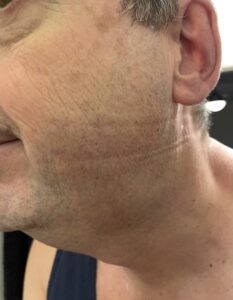
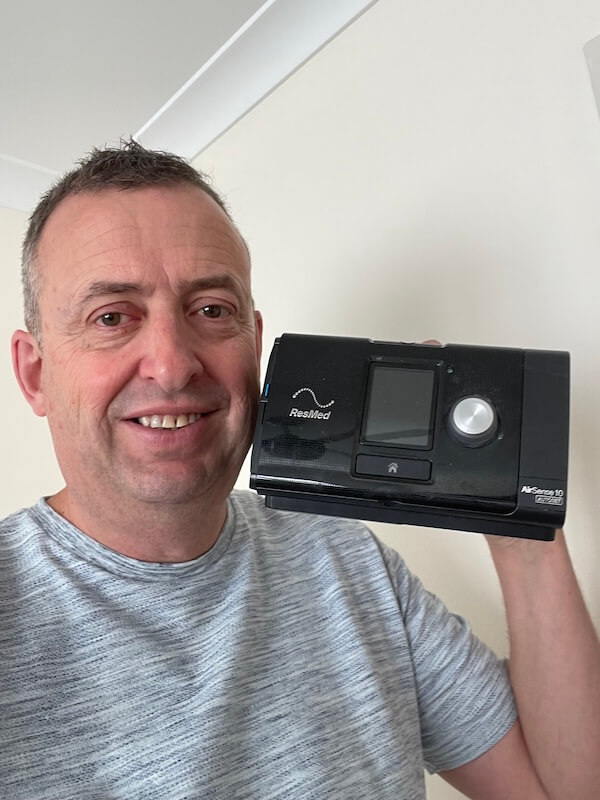
That photo is what most of my mornings look like. Red lines down my cheeks, an indent across the bridge of my nose, sometimes a horizontal mark above my upper lip. The funny thing is that the better I sleep, the deeper the lines tend to be. A long, peaceful night in the mask leaves me with the most obvious grooves. A shorter, restless night leaves me looking almost normal.
If you wear CPAP, you already know there is no version of this therapy where you wake up looking untouched. The mask has to seal against your face all night, and your face has to lie under that pressure for hours. Some skin marks are part of the deal.
What you can do is make those marks shallower, fade faster, and stop them from turning into anything more serious than a cosmetic annoyance. After more than a decade of wearing a CPAP every night, that is what I have settled on. This article is the practical version of what has actually helped me, plus the things I would suggest you try if mask lines are still bothering you.
A quick note before we get into it. I am a CPAP user, not a doctor or a clinician. My background is in computer science. Nothing here is medical advice. If your mask marks are turning into open sores, persistent rashes, or skin breakdown, that is a conversation for your sleep specialist, not a blog post.
Why a CPAP mask leaves lines on your face
The simple version: a CPAP mask has to apply enough force to your skin to maintain a seal against pressurized air all night. That is its job. Without that seal, you get leaks, your therapy stops working, and you do not get the sleep you went to all that trouble for in the first place.
The skin sitting under the cushion takes a small amount of constant pressure. Even when the strap tension is correct, that contact compresses the tiny blood vessels in the skin underneath. The Sleep Foundation explains that when straps are pulled too tight, those compressed capillaries can struggle to deliver oxygen and clear waste, which is when ordinary marks start crossing into something that looks more like a pressure injury. For most of us, the marks are harmless and fade within an hour or so of taking the mask off. The problem is when they do not fade, or when redness turns into open skin.
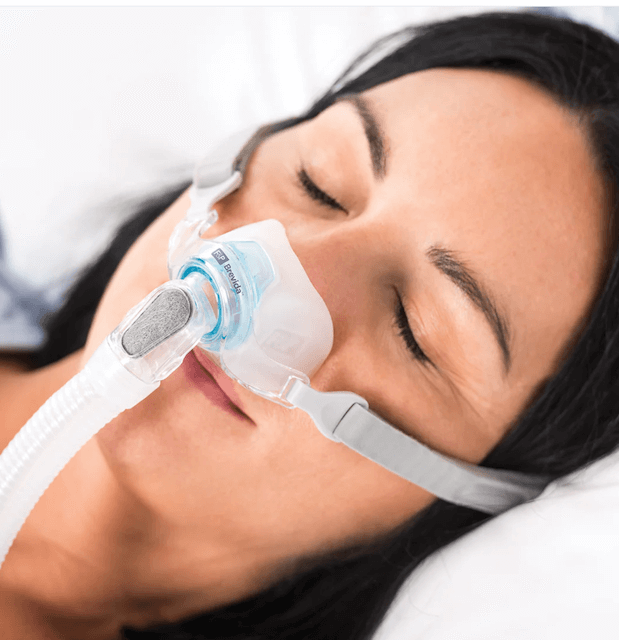
Full face masks leave the worst lines for a simple reason. They cover more skin and they have to seal across more terrain, including the bridge of the nose, the cheeks, and around the mouth. A nasal pillow mask, by contrast, barely touches your face at all. If you already have sensitive or thin skin, a full face mask can be especially marking. None of this is a design fault. It is just geometry and pressure.
Why this matters more if you are a mouth breather
I am a chronic mouth breather. That single fact has dictated almost every other equipment choice I have made.
The first time I tried CPAP, I quickly learned that nasal masks and nasal pillows were not really an option for me. If air is going in through the nose and the mouth is falling open, the pressure leaks straight back out. A chinstrap helps some people, but not me. A full face mask was the realistic answer. I have used the ResMed AirFit F20 throughout my CPAP journey, and it covers nose and mouth together so the seal does not depend on me keeping my jaw shut.
The tradeoff is what this article is really about. A full face mask is going to leave more marks than a smaller mask would. If you are in the same boat, you are not really choosing between marks and no marks. You are choosing between marks and effective therapy. Once I accepted that, the question became how to make the marks as small and as quick to fade as possible.
If you are not a mouth breather and are using a full face mask out of habit or because that is what your supplier handed you, it might be worth talking to your clinician about whether a nasal mask or nasal pillow setup could work for you. Less skin contact means less marking. There is a useful comparison of the different CPAP mask types on the site if you want to think it through.
Stop tightening your mask
This is the single most common mistake I see, and it is the one I made for years. When the mask leaks, our instinct is to tighten the straps. A tighter mask must mean a better seal, right? Usually, no.
Modern CPAP cushions are designed to inflate slightly under pressure and seal themselves against your skin. The straps are there to hold the cushion roughly where it needs to be. They are not the thing creating the seal. When you tighten the straps too far, you crush the cushion against your face, distort its shape, and often make the leak worse. You also dig the silicone or memory foam edge harder into your skin. That is exactly what causes the deepest mask lines.
A useful rule of thumb is that you should be able to slide a finger between the strap and your head without the mask shifting around. Another approach is to fit your mask while the machine is running on its ramp setting, with the air pressure on. The cushion will inflate and seal at a much lower tension than you would intuitively reach for. Once you find that point, leave it alone.
If you fit your mask in the silence of the bedroom with no air running, you are almost certainly fitting it too tight. There is more on this in my piece on why a CPAP mask leaks, which is the same problem from the opposite angle.
Mask liners are worth trying
A mask liner is a thin fabric or silicone barrier that sits between the cushion and your skin. The idea is to soften the contact and absorb the oils and moisture that build up overnight.
Liners are not a magic fix. The honest version is that they are a comfort tool, and they can slightly alter the seal of your mask, so a small amount of trial and error is involved. Some users find them brilliant. Others find they cause more leaks than they prevent. For people whose skin reacts to silicone, or who get raw spots on the cheeks or nose, a liner is often the first thing worth trying.
Most liners are washable and reusable, with a few daily disposable options on the market. I have collected my notes on the ones that perform best in my best CPAP mask liners guide.
Look at the straps separately from the cushion
If you trace your mask marks in the bathroom mirror in the morning, you will probably notice they fall into two groups. There are the lines from the cushion itself, around the nose and cheeks, and there are the lines from the straps, which run across the back of the head and down toward the ears.
These are two different problems. Mask liners help with the first. Strap pads or strap covers help with the second. Most strap covers are simple fleece or soft fabric sleeves that wrap around the headgear and stop the strap edge from cutting into your skin or hair. They are inexpensive, and they make a noticeable difference if your strap marks are bothering you. I have rounded up the ones that hold up well in my best CPAP strap covers post.
A simple skin routine helps
I am not a skincare person, so what I do is unfussy. The basic principle is that clean, hydrated skin marks less and recovers faster than dry, oily, or grimy skin.
[IMAGE PLACEHOLDER: optional skincare image, original page had one in this section]
Before bed, I wash my face with a gentle cleanser and dry it. Skipping this step is a small thing that makes a real difference, because oils on your skin will cause the cushion to slip slightly throughout the night, which means more rubbing in the same spot. If I am using a moisturizer at night, I keep it light and water based. Anything heavy or oily can interfere with the cushion seal and increase leaks.
In the morning, I do something simple that has become a habit. I take a small amount of moisturizer and massage it into the lines themselves. The combination of the cream and the gentle massage seems to bring blood back to the area, and the lines fade noticeably faster than they would on their own. A cold washcloth held against the deepest marks for a minute also helps.
What I avoid is putting heavy creams, balms, or petroleum products on my face right before strapping on the mask. Anything oily creates a slippery barrier that the cushion struggles to grip. The seal moves around through the night, you wake up tightening straps, and the cycle of marks gets worse.
Memory foam versus silicone cushions
Most CPAP cushions are silicone. It is durable, easy to clean, and it works well for the vast majority of users. Some people find it irritating against their skin, either because of the texture or because of a low grade sensitivity to the material itself.
Memory foam cushions are an alternative worth knowing about. The ResMed AirTouch F20, for example, is the memory foam version of the F20 frame and uses a soft fabric covered cushion in place of the silicone one. People who have switched generally report softer marks and more comfort, especially if they have sensitive skin. I have not personally used the AirTouch, so I will not pretend to review it. If you have struggled with silicone for a long time, it is worth asking your supplier whether a memory foam option is available for your mask frame.
The tradeoff with memory foam is that the cushion absorbs oils and is harder to clean than silicone. They typically need to be replaced more often as well.
If you sleep on your side, a CPAP pillow is worth the money
Side and stomach sleepers tend to have the worst time with mask marks. When your face is pressed into a standard pillow, the pillow is also pressing the mask into your face from the other side. The cushion has nowhere to go and the marks deepen.
A CPAP-friendly pillow has cutouts or contours that let the mask sit clear of the pillow surface. They look strange the first time you see one, but they work. If you are a side sleeper and have been frustrated by mask marks despite doing everything else right, this is the most underrated upgrade in my view. I cover the ones that have held up well in my best CPAP pillows post, and there is more detail on mask choice for side sleepers in my best CPAP mask for side sleepers guide.
Worn out cushions cause worse marks
This one sneaks up on people. Cushions wear out gradually. They lose elasticity, they stop sealing as effectively, and your response is to tighten the straps and try to compensate. Over weeks and months, you end up with a cushion that no longer seals well, headgear that is over tightened, and skin that is taking far more pressure than it should be.
ResMed and most other manufacturers suggest replacing cushions every one to three months and headgear every six months or so. I do not always hit that schedule, and if I am noticing more marks than usual, the first thing I check is how old the cushion is. If you have not replaced yours in the last few months, that is the cheapest fix on this whole list. There is more detail in my CPAP replacement schedule guide.
Sleep position matters more than you would think
Back sleepers tend to fare best. The mask sits on top, gravity is on your side, and the pillow is not pressing the cushion into your skin from underneath.
Side and stomach sleepers fight a more difficult battle, especially with full face masks. There is no perfect solution, but the combination of a CPAP specific pillow, a properly fitted cushion, and a slightly looser strap tension than you might expect goes a long way. I have written more about this in my piece on best sleep positions to prevent CPAP strap marks.
When mask marks become something more
For most users, mask lines fade within an hour of taking the mask off. They are cosmetic.
The point at which this stops being a cosmetic issue and starts becoming a medical one is when the marks do not fade, when the skin breaks down, when redness turns into open sores, or when you are getting persistent itching, scaling, or rashes. At that point, what you are dealing with may be CPAP dermatitis or the early stages of a pressure injury, and it warrants a conversation with your sleep specialist or supplier rather than another search for a better mask liner.
If your marks are deep but they fade, you are fine. If they are not fading, get advice.
The honest tradeoff
I started this piece by saying the better I sleep, the deeper the lines tend to be. That has not changed in years and I no longer expect it to. A long, peaceful night in the F20 means I wake up looking like I have been wrestling a rugby ball.
I will take that any morning of the week over what untreated sleep apnea was doing to me. Mask lines fade. The damage from severe untreated sleep apnea does not. If you are in the same situation, the goal is not to eliminate marks. The goal is to make them shallower, fade faster, and never cross over into pressure sores or dermatitis.
If you have a tip that works for you that I have not covered here, I would love to hear about it in the comments. Especially if you are a fellow full-face mask user. We are the ones with the most to gain.
⚠️ MEDICAL DISCLAIMER This blog provides general information only and is not a substitute for professional medical advice, diagnosis, or treatment. Sleep apnea is a serious condition, and CPAP equipment should be used under proper medical supervision. Always consult your doctor or sleep specialist before starting, stopping, or changing any therapy. I share personal experiences as a CPAP user, not as a medical professional. Individual results vary. For medical guidance, please consult a qualified clinician or the American Academy of Sleep Medicine (aasm.org).