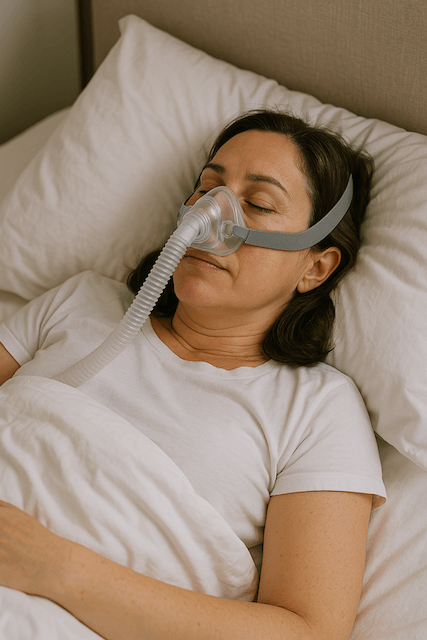
Is there a CPAP Machine to suit your Personality?

When I first started CPAP therapy, I thought the machine was just a medical device. Plug it in, strap it on, get some sleep, right?

But spend enough time in CPAP support groups or chat with other users, and you realize people actually develop relationships with their machines. Some folks geek out on data. Others love their compact travel CPAP like it’s a passport. Some are all about comfort features. It made me think: what if CPAP machines had personalities?
That’s where this quiz comes in. It’s lighthearted, but it also reflects the real differences between CPAP, APAP, BiPAP, and travel CPAP devices. So whether you’re just curious or actually shopping for a machine, this could help you see which “personality” fits your lifestyle best.
👉 If you’re brand new to CPAP, I recommend starting with my Beginner’s Guide to Sleep Apnea. It’ll give you the basics before you dive into machine choices.
Try the CPAP Machine Personality Quiz
Here’s where the fun starts. Answer a few quick questions to discover your Perfect Match CPAP
Meet the CPAP Machine Personalities
💪 The Strong Silent Type
Reliable and consistent, this machine delivers one steady pressure all night long. Perfect for those who like a simple, no-fuss approach.
Top Pick: ResMed AirSense 10 CPAP
Find my machine at Sleep Doctor⚡ The Overachiever
This smart machine automatically adjusts pressure throughout the night to keep your airways open, even when your needs change.
Top Pick: ResMed AirSense 11 AutoSet
Find my machine at Sleep Doctor🛡️ The Gentle Giant
Provides higher pressure when you inhale and lower pressure when you exhale. Great for people with more complex breathing needs.
Top Pick: ResMed AirCurve 10 BiPAP
Find my machine at Sleep Doctor🌍 The Free Spirit
Compact, lightweight, and easy to carry. Ideal for frequent travelers or anyone who doesn’t want CPAP therapy to slow them down.
Top Pick: ResMed AirMini
Find my machine at Sleep DoctorThe CPAP Personalities Explained
1. The Strong Silent Type – Fixed-Pressure CPAP
This personality values reliability. Fixed-pressure CPAPs deliver the same pressure all night long. No fuss, no tweaks, no algorithms deciding when to change things. If you like a “set it and forget it” approach, this could be your match.

- Best for: Beginners, people prescribed a steady pressure, those who want quiet operation.
- Pros: Simple, stable, usually more affordable.
- Cons: Less adaptable if your needs change (like seasonal congestion or weight changes).
I think of these machines like old-school pickup trucks — not flashy, but they get the job done night after night.
👉 Curious about mask pairings? Check out my guide on How to Choose a CPAP Mask.
2. The Overachiever – Auto-Adjusting CPAP (APAP)
APAPs are the Type A personalities of the CPAP world. They’re constantly measuring your breathing, adjusting the pressure, and crunching data. These machines are great if your pressure needs vary.
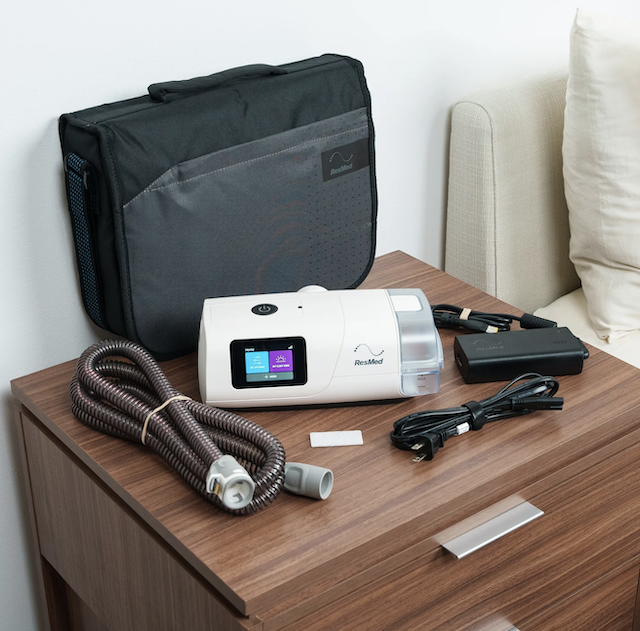
- Best for: Tech lovers, people whose pressure fluctuates, data geeks who love apps.
- Pros: More comfort since the machine adapts to you, often comes with detailed reports.
- Cons: Can be pricier, and not everyone likes constant pressure changes.
In support groups, I see lots of users bragging about their “perfect AHI score” from their APAP. If that’s you — welcome to the Overachievers’ Club.
👉 I’ve written about compliance in detail in my CPAP Insurance Compliance Guide if you’re worried about meeting your hours.
3. The Gentle Giant – BiPAP (Bilevel) Machines
BiPAP machines have a softer side. They deliver one pressure when you breathe in and a lower pressure when you breathe out. For people with high-pressure needs or certain health conditions, BiPAP is the only way to make therapy comfortable.
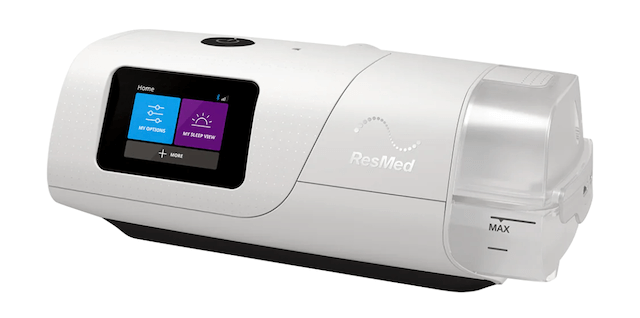
- Best for: Severe sleep apnea, COPD patients, or anyone struggling with high CPAP pressure.
- Pros: Easier exhaling, better comfort at high pressures.
- Cons: More expensive, usually requires stricter insurance approval.
This is the CPAP personality that says: “I’ll carry the load for you.” Strong, supportive, and built for the long haul.
👉 If you’re wondering whether CPAP, APAP, or BiPAP is right for you, I break it all down in my Sleep Apnea Surgery and Treatment Guide.
4. The Free Spirit – Travel CPAP
This personality is adventurous. Travel CPAPs are small, light, and designed to go wherever you do — carry-on luggage, camping, or even Europe for a month. (I used one myself on a 4-week trip and loved not having to lug a big humidifier around.)

- Best for: Frequent travelers, campers, and anyone who values portability.
- Pros: Ultra-lightweight, USB charging, often FAA-approved.
- Cons: Smaller water chambers, sometimes noisier, fewer comfort features.
They’re like the backpacker in the CPAP family — minimalistic but effective.
👉 Planning to travel? Read my guide on CPAP Travel Tips for TSA rules, distilled water advice, and portable gear picks.
Why Take This Quiz Seriously (Even If It’s Fun)
It may sound silly to match yourself to a “personality,” but it reflects a real truth: CPAP therapy is personal. The right machine depends not only on your prescription but also on your lifestyle, sleep style, and even your personality.
Think of it this way: if you’re a data junkie, you’ll love an APAP. If you’re always on planes, a travel CPAP is worth the investment. And if you’re struggling with high pressures, BiPAP can feel like a lifesaver.
Frequently Asked Questions
Q: Can I buy a CPAP without a prescription?
A: In the U.S., no. You’ll need a doctor’s prescription. I explain more in my Prescription for a CPAP Machine Guide.
Q: What’s the best CPAP for beginners?
A: Most people start with either a fixed-pressure CPAP or an APAP, depending on what their sleep study recommends.
Q: Is a travel CPAP good enough for everyday use?
A: It can be, but most people use them as a secondary machine. The smaller humidifiers aren’t ideal long-term.
Q: What’s the difference between CPAP, APAP, and BiPAP?
A: CPAP = one steady pressure. APAP = auto-adjusting pressure. BiPAP = two pressures (inhale/exhale). Each has its own strengths.
Final Thoughts
Your CPAP machine isn’t just hardware. It’s your nightly partner in better health. And like people, machines come with their own “personalities.” Finding the one that matches yours can make therapy easier to stick with.
So take the quiz, have a laugh, and then use the result as a springboard for more serious research. Because at the end of the day, the best CPAP machine is the one you’ll actually use.
👉 Ready to dive deeper? Here are some guides I recommend next:
⚠️ MEDICAL DISCLAIMER This blog provides general information only and is not a substitute for professional medical advice, diagnosis, or treatment. Sleep apnea is a serious condition, and CPAP equipment should be used under proper medical supervision. Always consult your doctor or sleep specialist before starting, stopping, or changing any therapy. I share personal experiences as a CPAP user, not as a medical professional. Individual results vary. For medical guidance, please consult a qualified clinician or the American Academy of Sleep Medicine (aasm.org).