Can a CPAP Cause a Sinus Infection?

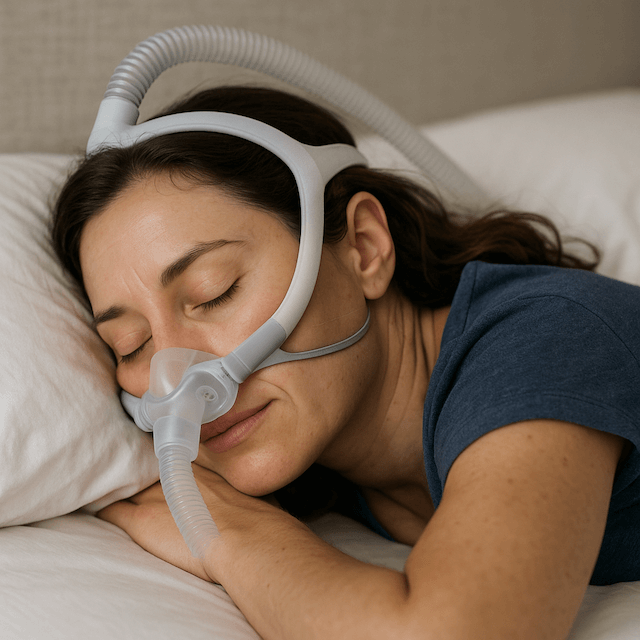
If you have started waking up with facial pressure, a stuffy nose, or that thick, blocked feeling behind your cheeks, it is natural to look at the machine strapped to your face every night and wonder whether it is the cause. I have asked myself the same question. I have used a CPAP for more than a decade to manage severe obstructive sleep apnea, and I sleep in a full face mask because I am a chronic mouth breather, so my airway gets a lot of pressurized air every single night.
Here is the short answer, and I will spend the rest of this article explaining it. A CPAP machine does not usually cause a sinus infection on its own. What a neglected CPAP can do is give bacteria, mold, and irritants a warm, damp place to collect, and then deliver them straight into your airway. The machine is rarely the villain. Dirty equipment is the real risk, and that part is entirely within your control.
I want to be clear about where I am coming from before we go further. I am a patient, not a doctor. My background is in technology, not medicine. Everything here reflects what I have learned living with this condition and reading the clinical sources, not a diagnosis or a treatment plan. If your sinuses are genuinely bothering you, the advice in this article does not replace a conversation with your own physician.
What a Sinus Infection Actually Is
Your sinuses are hollow spaces in the bones around your nose and eyes. They are lined with a thin layer of tissue that produces mucus and helps warm, filter, and moisten the air you breathe. When that lining becomes swollen and inflamed, mucus stops draining the way it should. It backs up, pressure builds, and you get the familiar combination of congestion, facial pain, and that heavy feeling across the front of your face. The medical name for this is sinusitis.
Sinusitis comes in two broad forms. Acute sinusitis is the short version. It usually follows a cold or another viral infection, lasts a couple of weeks at most, and often clears on its own without antibiotics. Sometimes bacteria move in after a virus has already inflamed the area and disrupted normal drainage, which is when a simple cold turns into something that lingers.
Chronic sinusitis is the longer story. According to the Mayo Clinic, chronic sinusitis is diagnosed when inflammation lasts roughly twelve weeks or longer despite treatment, and it is often tied to ongoing inflammation, allergies, nasal polyps, or structural differences in the nose rather than a single infection. That distinction matters for CPAP users, because the things that aggravate chronic sinus symptoms tend to be the same things a poorly maintained machine can quietly add to: irritants, allergens, and dryness.
The reason I lead with the definition is that a lot of CPAP users assume any nasal trouble is automatically a sinus infection caused by the machine. Often it is something simpler, such as dryness or mild irritation from the airflow, which feels similar but is not an infection at all.
So, Can a CPAP Cause a Sinus Infection?
The honest research-backed answer is that it is uncommon, but it is not impossible, and the deciding factor is almost always hygiene.
Think about what a CPAP system is. Air is drawn in through a filter, often passed over a chamber of water for humidification, pushed down a length of tubing, and delivered through a mask that sits against your face for hours. Every one of those surfaces is a place where something can grow or collect if you let it. A mask cushion accumulates skin oils and moisture. A humidifier chamber holds standing water. Tubing traps condensation. Filters catch dust, pollen, and other airborne particles. Left uncleaned, those surfaces can build up bacteria or mold, and a clogged or worn filter can let dust and allergens ride the airflow straight into your nose.
That is the realistic mechanism. The machine is not generating an infection out of nowhere. It is the delivery system. If the delivery system is clean, it delivers clean, conditioned air. If it is dirty, it can deliver irritants and microbes into an airway that is already being worked hard every night.
I will say plainly that I have never treated my own equipment as something I can ignore, and the reason is exactly this. A full face mask means a large surface sitting against my skin and a lot of air moving through the system. The discipline of keeping it clean is not fussiness. It is the single biggest thing standing between me and the kind of irritation we are talking about here. If you want to understand the underlying condition that puts most of us on these machines in the first place, I have written separately about obstructive sleep apnea and why treating it matters.
One more piece of reassurance. The humidifier sometimes gets blamed because it is the one component that deliberately adds moisture, and damp environments are where things grow. But humidified air itself is not thought to raise your risk of a sinus infection. Used correctly, with clean distilled water changed regularly, the humidifier usually helps, because it counteracts the dryness and nasal irritation that pressurized air can cause. The risk is not the water. The risk is water left sitting and a chamber that never gets washed.
How to Tell Sinusitis From Ordinary CPAP Dryness
Before you blame the machine, it helps to know what sinusitis feels like, because there is a lot of overlap with a common cold, seasonal allergies, and the mild dryness many people feel in their first weeks of therapy.
Sinusitis tends to bring some combination of nasal congestion, thick or discolored mucus, facial pain or tenderness around the eyes, cheeks, or forehead, pressure that worsens when you bend forward, a reduced sense of smell, postnasal drip, a sore throat, headache, fatigue, and sometimes a fever. Pain in the upper teeth is also common, because the roots sit close to the sinuses.
Compare that with what pressurized air alone often does, which is leave you with a dry nose, a dry mouth, or a bit of stinging in the nostrils, usually without facial pain or fever. That kind of dryness is a comfort problem, not an infection, and it usually responds to better humidification or a mask adjustment. If you are dealing mainly with a parched feeling rather than pressure and colored mucus, my notes on managing CPAP dry mouth are probably more relevant to you than anything in this article. A fever, facial pain, and mucus that has turned yellow or green point much more toward an actual infection.
What to Do If You Get a Sinus Infection While on CPAP
The instinct, when your face hurts and your nose is blocked, is to take the mask off and give yourself a break. I understand the impulse. Please do not do it without talking to your doctor first.
Stopping CPAP brings your untreated sleep apnea straight back, which means fragmented sleep and lower oxygen at exactly the moment your body is trying to fight off an illness and recover. Poor sleep does not help you get better. There can also be a practical consequence if your insurer tracks compliance, because a run of unused nights can put your coverage at risk. Most people are advised to keep using the machine through a sinus infection rather than abandon it.
What you can do is treat the infection with the usual conservative measures while you keep up therapy. Most acute sinus infections settle within about seven to ten days. Staying well hydrated, running humidified air, rinsing the sinuses with a sterile saline solution, and using over the counter pain relief or a nasal steroid spray all help in the meantime. Do not start antibiotics on your own. They only help when an infection is bacterial, and that is a call for your doctor to make.
There is one detail people skip during an illness, and it is the one that matters most here. Clean your equipment more carefully, not less, while you are sick. You are breathing your own germs into the mask and tubing every night, so a thorough clean each morning keeps you from reintroducing them the following evening.
How to Reduce Airway Irritation From CPAP
This is the part I care about most, because it is the part you can actually control. Most of the sinus and nasal trouble that gets blamed on CPAP comes down to maintenance, and good maintenance is mostly just boring consistency. Here is how I approach it after more than a decade of nightly use.
Keep Your Equipment Clean on a Real Schedule
Cleaning is the single most effective thing you can do to keep your airway happy. My own routine is simple and I do not let it slide. I wash the mask cushion every day in warm water with a little mild soap, because that is the part touching my skin and collecting oil overnight. Once a week I do a full deep clean, taking the mask apart, washing each piece separately, and letting everything air dry completely before I put it back together.
The same logic applies to the rest of the system. Tubing should be washed weekly and hung to dry, and it helps to let it air out during the day rather than leaving it coiled and damp. The humidifier chamber should be emptied every morning so water is never left standing, refilled with fresh distilled water before bed, and washed out once a week with mild soap or a diluted vinegar solution, then dried away from direct heat and sunlight. Filters need attention too. Reusable filters get rinsed and squeezed dry on a weekly basis, and disposable ones get replaced on the manufacturer’s schedule or sooner if they look dirty. If you want a full walkthrough rather than this summary, I have a longer guide on how to clean a CPAP machine.
Use Distilled Water, Not Tap Water
This one is easy to get wrong because tap water seems harmless. It is fine to drink, but it is not fine to inhale. Tap water carries minerals and microorganisms that you do not want traveling into your airway through humidified air. Distilled water has been boiled down to steam and condensed back into liquid, which strips out both the microorganisms and the minerals. That keeps your airway cleaner and, as a bonus, stops mineral scale from building up and shortening the life of your humidifier chamber. I have never run anything but distilled water through my machines at home, and I go into the reasons in more detail in my piece on distilled water for CPAP.
Replace Worn Parts Before They Become a Problem
CPAP equipment runs for hours every night, and it wears out. A mask cushion eventually loses its seal. Tubing and plastic develop fine scratches that trap grime and become impossible to fully clean. Filters degrade. Once a surface cannot be cleaned properly, it becomes a place for bacteria to settle no matter how diligent you are, so replacing parts on a sensible schedule is part of hygiene, not separate from it. I keep loose track of how old each component is and swap anything that looks degraded. If you are unsure how often to change things, my CPAP replacement schedule lays out reasonable timelines.
Be Cautious With Ozone and UV Cleaning Machines
This deserves a warning rather than a recommendation. There are devices marketed as automatic CPAP cleaners that use ozone gas or ultraviolet light, and they are tempting because hand washing every day is tedious. The trouble is that the U.S. Food and Drug Administration has not authorized any ozone or UV device to clean, disinfect, or sanitize CPAP equipment, and it advises against relying on them. The agency has received reports of users experiencing coughing, headaches, breathlessness, and asthma attacks linked to ozone based cleaners, and it has found that ozone can leak into the room and linger inside masks and tubing at unsafe levels for hours after a cycle finishes. For anyone with a respiratory condition, that caution carries extra weight.
Soap and water remain the method the FDA and most clinicians recommend. If you are curious about why these gadgets keep getting flagged, I have written more about self cleaning CPAP machines and where they fall short.
Do Not Share Your Machine
A CPAP is personal medical equipment, prescribed for one person. Sharing a machine or accessories with someone else is an easy way to pass germs back and forth, which is the opposite of what you want when you are trying to avoid airway infections. If you ever buy a secondhand machine, get it from a reputable supplier who can confirm it has been properly sanitized.
Treat Congestion at the Source
Sometimes the nasal blockage is not about the CPAP at all. Allergies, a cold, or chronic congestion can leave you stuffy regardless of your machine, and that congestion then makes therapy uncomfortable and tempts you to skip nights. Addressing the underlying congestion, whether through allergy management, saline rinses, or your doctor’s guidance, usually does more than fiddling endlessly with the machine. Good humidification helps here too, which is why I am a believer in running the CPAP humidifier rather than going without.
When to See a Doctor
Most sinus infections clear up on their own with rest, fluids, and time. Some do not, and there are signs worth taking seriously rather than waiting out. Make an appointment if you have facial, jaw, or tooth pain that is not improving, a fever that lasts more than a few days, facial swelling, or symptoms that drag on past ten to fourteen days or seem to be getting worse instead of better. Those can point to a bacterial infection that needs a prescription, or to a chronic problem that deserves a proper look from an ear, nose, and throat specialist.
If you are unsure, err toward asking. I would rather see someone get a quick professional opinion than quietly struggle through weeks of facial pressure assuming it is just the machine.
The Bottom Line
A CPAP machine is not, by itself, a likely cause of sinus infections. What it can do, if you neglect it, is turn into a reservoir for bacteria, mold, and irritants that get delivered into your airway every night. The fix is not complicated and it does not require any special gadget. Clean your mask daily and deep clean it weekly, wash your tubing and humidifier chamber on a regular schedule, run distilled water, replace worn parts, skip the ozone and UV machines, and keep the equipment to yourself. Do that, and the machine that treats your sleep apnea stays a help rather than a hazard.
If you are newer to all of this and want the broader picture of what daily therapy is actually like, including the parts nobody warns you about, I have written about living with sleep apnea from a patient’s point of view.
Frequently Asked Questions
Can CPAP use cause sinus problems?
It usually does not, but some people notice nasal or sinus symptoms when they first start, mostly because the steady flow of pressurized air can dry out and irritate the nasal passages. That is not the same as an infection. A heated humidifier, a better mask fit, and consistent cleaning tend to settle most of these early symptoms.
Should I keep using my CPAP if I have a sinus infection?
In most cases, yes, but talk to your doctor first rather than stopping on your own. Untreated sleep apnea returns the moment you put the machine away, and the resulting poor sleep makes it harder to recover. Many people continue therapy right through a sinus infection. Just clean the equipment thoroughly every morning so you are not breathing your own germs back in each night.
Can a CPAP make my allergies worse?
Not under normal conditions, because the machine’s filter is designed to keep dust and pollen out of the airflow. It can make allergies worse if the filter is old or the parts are not cleaned, because allergens then collect inside the tubing or humidifier and get delivered straight to you. Keeping up with cleaning and filter changes is what prevents that.
⚠️ MEDICAL DISCLAIMER This blog provides general information only and is not a substitute for professional medical advice, diagnosis, or treatment. Sleep apnea is a serious condition, and CPAP equipment should be used under proper medical supervision. Always consult your doctor or sleep specialist before starting, stopping, or changing any therapy. I share personal experiences as a CPAP user, not as a medical professional. Individual results vary. For medical guidance, please consult a qualified clinician or the American Academy of Sleep Medicine (aasm.org).