CPAP Cleaning Supplies – What You Need and What You Can Skip

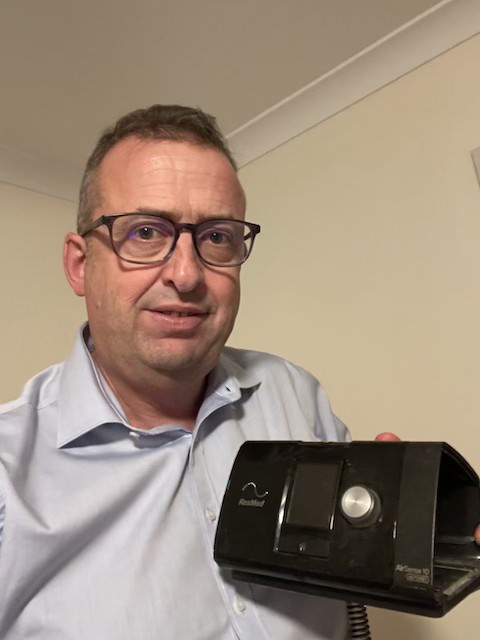
I have used CPAP every night for more than a decade to manage severe obstructive sleep apnea. In that time, the cleaning routine has become as automatic as brushing my teeth, and I have learned which supplies actually earn a place in it and which ones are sold on worry rather than need.
This guide is honest about that distinction. The routine described below is the one I follow. The specific products further down are ones I have researched and would point a reader toward, not gear I have personally owned for years. I keep those two things separate on purpose, because the most useful cleaning advice is usually the least dramatic: warm water, mild soap, a brush, and the discipline to let everything dry.
A quick note on why this matters before the products. A CPAP mask sits against your face for seven or eight hours a night. The cushion collects facial oils, skin cells, and moisture every time you wear it. The hose holds condensation. The humidifier chamber sits warm and damp for hours, which is close to ideal conditions for bacteria and mold if the water is left standing. Regular cleaning keeps that under control, protects the silicone seal so your mask keeps fitting properly, and helps you get the therapy you are actually paying for. The Sleep Foundation has a plain guide to cleaning a CPAP machine if you want a second source on the basics. The short version is that you do not need anything exotic.
I am a patient, not a clinician. My background is in computer science. What follows is lived experience and research, not medical advice, so treat your manufacturer’s instructions and your equipment supplier as the final word.
My daily and weekly routine
Here is what the routine actually looks like, and it is the foundation everything else builds on. If you want the full step-by-step version, I have written that up separately in how to clean a CPAP machine. This is the summary.
Every morning, after I take the mask off, I wash the cushion with a little warm water and mild soap and leave it to air dry. This takes under a minute, and it removes the overnight oils before they have time to degrade the silicone. Skin oils left sitting on a cushion shorten its life and ruin the seal faster than almost anything else, so this one small habit pays for itself in replacement cushions you do not have to buy. I also empty the humidifier chamber, rinse it, and leave it open to dry through the day. Water should never sit in the chamber between uses.
Once a week I do a fuller clean. The mask cushion, the headgear, and the hose go into warm water with a small amount of mild soap, and everything air dries completely before the next night. Putting components away damp recreates the exact moisture problem you are trying to avoid, so drying time is not optional.
The humidifier chamber gets a deeper clean weekly too. A solution of one part white vinegar to a few parts water, left in the chamber for about half an hour, lifts the mineral deposits that build up from the water; then a rinse and air dry finishes it. I use distilled water in the humidifier, which slows that buildup considerably. If you use tap water, expect to descale more often.
One thing worth flagging if you use heated tubing, as I do: the tube has electrical connections at the ends, so keep those dry and clean the inside of the tube only. I cover this in more detail in my notes on heated CPAP tubing.
Filters get checked monthly. Disposable filters usually need replacing every two to four weeks depending on how dusty your room is, and reusable filters can be rinsed and dried. A blocked filter makes the motor work harder and run louder, so it is worth staying on top of.
That is the whole routine. A minute each morning, twenty minutes once a week. Everything below is about making those tasks a little easier or a little more thorough.
Quick picks
| What you need | Researched pick |
|---|---|
| Daily mask cleaning | Resplabs CPAP Mask Wipes |
| Hose and mask deep clean | Aveen CPAP Tube and Mask Brush |
| Cleaning soap | CPAP Cleaner Solution |
| Budget kit with tub | RawRock Hose and Mask Kit |
| Hose drying | Lenintae CPAP Hose Dryer |
| Sanitizing machine | LiViliti Paptizer Smart |
CPAP wipes for daily cleaning: Resplabs CPAP Mask Wipes
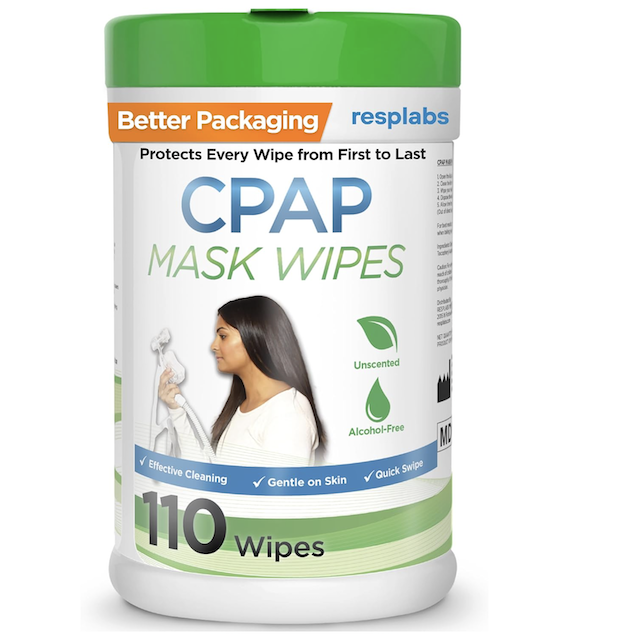
Wipes are the convenience option for the daily cushion clean. You can do the same job with a cloth and warm water, which is what I do, but a wipe is faster if you are rushing out the door in the morning, and a lot of people stick with the habit better when it takes ten seconds instead of a trip to the sink.
If you go the wipe route, two things matter. First, the packaging needs to keep the wipes moist. Flat pack styles tend to dry out within a couple of weeks of opening, which wastes the back half of the pack. A sealed tub holds moisture much longer. Second, the wipes should be unscented and alcohol free. Scented wipes leave a residue you will smell against your face all night, and alcohol degrades silicone cushions over time, so neither belongs near a mask. The Resplabs wipes meet both of those criteria, which is why they come up as a sensible default.
If you want a fuller comparison of options in this category, I have a separate roundup on the best CPAP wipes.
CPAP brushes for the weekly deep clean: Aveen CPAP Tube and Mask Brush
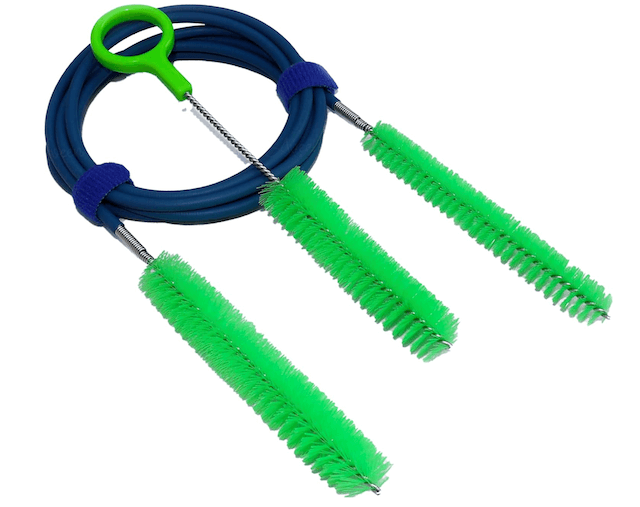
This is the supply most people are missing, and it makes the biggest practical difference to how clean your hose actually gets. The inside of a CPAP hose cannot be cleaned properly by hand or by water alone. A long flexible brush is the only way to scrub the interior wall, and the residue that builds up inside an unbrushed hose over a few weeks is not something you want to think about while you are breathing through it.
A good brush has bristles firm enough to travel the full length of the hose without buckling, and most sets include a smaller brush for the mask frame and headgear crevices that are hard to reach in a sink. The Aveen set covers both, and the whole job takes about five minutes a week. The same caution from the routine section applies here: if you have a heated tube, brush the inside but keep the electrical connections at the ends dry.
An all-in-one option: RawRock Hose and Mask Kit with collapsible basin
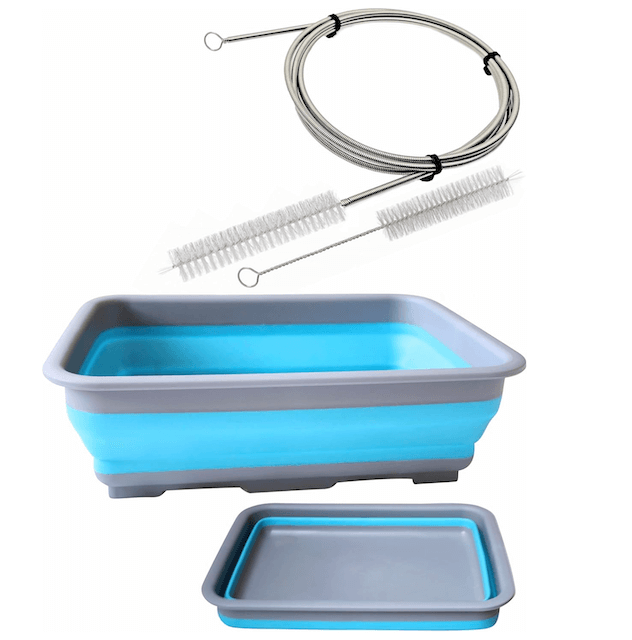
If you would rather buy everything in one go, a kit that bundles a hose brush, a mask brush, and a dedicated washing basin saves you assembling the pieces yourself. The collapsible tub holds enough water to soak the mask components and the hose at the same time, and it folds flat for storage, which is genuinely useful if your bathroom counter is short on space.
The brush quality in bundled kits is usually a small step below a standalone brush, so this is more of a convenient starting point than the best of each component. For someone setting up a cleaning routine for the first time, though, having a dedicated washing space for CPAP gear is worth the trade off, and you can always upgrade the brush later.
CPAP cleaning soap: CPAP Cleaner Solution
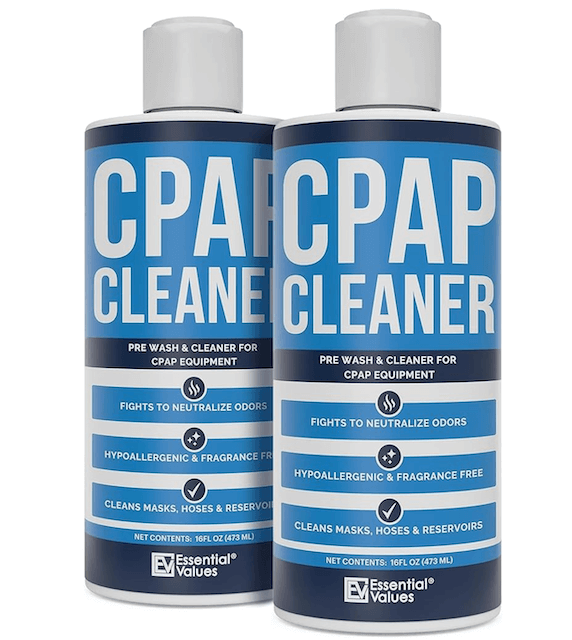
You do not strictly need a specialist soap. Manufacturers, including ResMed, generally tell you that mild soap and warm water are enough, and that is true. The case for a dedicated CPAP soap is narrower: regular dish liquid can leave a faint scent or a slight residue, and because the mask sits in an enclosed space against your face, some people notice that residue at night when they would not notice it on a dinner plate.
A purpose-made CPAP solution is formulated to be fragrance-free and to rinse clean without leaving a film, and a single bottle lasts a long time because you only need a small amount per wash. Whatever you use, avoid anything with alcohol, bleach, antibacterial additives, or fragrance, since those either damage components or leave residues you will breathe in. If you want to compare options here, I have a dedicated page on the best CPAP cleaner.
CPAP hose dryer: Lenintae CPAP Hose Dryer
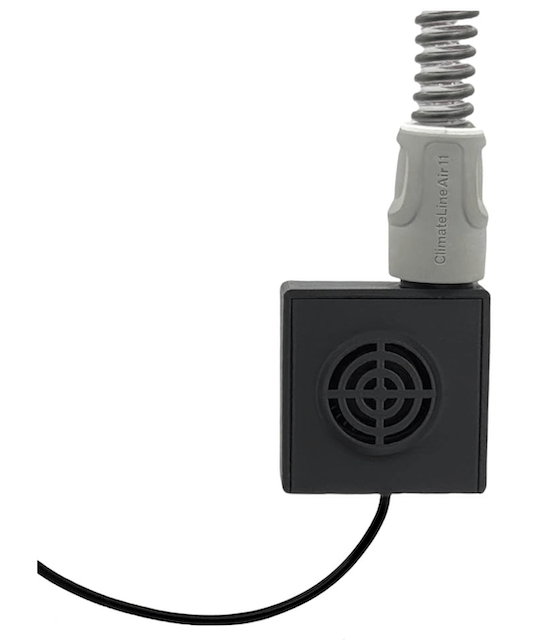
Drying is the step where moisture problems sneak back in. Hanging a hose to air dry works, but depending on your climate, it can take several hours, and if the hose is still damp at bedtime, you have just put moisture back into the system you cleaned. That is more of an issue in humid weather or when your wash day collides with an early start.
A hose dryer attaches to one end of the tube and runs a small fan through it to speed drying up. The Lenintae model is quiet enough to run during the day, compact enough to travel with, and it removes the guesswork about whether the hose is dry enough to use. It solves a small problem, but a real one, and for anyone who travels with their machine or keeps an irregular schedule it is a reasonable buy.
CPAP sanitizer machines: LiViliti Paptizer Smart
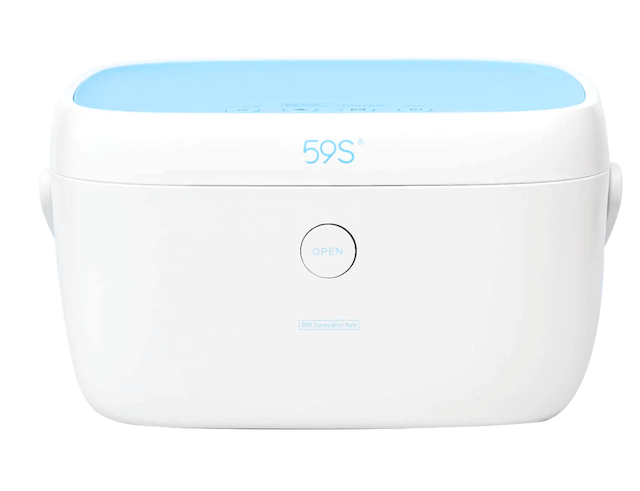
I should be upfront here: I do not use a sanitizer machine, and you do not need one to keep your equipment clean. They are a nice to have, not a requirement, and it is worth being clear about what they do and do not do before you spend the money.
A UV-based sanitizer like the LiViliti Paptizer uses UV-C light, heat, and circulated air to kill bacteria and pathogens on the surfaces the light reaches, usually in a few minutes with one button press. What it does not do is remove physical residue. The dried oils, skin cells, and mineral deposits still have to be washed off by hand with soap and water. A sanitizer complements manual cleaning; it does not replace it. The FDA has actually weighed in on this category, noting that most CPAP gear only needs mild soap and water and that ozone and UV cleaning devices are not FDA-approved for the job. Worth reading before you buy.
There is also a warranty angle. ResMed excludes ozone damage from its warranty entirely, so if you do go down the sanitizer route, a UV and heat device is the safer choice for your machine than an ozone-based one. If you want the full breakdown of whether these machines are worth it, I have written that up in best CPAP sanitizer machine.
When to replace, not just clean
Cleaning extends the life of your components but does not make them last forever. As a rough guide, mask cushions tend to need replacing every four to six weeks, headgear every six months, hoses every three to six months, and disposable filters every two to four weeks. Most insurance plans cover replacements on a schedule, so it is worth checking what yours covers rather than running parts past the point where they seal and work properly. I cover the timing in detail on the CPAP replacement schedule page.
After more than a decade of this, the honest takeaway is that the routine matters far more than the gadgets. A cloth, a brush, mild soap, and the habit of doing it will keep your equipment clean and your therapy effective. Everything beyond that is convenience, and convenience is worth buying only when it actually keeps you cleaning consistently.
⚠️ MEDICAL DISCLAIMER This blog provides general information only and is not a substitute for professional medical advice, diagnosis, or treatment. Sleep apnea is a serious condition, and CPAP equipment should be used under proper medical supervision. Always consult your doctor or sleep specialist before starting, stopping, or changing any therapy. I share personal experiences as a CPAP user, not as a medical professional. Individual results vary. For medical guidance, please consult a qualified clinician or the American Academy of Sleep Medicine (aasm.org).