What Is a BiPAP Machine?


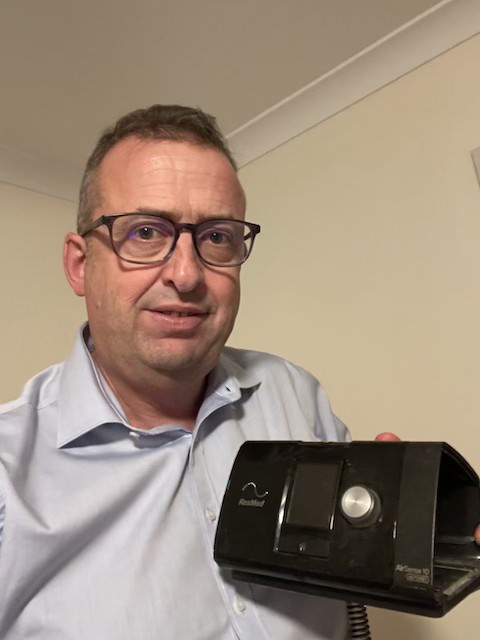
I guess I was pretty lucky when I started my CPAP therapy. I was prescribed a standard CPAP machine, which gave me miraculous benefits almost overnight, and ten years later, it is still delivering.
However, for others, a more specialized device is required, which is probably why you have found yourself here on my blog.
Welcome to my blog, and thank you for stopping by.
In this article, I will take you through what a BiPAP machine is, how it differs from other CPAP machine types, and where I recommend you purchase one.
The Basics of BiPAP
A BiPAP machine (short for bilevel positive airway pressure) is a sleep therapy device that helps normalize your breathing while you sleep.
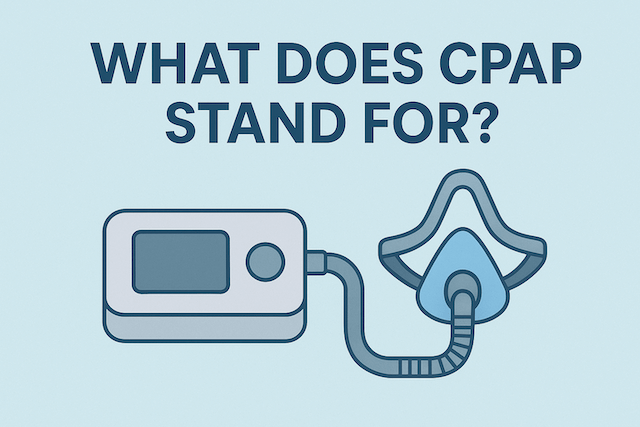
Unlike a CPAP (continuous positive airway pressure) machine, which uses one constant air pressure, a BiPAP uses two:
- IPAP (Inspiratory Positive Airway Pressure): The pressure when you breathe in.
- EPAP (Expiratory Positive Airway Pressure): The lower pressure when you breathe out.

This “bi-level” setup makes it easier to exhale, especially if you need higher pressures to keep your airway open.
Why it matters
Around 10–30% of U.S. adults have obstructive sleep apnea (OSA), but not everyone tolerates CPAP well. BiPAP provides an alternative that can feel more natural, especially if you struggle with exhaling against pressure or have complex breathing conditions like central sleep apnea (CSA) or COPD.
How a BiPAP Machine Works
Think of your airway as a soft, flabby garden hose. When you fall asleep, muscles relax, and the “hose” can collapse, blocking airflow.
You are asleep, so you are unaware of what is happening in your body, so you need the BiPAP machine to help you out.
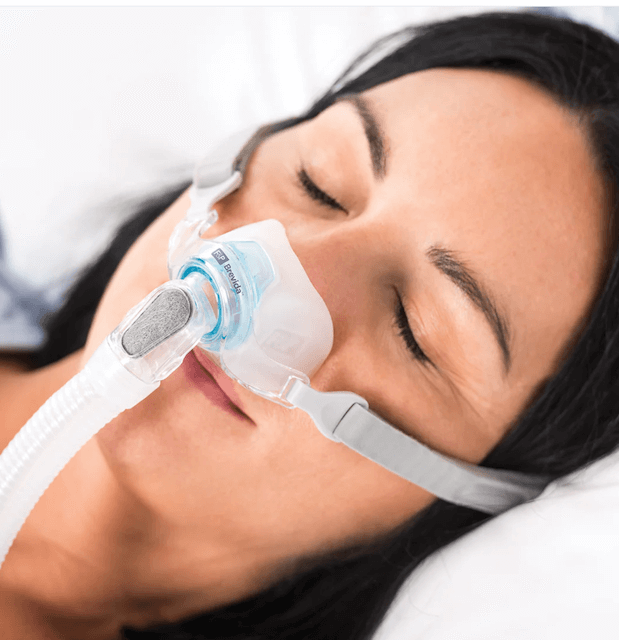
A BiPAP sends a steady stream of pressurized air through a hose and mask to hold the airway open. The key difference? It helps you breathe in and out more comfortably by lowering pressure on exhalation.
Most BiPAPs also include sensors and modes to adapt to your breathing patterns, even providing “backup breaths” if your body forgets to inhale for a moment.
💡 Interesting fact: BiPAP machines were originally developed for patients with neuromuscular disorders. Today, they’re used widely for sleep apnea, COPD, obesity hypoventilation syndrome, and even post-COVID breathing support.
Getting Started With BiPAP Therapy
Starting BiPAP therapy feels intimidating at first. Will the pressure be correct for me? What will happen if the pressure is too high or too low? These were the same worries I had when I first started my CPAP journey. But don’t worry, it is the job of your sleep specialist to get these figures correct.
Let’s now take a quick look at the setup process:
Step-by-Step Setup
- Place the BiPAP machine on a flat surface near your bed.
- Fill the humidifier chamber with distilled water (if included).
- Connect the hose to the device and your mask.
- Plug it in and turn it on.
- Adjust the mask until you have a snug seal, no hissing air leaks.
- Relax and breathe normally while the machine calibrates.
Quick Tips for New Users
When I first put my mask on, it felt like one of those alien facehugs from the movies. Now I kinda consider it as a best friend because it restored my health. I’ve read countless posts on Facebook of people saying they can’t get used to it and want to throw the whole machine across the room, but please stick with it.
Here are some tips.
- Start slow: Try wearing your mask for 30 minutes while watching TV before bed.
- Relax: Don’t fight against the machine, go with the flow (literally)
- Track your data: Many BiPAPs sync with apps to monitor leak rates and apnea events.
💡 Learn more about choosing the right device in my guide to the best BiPAP machines.
BiPAP vs. Other PAP Therapies
Let’s compare BiPAP with other common types of PAP therapy.
BiPAP vs. CPAP
| Feature | BiPAP | CPAP |
|---|---|---|
| Air Pressure | Two levels (inhale & exhale) | One constant level |
| Comfort | Easier to exhale | Can feel harder to exhale |
| Typical Use | Complex or high-pressure sleep apnea | Standard obstructive sleep apnea |
| Cost | Higher | Lower |
| Common Models | ResMed AirCurve 10 VAuto, Philips DreamStation BiPAP | ResMed AirSense 11, Luna G3 CPAP |
Takeaway: CPAP is usually the first therapy prescribed. But if you can’t tolerate the pressure or have a mix of apnea types, BiPAP may be the better fit.
BiPAP vs. APAP
| Feature | BiPAP | APAP |
|---|---|---|
| Pressure | Fixed or auto two-level | Auto-adjusting single level |
| Algorithm | Responds to inhale/exhale separately | Adjusts overall pressure |
| Comfort | Great for people needing variable exhale support | Great for pressure sensitivity |
| Typical Use | Complex OSA, CSA, COPD | Mild to moderate OSA |
Takeaway: APAP automatically adjusts to your needs through the night. BiPAP goes further — actively helping you exhale and breathe more efficiently.
BiPAP vs. ASV
| Feature | BiPAP | ASV |
|---|---|---|
| Function | Two fixed or auto pressure levels | Uses adaptive algorithm for breath-by-breath control |
| Ideal For | OSA, CSA, COPD | Complex or central sleep apnea |
| Price | $$$ | $$$$ |
| Notes | Easier setup | Advanced, doctor-tuned therapy |
ASV (Adaptive Servo-Ventilation) is typically reserved for central sleep apnea or irregular breathing patterns. BiPAP is more common and far more affordable for most users.
Is BiPAP Right for You?
BiPAP machines are not just used for obstructive sleep apnea, but many other sleep-related breathing disorders and other respiratory problems.
The decision about whether a BiPAP machine is suitable for you should always be made in consultation with a doctor or sleep specialist.
Put simply, BiPAP machines are used when one constant pressure isn’t enough or breathing becomes more complex due to another health condition.
That includes people with:
- Obstructive sleep apnea (OSA) patients who struggle with high-pressure settings
- Central sleep apnea (CSA), where the brain sometimes “forgets” to signal breathing
- Chronic obstructive pulmonary disease (COPD)
- Obesity hypoventilation syndrome (OHS)
- Other lung or neuromuscular conditions that affect normal respiration
Still, BiPAP isn’t something you just buy online and figure out yourself—it should always be prescribed and configured by a sleep specialist or respiratory therapist.
If you’re considering switching, check out my in-depth review of the best BiPAP machines — including current prices and top features.
Building Your Personal BiPAP Routine
Once you’ve got your BiPAP setup, consistency is everything. Here’s how to make therapy stick:
My Nightly Routine Template
- Prep early: Fill the humidifier and get the mask in position before bedtime.
- Wind down: Do what you need to do to wind down for the night.
- Track sleep: Use your BiPAP app weekly to spot trends.
- Maintenance: Wash mask cushion daily, replace filters monthly.
After a few weeks, the whole process will be automatic and you can get the machine set up and ready to go before you brush your teeth.
Common BiPAP Side Effects (and Fixes)
Like CPAP, BiPAP comes with minor annoyances that usually fade with tweaks:
- Dry mouth or throat → Add or increase humidifier setting.
- Nasal congestion → Use saline spray before bed.
- Skin irritation → Try mask liners or adjust strap tension.
- Noise → Check filters and hose connections.
- Claustrophobia → Start with shorter wear times, then build up.
If problems persist, ask your provider to review your pressure settings or mask fit. Small changes often make big improvements.
FAQ
1. Can BiPAP cure sleep apnea?
No — it doesn’t cure it, but it controls apnea events so your airway stays open through the night.
2. Is BiPAP louder than CPAP?
Most modern BiPAPs are whisper-quiet — typically under 30 dB. Noise usually comes from mask leaks, not the machine itself.
3. How long do BiPAP machines last?
With regular maintenance, most last 5–7 years. Check filters monthly and replace tubing every 6–12 months.
4. Can I travel with a BiPAP machine?
Absolutely. Most are FAA-approved and come with travel cases. Just pack a universal adapter if you’re going overseas.
5. Is BiPAP covered by insurance?
Usually, yes, but insurers often require proof that CPAP therapy failed first. Check your DME provider’s requirements.
Conclusion
BiPAP therapy can be life-changing, especially if you’ve struggled with standard CPAP. It’s gentler on exhale, smarter in response, and built for complex breathing needs.
If you suspect BiPAP might be right for you, talk to your sleep specialist. And when you’re ready to compare models and prices, I’ve rounded up the best options in one guide right here:
Best BiPAP Machines
Sleep well, breathe easy, and if you have any questions about BiPAP machines, please leave them in the comments section below.
⚠️ MEDICAL DISCLAIMER This blog provides general information only and is not a substitute for professional medical advice, diagnosis, or treatment. Sleep apnea is a serious condition, and CPAP equipment should be used under proper medical supervision. Always consult your doctor or sleep specialist before starting, stopping, or changing any therapy. I share personal experiences as a CPAP user, not as a medical professional. Individual results vary. For medical guidance, please consult a qualified clinician or the American Academy of Sleep Medicine (aasm.org).