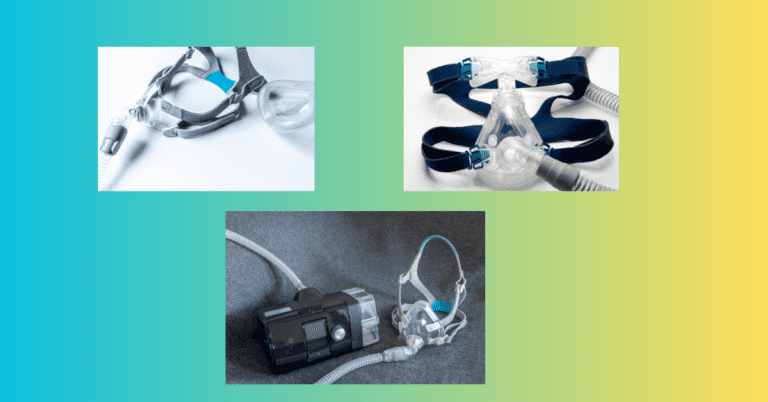
Nasal vs. Full Face CPAP Masks – Which One Is Right for You?

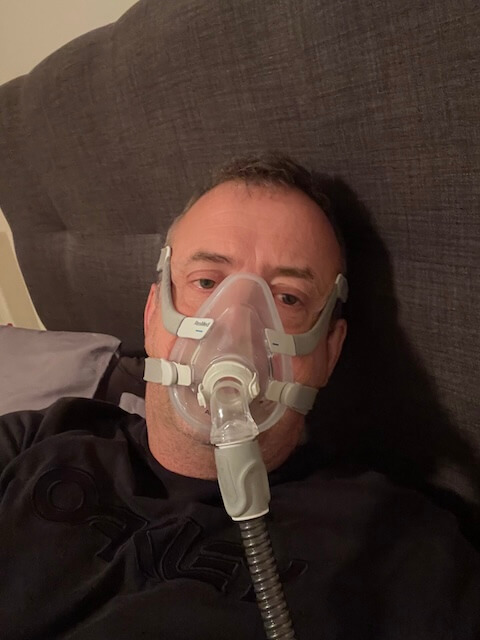
Yes. This is me, yours truly, wearing my full-face ResMed F20 mask!
Choosing your first CPAP mask is the single most important decision you make outside of the diagnosis itself. The machine matters, but the mask is what you actually wear every night. If it’s wrong for your face, your breathing pattern, or how you sleep, the rest of your therapy struggles to keep up.
After more than a decade on CPAP, I’ve watched countless people in support groups bounce between masks for months, sometimes years, before they land on something they can sleep with. Most of that time gets burned on a single fork in the road: nasal mask or full face. Get that decision right, and the rest is fine-tuning. Get it wrong and you spend mornings exhausted, wondering why this expensive piece of equipment isn’t doing what your sleep doctor promised.
I went straight to a full face mask the day I started therapy. I’m a chronic mouth breather and I have allergies, so a nasal mask was never going to work for me. I’ve used the ResMed AirFit F20 ever since. That decision saved me the trial and error phase a lot of new CPAP users get stuck in. It also taught me, by talking to people who chose differently, where each mask style genuinely shines and where it falls apart.
This is not a medical guide. My background is in computer science, not respiratory therapy. What follows is what I’ve learned as a long-term user, supported by guidance from places like the Sleep Foundation and Mayo Clinic. Always confirm with your sleep specialist before changing anything about your therapy.
The Short, Honest Answer
If you breathe through your mouth at night, even occasionally, you almost certainly want a full face mask. Air will leak straight out of your mouth otherwise, and your therapy effectiveness drops. Some people get around this with a chin strap, and it can work, but it’s an extra accessory you’re now relying on every single night to hold a workaround in place.
If you reliably breathe through your nose and you don’t have chronic congestion or a deviated septum, a nasal mask or nasal pillow mask is lighter, less intrusive, and easier to live with.
Sleep position, CPAP pressure, facial hair, and personal comfort all matter, but they’re secondary. Breathing pattern is the fork in the road.
What a Nasal CPAP Mask Is
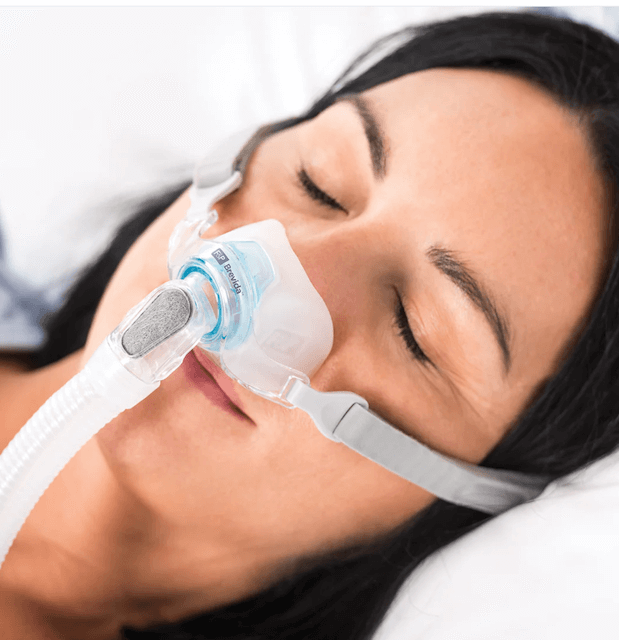
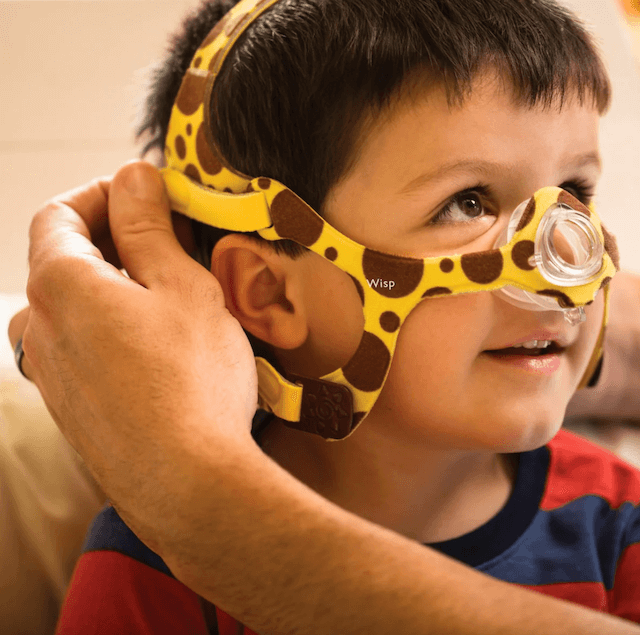
A nasal CPAP mask delivers pressurized air through the nose only. The mouth stays uncovered. Within this category there are two sub-styles that often get confused, and the difference between a nasal pillow mask and a nasal mask matters when you’re choosing.
A traditional nasal mask sits across the bridge of your nose like a small triangular cushion and seals down to just above your upper lip. It covers the entire nose without entering the nostrils. A nasal pillow mask is even smaller. Two soft silicone inserts rest at the entrance of each nostril and create a seal there. Nothing covers the bridge of the nose. The whole assembly weighs almost nothing.
Both styles deliver the same pressurized air. The choice between them comes down to comfort and pressure tolerance.
Who Nasal Masks Suit
Nasal masks work best for committed nose breathers who don’t have chronic sinus issues. They’re a good match for side sleepers because there’s less surface area pressing against the pillow, and a strong choice for people who like to read or watch something before falling asleep, since the mask doesn’t sit in your line of sight. People who wear glasses tend to find them easier to live with. So do people with beards or other facial hair, especially with nasal pillow masks, because there’s less cushion contact with the skin.
If you’ve been prescribed a low to moderate pressure setting, a nasal mask handles it without complaint. If you’re an active sleeper who tosses and turns, the smaller footprint generally stays put better than a full face mask does.
Where Nasal Masks Fall Apart
The single biggest failure mode is mouth breathing. If your jaw drops open during the night and you’re wearing a nasal mask, the pressurized air takes the path of least resistance and exits through your mouth. Your AHI numbers stay high. You wake up with a parched mouth and a sore throat. You blame the machine. The mask was the issue.
Nasal masks also struggle with congestion. Allergy season, a cold, or a deviated septum can effectively wall off the airway the mask is trying to push air into. Nasal pillows in particular don’t tolerate high pressure settings gracefully. The airflow is concentrated into a small area, and at higher prescriptions it can feel like someone is firing a leaf blower up your nose.
What a Full Face CPAP Mask Is

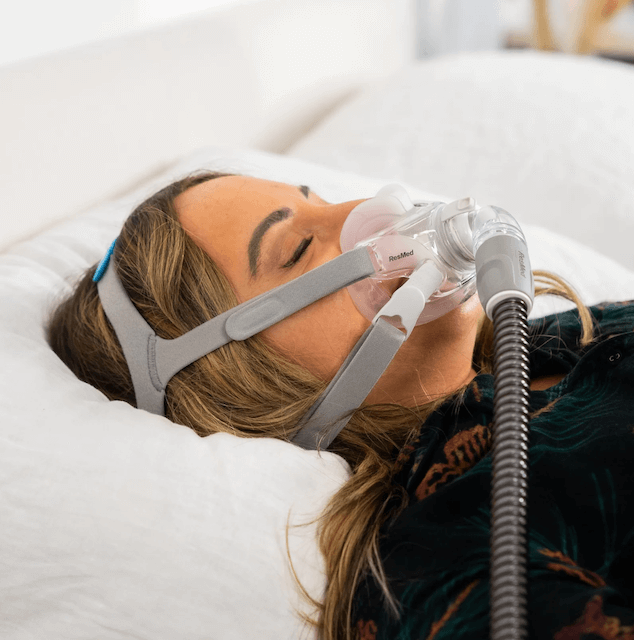
A full face CPAP mask covers both the nose and the mouth, sealing across the bridge of the nose and down below the lower lip. Pressurized air enters through whichever opening you happen to be breathing through at any given moment, which is why it’s the safe answer for mouth breathers and inconsistent breathers.
This is the category I’ve used the entire time I’ve been on CPAP. The AirFit F20 has been my one mask through every season, every cold, every camping trip, and every international flight. I’ve never needed to switch.
Who Full Face Masks Suit
Full face masks are the right call for mouth breathers, people with allergies or chronic nasal congestion, people with a deviated septum, and anyone prescribed a high CPAP pressure. The larger seal area distributes the air more evenly, which feels less aggressive at higher prescriptions than a tiny pair of nasal pillows ever could.
Back sleepers tend to do well with full face masks because there’s less risk of dislodging them against a pillow. People who get a stuffy nose intermittently appreciate that the therapy keeps working when their nose stops cooperating.
Where Full Face Masks Fall Apart
Bulk is the obvious one. Full face masks sit in your field of vision when you’re trying to fall asleep, and there’s more strap, more cushion, and more surface area touching your face. The first week with a full face mask is genuinely strange. I felt like I was wearing a scuba mask to bed.
Side sleepers can struggle. The cushion contacts the pillow, the seal shifts, and you wake up to the unmistakable hiss of air leaking. The fix is usually a CPAP pillow with cutouts that gives the mask somewhere to sit, but it’s another accessory and another adjustment. Some users find full face masks louder than nasal styles because the larger vents move more air.
Mouth Breathing Is the Fork in the Road
Most CPAP newcomers I talk to don’t actually know whether they breathe through their mouth at night. It’s not the kind of thing you observe about yourself. A few signs to look for: a dry mouth or sore throat in the morning, drooling on your pillow, snoring with your mouth open, or a partner who’s noticed it.
If you go with a nasal mask and discover after a few weeks that you’re mouth breathing through it, you’re not stuck. A chin strap is the standard workaround. It holds your jaw closed and forces nose breathing. Some people swear by them. Others find them uncomfortable or ineffective. Various strategies for preventing mouth breathing on CPAP don’t involve adding more equipment, and if you wake up with CPAP dry mouth, that’s often a clue your jaw is defeating your nasal mask.
The Mayo Clinic’s general guidance is that nasal masks paired with humidification or a chin strap are often the first try, and full face masks come into the picture if a month of nose-breathing experiments hasn’t worked. That’s a reasonable framework. It’s also why I went straight to full face. I knew what I was, and I didn’t want to spend a month finding out the slow way.
Sleep Position Matters More Than People Think
Side sleeping is generally the best position for sleep apnea because it keeps the airway open better than lying on your back. Unfortunately, side sleeping and a bulky mask are sometimes at odds.
If you’re a side sleeper, a nasal pillow mask is the friendliest option. The low profile clears the pillow without contact. A traditional nasal mask works too, with the right pillow setup. A full face mask can be made to work, and it works for me, but it generally requires either a CPAP pillow with mask cutouts or careful attention to how your head sits.
Back sleepers can use any mask style without much fuss. Stomach sleepers are the smallest group and the most constrained. Most full face masks press into the face and leak when you’re prone, and even nasal masks can shift. Nasal pillow masks are usually the only realistic option for stomach sleeping.
If you toss and turn a lot, lighter is better.
CPAP Pressure Considerations
The pressure your sleep specialist sets has a real effect on which mask is comfortable. Lower CPAP pressure settings are forgiving. Almost any mask handles them.
Higher prescriptions, generally above the mid-teens, start to expose the limits of nasal pillow masks. The airflow is concentrated into a small area and can feel intense. A traditional nasal mask handles higher pressures better, and a full face mask handles them best of all because the large sealed area distributes the air evenly.
If you’re at a higher pressure and currently on nasal pillows that feel uncomfortable, the mask might be the issue rather than the prescription. Worth raising with your specialist.
The Adaptation Curve
Whichever style you choose, the first week is rough. That’s not a sign the mask is wrong. It’s the price of admission to CPAP therapy.
Falling asleep with anything strapped to your face takes time. Some people manage it on night one. Most don’t. If you’re early in your journey, the experience of overcoming CPAP anxiety when the mask itself starts to feel claustrophobic is more common than people admit.
Give a new mask at least two weeks of consistent use before you decide it isn’t working. The first few nights are noise. The pattern that emerges by week two is signal.
Side-by-Side Comparison
| Factor | Nasal Mask | Full Face Mask |
|---|---|---|
| Best for | Confirmed nose breathers | Mouth breathers and congested users |
| Profile | Small and lightweight | Bulkier, more facial coverage |
| Sleep position | Strong for side sleepers | Strong for back sleepers |
| High pressure tolerance | Less ideal at high settings | Distributes high pressure well |
| Congestion handling | Poor | Strong |
| Field of vision | Mostly clear | Mask sits in view |
| Air leak risk | Smaller seal area | Larger seal area |
| Glasses or reading in bed | Friendly | Less friendly |
Common Mistakes When Choosing
The biggest mistake is picking based on what looks the least intimidating in the box rather than what fits your breathing pattern. The minimalist look of a nasal pillow mask is genuinely appealing. It’s also useless if you mouth breathe.
The second mistake is sizing. Mask sizes vary by brand, and a medium in one product line is not the same as a medium in another. If your mask is leaking, it might be wrong for your face shape rather than wrong as a category. Many CPAP suppliers offer trial periods. Use them.
The third mistake is giving up after a few nights. Adaptation is real. So is the placebo effect of switching too soon, blaming the new mask for poor sleep that was actually caused by something else.
The fourth, and the one I see most often in support groups, is choosing nasal first by default and refusing to consider full face after it doesn’t work. There’s no prize for sticking with the smaller mask.
What I Actually Use
I’ve used the AirFit F20 for the better part of a decade. It seals well on my face, it has gone with me on camping trips, and it has survived being squashed into a backpack on international flights. I have a full review of the F20 if you want the long version.
I’m not saying it’s the right mask for you. I’m saying it’s been the right mask for me, and I came to it not by trialing fifteen options but by being honest about my breathing pattern from day one. If I were starting CPAP today as a confirmed nose breather with no congestion, I’d probably try a nasal mask first. I’m not, so I didn’t.
For specific product picks within each category, I have separate roundups for the best CPAP masks overall, best nasal masks, and best full face masks. Those are better resources for “which model” questions than this article, which is about which category.
Frequently Asked Questions
Can I use a nasal mask if I sometimes breathe through my mouth?
You can, with a chin strap to hold your jaw closed. Some people do this successfully for years. Others find the chin strap uncomfortable enough that switching to a full face mask is easier. If you’re going to fight the chin strap every night, you’ve added friction to a therapy that needed less friction, not more.
Which mask style is better for high-pressure prescriptions?
Full face masks generally handle higher pressures more comfortably because the seal area is larger and the airflow is distributed across more surface. Nasal pillow masks are the worst match for high pressure because the airflow is concentrated into the smallest possible area.
Can I switch between mask styles depending on the night?
Some users do. A nasal pillow mask for normal nights and a full face mask for nights when allergies have closed up the nose, for example. It’s not common, and it does mean owning and maintaining two masks, but it’s a reasonable approach if your situation changes night to night.
How long should I trial a mask before deciding it isn’t working?
At least two weeks of consistent use. The first three or four nights are almost always rough regardless of mask choice. By the end of week two, you should have a clear sense of whether the issue is adaptation or genuine mismatch.
Final Thoughts
The right mask is the one you actually wear all night. That’s it. Comfort beats specs, and adherence beats theory.
If you’re a confirmed mouth breather, allergic, congested, or prescribed high pressure, full face is the safer starting point. If you’re a clear nose breather without congestion who values minimal contact and easy reading in bed, a nasal mask or nasal pillow is worth trying first.
The worst outcome isn’t picking the “wrong” category. The worst outcome is buying a mask, struggling for two weeks, abandoning CPAP, and going back to the fatigue you started with. Pick a starting point, give it a fair trial, and switch if you need to. Talk to your sleep specialist. Use the trial periods your supplier offers. The right mask is out there.
If you have questions or want to share what worked for you, leave a comment below.
⚠️ MEDICAL DISCLAIMER This blog provides general information only and is not a substitute for professional medical advice, diagnosis, or treatment. Sleep apnea is a serious condition, and CPAP equipment should be used under proper medical supervision. Always consult your doctor or sleep specialist before starting, stopping, or changing any therapy. I share personal experiences as a CPAP user, not as a medical professional. Individual results vary. For medical guidance, please consult a qualified clinician or the American Academy of Sleep Medicine (aasm.org).