Bongo Rx EPAP Review: A Look at the Nasal CPAP Alternative

“This post contains affiliate links. I may earn a commission if you buy through these links, at no extra cost to you. Read my Disclaimer for more details.”
I need to start this review with a disclosure, because the alternative would be misleading you.
I have never used the Bongo Rx. I do not qualify to use it. My obstructive sleep apnea is severe, and my AHI at diagnosis was 51, well above the 30 ceiling where Bongo Rx is clinically appropriate. I am also a chronic mouth breather, and the Bongo Rx is built for people who breathe through their nose during sleep. By any reasonable reading of the manufacturer’s guidance, this device is not for someone like me, and pretending otherwise to write a glowing first person review would be dishonest and useless to you.
What I have done is read the clinical literature, the FDA clearance details, the manufacturer documentation, and a meaningful number of user accounts. I have spent more than a decade on CPAP therapy with a ResMed AirSense 10 and a full face mask, I write about sleep apnea for a living, and readers ask me about Bongo Rx often enough that a careful research piece feels overdue. So this is that piece: a buyer’s guide rather than a first person review, written by a long term CPAP user who knows the territory but is not the target patient. My background is computer science, not medicine, and nothing here is medical advice. Use it as a starting point for a real conversation with your sleep physician.
I touched on Bongo briefly on my page covering alternative treatments for sleep apnea. This is the deeper dive that piece pointed toward.
What the Bongo Rx Actually Is
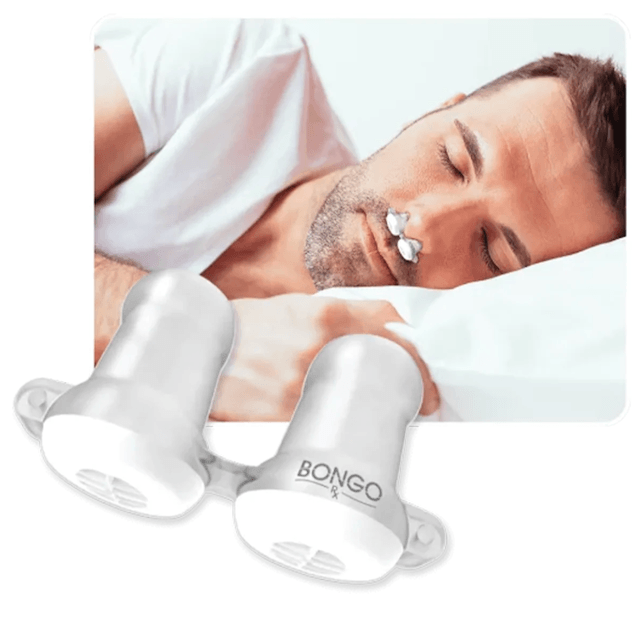
The Bongo Rx is a small, reusable, prescription EPAP device made by AirAvant Medical. EPAP stands for expiratory positive airway pressure. Where a CPAP machine pushes pressurized air into your airway continuously through a hose and mask, an EPAP device works in the opposite direction. It uses your own exhaled breath to create resistance, and that resistance produces back pressure that helps keep the airway open until the next inhalation.
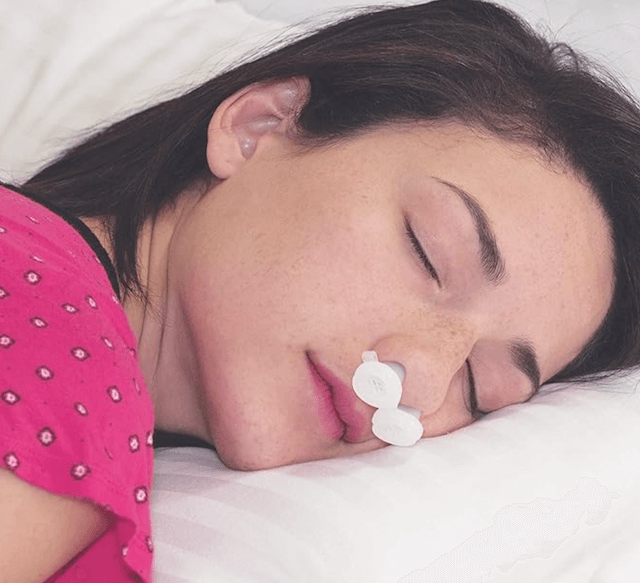
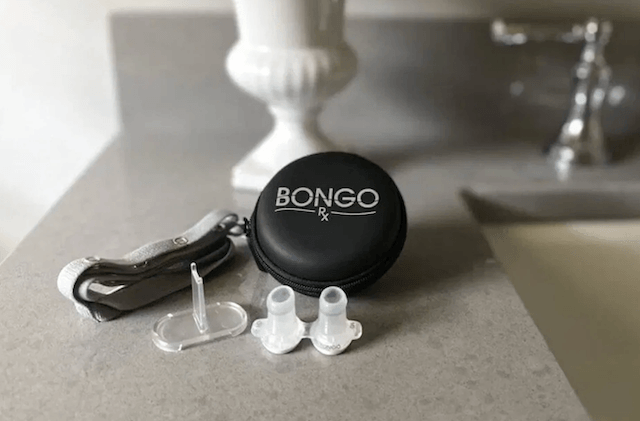
Physically, the Bongo Rx is a pair of soft silicone nasal seals connected at a central piece, with a small valve mechanism inside each seal. It sits in your nostrils, optional adjustable headgear can hold it in place for people who toss and turn, and that is essentially the whole product. No tubing. No mask. No motor. No power source. No water chamber. It fits in your pocket and is reusable for up to 90 days per cushion set with proper cleaning.
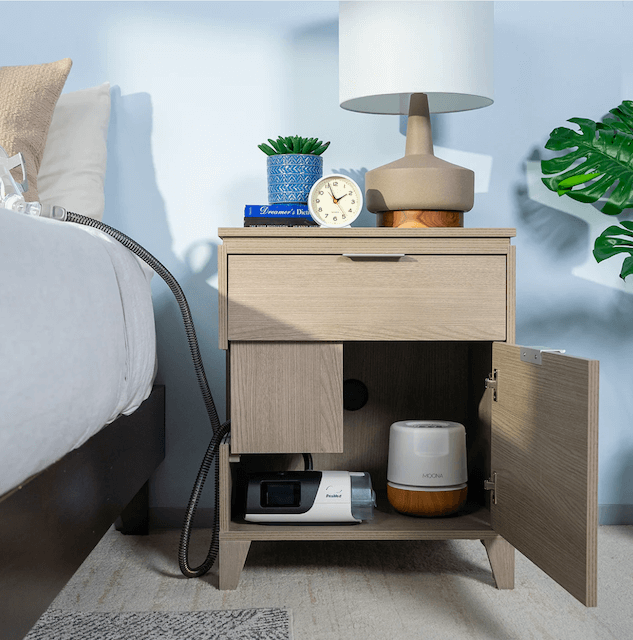
For people who have struggled with CPAP, particularly the bulk and the equipment and the noise, the simplicity is part of the appeal. For frequent travelers, the size and the lack of any electrical requirement is a real practical advantage. I have hauled my CPAP through more international airports than I would have liked and have written about camping with a CPAP more than once. A pocket-sized device that requires no power is a meaningfully different proposition.
How EPAP Works at the Airway
The mechanics are worth understanding because they explain both why EPAP works for some people and why it does not work for others.
When you inhale, small valves inside the Bongo Rx open, letting air flow into your nostrils with minimal resistance. When you exhale, those valves close partially and direct the exhaled air through narrow vent holes. That redirection creates resistance against exhalation, which raises the pressure in your upper airway during the expiratory phase of breathing. The increased pressure acts as a pneumatic splint, holding the soft tissues at the back of the throat open just enough to delay or prevent the collapse that defines an apnea event.
There are two important things to notice about this mechanism. First, the pressure is generated only when you exhale, and only by your own breathing. There is no constant pressure floor the way a CPAP machine maintains. Second, the device relies entirely on nasal breathing. If you open your mouth while sleeping, the exhaled air takes the path of least resistance and bypasses the device entirely, and any therapeutic effect disappears with it.
That second point is the single largest reason this device is wrong for me. A full face mask is the only mask I have ever used because mouth breathing makes anything else leak. For a dedicated nose breather, that limitation does not exist. But you have to know which one you are before you commit, and many people genuinely do not know until they try to sleep with a nasal device.
FDA Clearance, Clinical Evidence, and What the Numbers Actually Show
The Bongo Rx is an FDA cleared Class II medical device for the treatment of mild to moderate obstructive sleep apnea in adults weighing more than 66 pounds (30 kg). It is prescription-only, which is a legal requirement for any device intended to treat sleep apnea in the United States, not just a marketing posture.
AirAvant ran clinical testing as part of the FDA submission, and the headline result was a statistically significant reduction in apnea-hypopnea index compared with each patient’s baseline diagnostic study, with no serious adverse events reported. That is genuine evidence of efficacy in the patient population the device is cleared for, which is the right way to read it.
The wider EPAP literature is consistent with that picture but with important caveats. The Sleep Foundation describes EPAP therapy as a newer alternative to CPAP that uses nasal valves to create exhalation pressure, with results that vary substantially between patients. Earlier published reviews of EPAP devices, going back to the original Provent research, have generally found AHI reductions in patients who are appropriate candidates, along with patient preference scores that tend to favor EPAP over CPAP because of the dramatically simpler form factor. The honest qualifier in the literature is that the well designed long term trials are limited in number and size, and predicting who will respond strongly to EPAP and who will not remains an open question.
This is also why most major insurance carriers still classify nasal EPAP devices as experimental or investigational for obstructive sleep apnea coverage, even though the FDA clearance has been in place for years. Insurance and clinical effectiveness are not the same thing, but the conservative coverage posture reflects genuine uncertainty about which patients benefit most.
For a refresher on how AHI severity gets categorized in the first place, my page on the apnea-hypopnea index explains what mild, moderate, and severe actually mean clinically.
Who Qualifies, and Who Should Look Elsewhere
The candidacy criteria for Bongo Rx are unusually clear for a sleep apnea device, and they matter.
You may be a reasonable candidate if you have been diagnosed with mild to moderate obstructive sleep apnea, your AHI is below 30, you are an adult weighing at least 66 pounds, you primarily breathe through your nose during sleep, you do not have significant cardiopulmonary comorbidities, and you have either struggled with CPAP, cannot access CPAP, or want to try a simpler first line option with your sleep physician’s blessing. Newly diagnosed patients with mild OSA and no significant other health conditions fit this profile most cleanly. So do people who are doing well on CPAP at home but want a small, packable backup for travel.
You should look elsewhere if your AHI is above 30, which puts you in the severe range where Bongo Rx is not recommended. You should also look elsewhere if you are a habitual mouth breather, if you have nasal anatomy that makes a comfortable seal impossible, or if you have significant comorbid cardiovascular or pulmonary conditions where leaving even moderate apneas inadequately treated carries real risk.
My situation falls into multiple disqualifying categories. My AHI at diagnosis was 51, severe by any definition, and I am a chronic mouth breather. CPAP works for me, my numbers are well controlled, and there is no clinical reason to experiment. The closer your situation is to mine, the less relevant Bongo Rx is to you. The further it is, the more this device is worth a conversation with your doctor.
The Three Sleep Doctor Kits and What Each One Is For
Sleep Doctor sells the Bongo Rx through three different kit configurations. Knowing which one fits where in the lifecycle matters because buying the wrong one first is a common source of frustration.
The Bongo Rx Starter Kit is what almost everyone should buy first. It includes one of each available cushion size, the optional headgear, a travel case, and a drying stand. The reason for the all sizes approach is that nasal anatomy varies more than most people expect, and the manufacturer recommends trying each size before settling on your final fit. You may find that the medium is comfortable but the small actually seals better, or the other way around. The starter kit is also the option that comes with a free virtual consultation to obtain a prescription if you do not already have one, which removes one of the friction points that has historically held people back from trying EPAP devices.
The Bongo Rx 90-Day Kit is the replacement option for users who have already gone through the starter kit, know their size, and need fresh cushions. The manufacturer recommends replacing the silicone cushions every 90 days for hygiene and to maintain valve performance. This kit is what you reorder if you use the device occasionally, for travel for example, or if you simply want to replenish one cushion at a time.
The Bongo Rx Annual Kit is the long-term resupply option for a regular nightly user. It includes four cushions in your chosen size, which works out to one cushion per quarter for a year of consistent use, along with the headgear, drying stand, and travel case. If Bongo Rx is your primary therapy or your steady backup, this is the more economical resupply path than reordering 90-day kits four separate times.
A practical note on all three: federal law requires a valid prescription before any of these can ship to you in the United States. Sleep Doctor includes a free virtual consultation with the starter kit purchase, which streamlines the process if you do not already have a prescription on hand. If you do have one, you can upload it after checkout.
The Cost Reality
Bongo Rx is rarely covered by commercial health insurance, which classifies it as experimental for obstructive sleep apnea reimbursement purposes. That is the honest situation, and it is unlikely to change soon. There are three meaningful exceptions worth knowing about.
First, the Bongo Rx is covered for eligible veterans through the Department of Veterans Affairs, which is a significant point for VA-enrolled readers. Second, the device is generally eligible for purchase using FSA and HSA accounts because it is a prescription medical device, which effectively gives you a pre-tax pathway to pay for it. Third, the per-night cost over a year of use is usually competitive with mask consumables on a CPAP, since you are not also paying for the underlying machine.
For a newly diagnosed reader with mild OSA who has not yet bought any equipment, the all in first year cost of trying Bongo Rx is meaningfully lower than CPAP, although the lifetime cost picture flips if you wear it every night for years. None of this should drive a clinical choice, but it is fair context for the decision.
What Real Users Tend to Report
The user feedback I have read across retailer reviews, sleep apnea forums, and clinical follow-up notes lines up reasonably well with what the trial data and the manufacturer say.
People who fit the candidacy profile and stay consistent often report meaningful reductions in snoring volume, fewer awakenings during the night, improved partner sleep, and reduced morning fatigue. Some report visible improvement in oxygen saturation trends on wearables like the Apple Watch or pulse oximetry rings, though wearable data is not a substitute for a proper follow-up sleep study.
The most common complaints I have seen are an adjustment period of several nights to a couple of weeks where exhaling against the resistance feels effortful, mild nasal irritation or dryness at the contact points, and difficulty keeping the device seated for restless sleepers, which is what the optional headgear is intended to solve. A small number of users describe trying Bongo Rx after Provent was discontinued and finding the experience comparable, which makes sense given the underlying mechanism is the same.
The people who report poor results tend to share one of a few traits: they were outside the AHI 30 ceiling and trying it anyway, they were unrecognized mouth breathers, or they had anatomical issues that prevented a good seal. None of those are flaws in the device. They are signs the device was being asked to do work it was never designed for.
How It Compares to the Other Major Alternatives
Putting Bongo Rx in context with the rest of the alternative treatment landscape is helpful, because EPAP is rarely the only option a candidate is weighing.
Compared with a mandibular advancement device, Bongo Rx is much cheaper to start, requires no dental fitting, and works on a different mechanism. MADs hold the lower jaw forward to enlarge the airway, while EPAP creates exhalation back pressure. For mild OSA, both are reasonable first-line alternatives if CPAP is not the right fit, and many sleep physicians will consider them roughly equivalent in efficacy for the right patient.
Compared with positional therapy, Bongo Rx works regardless of how you sleep, while positional therapy works only if your apnea is significantly worse on your back. Patients with positional OSA who are nose breathers and have mild disease sometimes do well combining the two.
Compared with surgery or implanted hypoglossal nerve stimulation, Bongo Rx is reversible, low risk, and requires no recovery time. It is also less reliably effective for people who would meet the criteria for surgical intervention in the first place, which usually means more severe disease.
Compared with simply continuing untreated, there is no comparison. Untreated obstructive sleep apnea, even at the milder end, carries cardiovascular, metabolic, and neurocognitive risks that accumulate quietly over the years. If CPAP is not working for you and you have not seriously explored alternatives, an EPAP device is one of the easier doors to walk through.
What I Would Want a Reader to Take Away
If you have mild to moderate obstructive sleep apnea, you breathe through your nose at night, you have either tried CPAP and could not sustain it or you are looking for a simpler first line option, and your sleep physician supports the idea, Bongo Rx is one of the few FDA cleared EPAP devices left on the market. Provent, the device that defined the category for years, was discontinued in 2020, and the last manufactured batch expired in 2023. That leaves a smaller field of options than there used to be, and Bongo Rx is the most widely distributed of what remains.
If you have severe sleep apnea like I do, if you breathe through your mouth at night, if you have significant cardiovascular or pulmonary comorbidities, or if your sleep physician has clear reasons to put you on CPAP or another more aggressive therapy, Bongo Rx is not the right tool and trying to use it as a substitute will not end well. Look at this device the way it is designed to be looked at: a real option for the right patient, not a universal CPAP replacement.
I am not your patient profile, and I am not the right person to wear this device night after night and report back to you. But I have done the research, I know the equipment landscape, and I can tell you with confidence that Bongo Rx is a legitimate, FDA cleared, clinically tested option for the patients it was built for. Whether that includes you is a conversation for your sleep doctor.
If you are still mapping out where you sit in the broader treatment options, my page on overcoming CPAP anxiety covers some of the reasons people end up looking at alternatives in the first place, and my pieces on mouth breathing and the prescription process cover two of the practical gates between you and any of these devices.
⚠️ MEDICAL DISCLAIMER This blog provides general information only and is not a substitute for professional medical advice, diagnosis, or treatment. Sleep apnea is a serious condition, and CPAP equipment should be used under proper medical supervision. Always consult your doctor or sleep specialist before starting, stopping, or changing any therapy. I share personal experiences as a CPAP user, not as a medical professional. Individual results vary. For medical guidance, please consult a qualified clinician or the American Academy of Sleep Medicine (aasm.org).