Best Sleep Positions to Prevent CPAP Strap Marks


This is me. Real face, real morning, real strap marks from my CPAP mask.
If you wake up with red indentations carved into your cheeks, the bridge of your nose, or under your jaw, you already know the awkwardness. You shower, you eat breakfast, you head out the door, and somewhere around mid morning the lines finally fade. On a workday when there’s a meeting first thing, that timing is brutal.

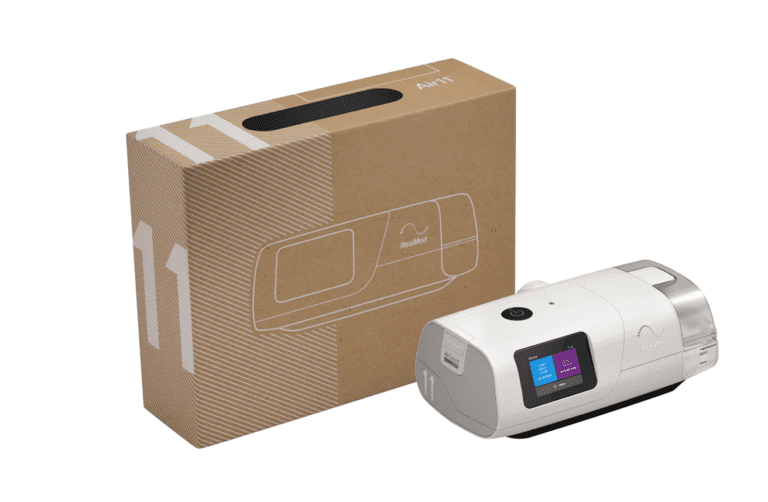
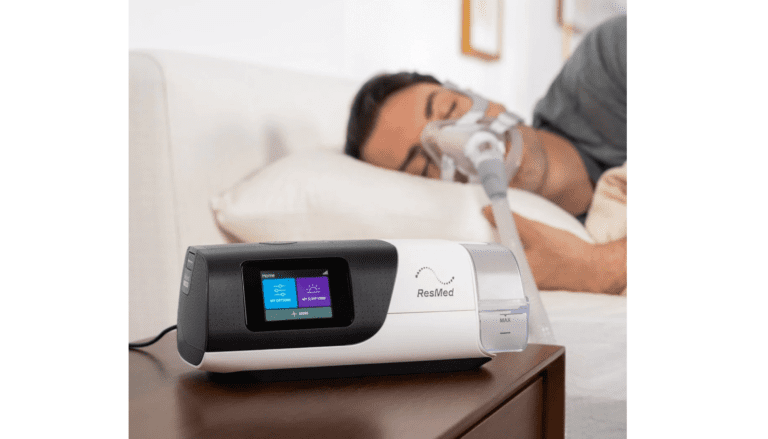
I have used a ResMed AirSense 10 with a full face mask for more than a decade. I am a chronic mouth breather, which means a nasal pillow or nasal cradle has never been an option for me. The full face mask sits across the bridge of my nose, runs along both cheeks, and wraps under my jaw. That is a lot of silicone and fabric resting on skin for seven or eight hours a night. The marks are real. They are also manageable.
The fastest lever you can pull is sleep position. The next fastest is strap tension. Beyond that, there are smaller adjustments to mask fit, headgear age, skin prep, and accessories that all stack up. This post walks through each of them, with honest notes about which levers I have personally pulled and which ones are general guidance for the wider full face mask community.
A quick note before we start. I write about my experience as a long-term CPAP user. My background is in computer science, not medicine. If you are dealing with persistent skin irritation, pressure sores, or anything that looks more serious than a fading red line, please talk to your sleep doctor or GP rather than relying on a blog post.
Why CPAP Strap Marks Happen in the First Place
Strap marks are not really about the straps in isolation. They are about pressure applied to a small surface area of skin for a long stretch of time. The mask cushion creates a seal against your face, the headgear holds the cushion in that position, and your skin sits underneath, taking the load all night.
Three forces are at work. The first is compression. Your straps need to be tight enough to keep the cushion sealed against pressurized air. If they are even slightly tighter than that, the extra pressure has nowhere to go except into your skin. The second is friction. Every time you shift in your sleep, the mask shifts a fraction with you. Over hours, that rubbing accumulates. The third is moisture. Trapped sweat and humid breath soften the top layer of skin and make it more vulnerable to indentation and irritation. The Sleep Foundation covers this combination in detail in its guide to CPAP pressure sores, which is worth reading if your marks are progressing past redness into anything that looks like a sore.
Most morning lines are harmless and fade within the first hour after you take the mask off. The goal of the rest of this post is to shorten that fade time, reduce how deep the marks go in the first place, and stop the worst of it before your skin starts to break down.
The Sleep Position That Causes the Fewest Marks
Back sleeping is the gentlest position for a CPAP mask. The reason is simple. When you sleep on your back, gravity is pulling the mask straight down into the front of your face, but the only thing pressing back is the headgear strap behind your head. Your pillow is not adding extra pressure into the side of the cushion. The mask sits where it was designed to sit. The cushion seals more easily, which means you can often get away with looser straps than a side sleeper needs.
For a full face mask user like me, this matters more than it does for nasal pillow users. The full face cushion is larger and rests on more square inches of skin, so any extra pressure from a pillow squashed against the side of the mask gets distributed across cheeks, jaw, and the bridge of the nose all at once. Back sleeping takes that whole problem off the table.
The catch is that back sleeping is a learned skill for a lot of people. If you have always been a side sleeper, your body will try to roll. Some readers I have heard from use a body pillow on either side as a soft barrier, or wedge a regular pillow against their lower back so rolling becomes uncomfortable enough to discourage. Others raise the head of the bed slightly using a wedge or an adjustable base, which has the side benefit of being recommended for people with sleep apnea generally. The Cleveland Clinic, AASM patient education materials, and most sleep doctors will tell you that sleeping flat on your back can actually worsen positional apnea for some people, while a moderate head elevation can help. So if you are going to commit to back sleeping for the sake of your skin, raising the head end a few inches is a reasonable companion change.
If you want to dig deeper into the apnea side of the position question rather than just the skin side, I have a longer post on the best sleeping position for sleep apnea.
Side Sleeping Without Wrecking Your Cushion
Side sleeping is where most full face mask wearers get into trouble. The pillow presses directly into the side of the cushion. That extra force shoves the silicone deeper into your cheek on the down side, and the strap on that side gets cranked harder into your skin to compensate. By morning you have a deeper crease on one cheek than the other, and the cushion itself starts to deform over time because it is being pushed sideways every night.
There are a few things that help.
The first is pillow choice. A regular pillow is too thick and too uniform. The mask collides with the pillow before your head does, which pushes everything sideways. CPAP pillows are shaped with cutouts along the sides, so when you roll onto your side, the mask drops into the cutout instead of meeting the pillow surface. This is the single most effective accessory change you can make for side sleeping with a full face mask. I have not written this post as a review of one specific pillow because the right shape depends a lot on your head size, your shoulder breadth, and which mask you wear, but I have rounded up the options I think are worth looking at in my guide to the best CPAP pillows.
The second is rotation. If you sleep on your side and never switch, the same cheek takes the same pressure every single night. Even a partial switch through the night, alternating sides every couple of hours when you stir, evens out where the marks land. You will not eliminate them this way, but you will avoid the lopsided look of one cheek getting it worse than the other.
The third is mask fit. A side sleeper needs a slightly different fit balance than a back sleeper. The strap on the side that ends up against the pillow has to handle the extra pressure of the pillow pushing the cushion. If your mask leaks the moment you turn onto your side, you almost certainly need a different cushion size rather than tighter straps. Overtightening to stop a leak when you turn onto your side is the single most common mistake I see people make, and it goes directly to deeper marks.
The Stomach Sleeper Problem
I will not pretend stomach sleeping with a full face mask is a fixable situation. The geometry is just wrong. Your face is pressed into a pillow, the mask is sandwiched between your face and the pillow, and there is no version of strap tension that does not cut into your skin. Most full face mask reviews quietly mention this. ResMed’s own fitting guidance for the AirFit F20 assumes back or side sleeping.
If you are committed to stomach sleeping, the only honest options are to switch to a different mask category, like a nasal pillow with the hose connecting at the top of the head, or to retrain yourself to side sleeping using body pillows and patience. Mask categories aside, even pillow choice matters less than the fundamental position problem. If switching mask types is something you are considering, I have a comparison of nasal versus full face masks and a separate roundup of the best CPAP masks for mouth breathers, since the mouth breathing question is the one that keeps people like me locked into full face territory.
Strap Tension Is Where Most People Get It Wrong
The instinct is to crank the straps down until the mask cannot possibly leak. This is wrong, and it is the single biggest preventable cause of strap marks I have seen across years of reading other CPAP users’ posts on forums and Reddit.
A correctly fitted CPAP mask should feel almost loose when you put it on without the machine running. The seal does most of the work once the air pressure begins. Pressurized air pushes the cushion gently outward against your skin from the inside, which is why you can get away with much less strap tension than you think.
The test I use is simple. Put the mask on, turn the machine on, lie down in your usual sleep position, and run a finger along the cushion edge. If there is no whistle of air and no breeze on your fingertip, the seal is good. If the cushion is leaving a deep impression on your skin within five minutes, the straps are too tight, not too loose.
The top and bottom straps on a full face mask serve different jobs. The top strap controls how the mask sits across the bridge of your nose. The bottom strap controls how the cushion sits under your jaw. If you adjust them as a pair, like a single bigger strap, you will end up overtightening one or both. Adjust them independently. Loosen the top strap if you are getting marks on the bridge of your nose, and loosen the bottom strap if the worst marks are along your jaw or under your chin.
When Your Headgear Is Just Tired
CPAP headgear is fabric and elastic. It stretches over time. After about a year of nightly use, the stretchiness is gone, and you cannot get a good seal at the tension you used to use, so you keep tightening. The straps feel like they need to be at the maximum just to stop leaks. At that point you are not solving a fit problem, you are solving a worn-out gear problem with the wrong tool.
Most sleep equipment suppliers recommend replacing headgear every six months. Mask cushions get replaced even more often than that, usually every one to three months depending on your insurance or supply schedule. If you have not replaced either in a while and your strap marks have been getting worse, replace the headgear first. The difference is usually obvious within a few nights.
Strap Covers and Mask Liners
This is one of the categories where I want to be honest about the limits of my personal experience. I have not made strap covers or mask liners part of my own routine. What I can do is summarize what the products are, what they are designed to do, and what the general guidance says about when they help.
Strap covers are fleece or soft fabric sleeves that wrap around the headgear straps where they cross the cheeks and jaw. They do not change how tight the strap is. What they do is spread the contact area slightly and reduce friction against skin, especially the kind of friction that happens when your face shifts against the strap during sleep. For users who get red lines specifically from the strap edge rather than from the cushion itself, strap covers can soften the line. If you want to look into the options, I have a roundup of the best CPAP strap covers.
Mask liners are a different product. They are thin, soft fabric layers placed between the silicone cushion and your skin. The Sleep Foundation specifically calls out mask liners as one of the accessories that can help reduce friction and irritation. They are not a fix for marks caused by overtightening, but they can help with the irritation that builds up when sweat, oil, and silicone contact each other for hours. Some users also report that liners help maintain a seal as the silicone wears. My roundup of the best CPAP mask liners walks through what to look for. If your skin gets red in patches rather than in clean strap lines, a liner is probably more relevant to your situation than a cover.
A third related option is a barrier cream or skin protectant designed to sit under a CPAP mask. These are not the same as a regular moisturizer, which can actually break down silicone over time. If you go this route, look for a product designed for CPAP use or ask your supplier what they recommend.
What About Your Pillow?
The pillow argument is really two arguments stacked together. The first is whether you should be using a CPAP pillow. The second is whether a pillow alone can solve the strap mark problem.
A CPAP pillow with cutouts is the most useful piece of bedroom gear a side sleeper with a full face mask can own. That is the case I am willing to make broadly. The geometry simply works better than a flat or round pillow that has no provision for the mask. Back sleepers benefit too, but the difference is smaller because the mask does not get pressed sideways from a back position.
A pillow alone will not solve the strap mark problem if your straps are too tight, your headgear is worn out, or your mask cushion is the wrong size. It will help, but it is not the whole answer. Treat it as one lever among several, not the magic fix.
When Marks Are Telling You Something Bigger
Most strap marks are cosmetic. Some are not. Lingering redness that does not fade within an hour, skin that feels hot or tender to the touch, an open sore, or any signs of infection like swelling or discharge are not a mask problem to solve with a softer pillow. They are a medical question, and they need attention from your doctor or your sleep clinic.
Contact dermatitis, where your skin reacts to the silicone or to trapped moisture, is also more common than people expect. If you have eczema or sensitive skin in general, you are more vulnerable to this. The Sleep Foundation pressure sores guide covers both the dermatitis side and the pressure ulcer side, and the basic message is the same: do not ignore skin that is not healing.
If your straps are leaving marks because of a fit problem you cannot solve with adjustment, the answer might be a different mask cushion size, a different mask in the same product line, or a different style of mask entirely. None of those are failures on your part. CPAP masks are not one size fits all, and getting the right fit is a process most users go through.
What Realistic Improvement Looks Like
I want to set honest expectations. If you are a side sleeper using a full face mask, you are not going to get to zero marks. The geometry will not allow it. What you can reasonably expect, with the levers I have walked through, is:
Marks that fade within thirty to sixty minutes of taking the mask off in the morning rather than lingering past lunchtime. Lines that are pink rather than red, and shallow rather than indented. A pattern that is roughly symmetric across both cheeks rather than badly worse on the side you sleep on. Skin that stays comfortable rather than feeling raw or burning.
Getting there usually means a combination of better strap tension, a CPAP pillow if you side sleep, replacement headgear when the elastic dies, and either liners or covers if your skin is sensitive. Picking one of those in isolation will give you a partial improvement. Stacking them tends to be where the real change happens.
I have a more general guide to preventing CPAP mask lines that covers some adjacent territory, including skin prep before bed and morning recovery. The two posts overlap deliberately because they answer slightly different questions.
A Few Things to Take Away
Back sleeping is the position that produces the fewest marks. If you can adapt, do.
Side sleeping is workable with a CPAP pillow and a fit that does not depend on overtightened straps.
Stomach sleeping with a full face mask is more or less unfixable on the strap mark side. Either change the mask category or work on changing the position.
Overtightening is the most common preventable cause of marks. Treat the straps as something the air pressure helps hold in place, not something that has to do all the sealing work itself.
Worn headgear and worn cushions force you to overtighten without realizing it. Replace them on a sensible schedule.
If your marks are not fading, are getting deeper, or are showing signs of skin breakdown, that is a medical question.
⚠️ MEDICAL DISCLAIMER This blog provides general information only and is not a substitute for professional medical advice, diagnosis, or treatment. Sleep apnea is a serious condition, and CPAP equipment should be used under proper medical supervision. Always consult your doctor or sleep specialist before starting, stopping, or changing any therapy. I share personal experiences as a CPAP user, not as a medical professional. Individual results vary. For medical guidance, please consult a qualified clinician or the American Academy of Sleep Medicine (aasm.org).