ResMed AirFit F20 Review: Comfort, Fit, and Performance

“This post contains affiliate links. I may earn a commission if you buy through these links, at no extra cost to you. Read my Disclaimer for more details.”
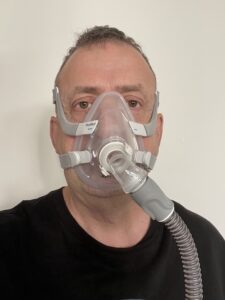
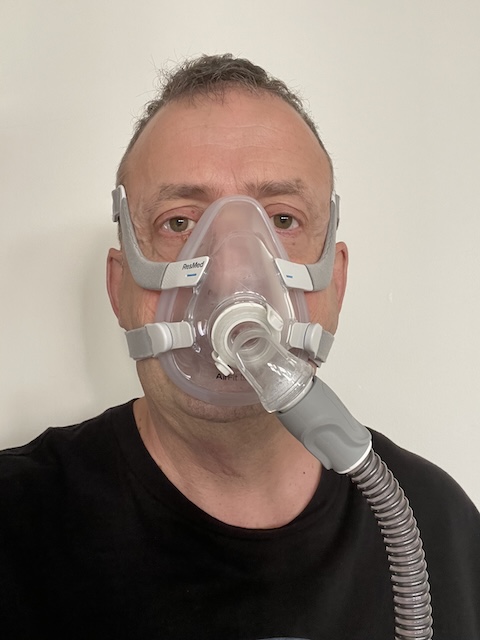
That is not a flattering photo of me, but it is honest. This is what the mask looks like on a normal face on a normal night.
The ResMed AirFit F20 is the only CPAP mask I have ever worn. I have used it for the better part of a decade, every night, with my ResMed AirSense 10 at home and with my ResMed AirMini when I travel. So this review is not a side-by-side test or a survey of the market. It is one long-term user telling you what the F20 has actually been like to live with.
If you are a mouth breather or you have been told a nasal mask will not give you a reliable seal, the F20 belongs on your short list. I picked a full face mask the moment I was diagnosed with obstructive sleep apnea, because I knew I slept with my mouth open. I have never seen a reason to switch.
Why a full face mask for mouth breathers
A full face mask covers both the nose and the mouth, which is exactly what you want if your jaw drops open in your sleep. Nasal and nasal pillow masks rely on you keeping your mouth closed all night, which is a tall order for some of us. The Mayo Clinic notes that full face masks are a good choice if you breathe through your mouth or have nasal congestion that makes nose breathing difficult. That is the camp I fall into, and it is the main reason the F20 has worked for me from the start.
If you are still trying to figure out which mask style suits you, my broader CPAP mask guide walks through the main categories.
Overview of the ResMed AirFit F20
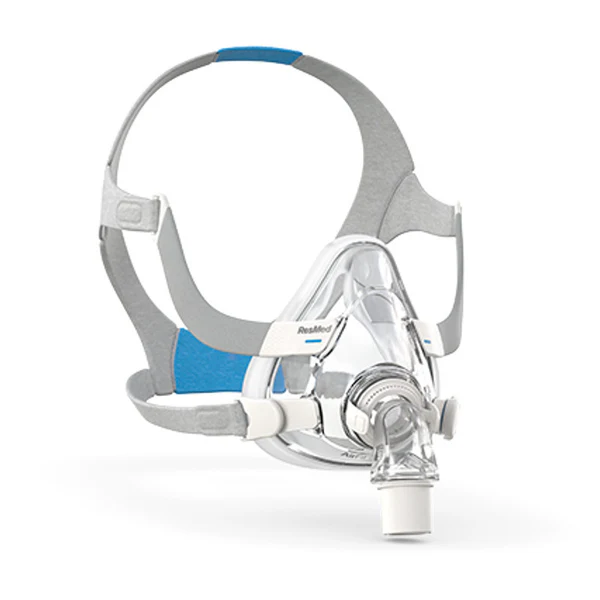
The AirFit F20 is part of ResMed’s AirFit range. The cushion is silicone, the design covers nose and mouth, and the frame uses an under the eye style with no forehead support. That last detail matters more than it sounds. Older full face masks ran a strap and a support pad up the bridge of the nose and across the forehead, which is a lot of hardware on your face. The F20 keeps things lower, which makes the mask less claustrophobic to wear and gives you a clearer line of sight if you like to read in bed.
The seal comes from ResMed’s InfinitySeal cushion, which is built to maintain a seal across a range of pressures and face shapes. ResMed reports the design fits about 97 percent of wearers in their own testing. That is marketing language, but it does line up with how easy this mask is to recommend to someone who does not know where to start.
If you are ready to buy, Sleep Doctor is the retailer I partner with for this mask.
What it is actually like to wear
Here is what I can tell you after years of wearing the F20 every night.
The seal is reliable. I do not have recurring leak problems. If I shift onto my side, the cushion stays put. If I roll onto my back, same thing. Leaks happen occasionally, the way they happen with any mask, but the F20 has never been a piece of gear I fight with. When a leak does show up in my CPAP data, it is almost always because the cushion is due for replacement or I have rushed putting the mask on.
The cushion itself is soft silicone. I have never used the memory foam version (the AirTouch F20) or any of the other variants, so I cannot tell you how those compare. I run the standard silicone cushion in the large size, and it has been comfortable enough that I forget the mask is on within a few minutes of lights out.
The headgear is padded and adjusts at four points using Velcro straps. The clips at the lower headgear are magnetic, which is the single feature I would miss most if I ever changed masks. You can find the clip and attach it in the dark without thinking, which matters when you take the mask off in the middle of the night for a bathroom run. There is no fumbling.
The mask is also quiet. ResMed lists the exhaust vent at 21 decibels. I have not measured that myself, but the practical proof is that my wife sleeps through it. She has never complained about noise from the mask, full stop. That is a real test, and the F20 passes it.
Using it with the ResMed AirMini

The F20 is compatible with the ResMed AirMini, which is the travel CPAP I use when I am away from home. The two are designed to work together with a small setup pack that includes a HumidX F20 cartridge for waterless humidification. The cartridge sits inline near the mask and pulls moisture from your own exhaled breath, which means you do not need to pack distilled water for a trip.
This was the reason I bought the AirMini in the first place. I had a European vacation coming up, and hauling the AirSense 10 and a bottle of distilled water across multiple flights and a few different hotels was not realistic. Knowing I could keep the same mask I was used to, and just swap the machine, made the AirMini an easy purchase.

The photo above is from that trip. No prizes for guessing which country.
Sizing and fit
The standard F20 comes in small, medium, and large. ResMed publishes a printable sizing guide and a measurement method that involves measuring from the bridge of your nose to the indent of your chin. I wear the large. If you are between sizes, the practical advice is to go to a CPAP shop and try a few on, or order from a retailer with a return policy so you can swap if the first size does not seal.
Fit is the single most important variable in CPAP therapy. A mask that does not fit you properly will leak, and a mask that leaks will not deliver the pressure you have been prescribed. If you want a deeper look at the common causes of leaks, my guide on why CPAP masks leak covers the territory.
To fit the mask, position the cushion so your nose is centered and the bottom of the cushion rests just below your lower lip. Pull the headgear over your head with the straps lying flat. Attach the magnetic clips to the frame, then snug the straps at the top and bottom of the headgear until the mask sits firmly but not tightly against your skin. Overtightening is the most common mistake new users make. The cushion is designed to seal with light pressure, not by being crushed into your face.
Cleaning and replacement
My cleaning routine is simple. Warm soapy water, daily-ish, with mild dish soap. I rinse the cushion, let it air dry, and that is it. No harsh chemicals, no bleach, no alcohol. CPAP wipes work too if you would rather not handle soapy water at the bathroom sink every morning, but the soap and water approach has kept my cushions clean and free of skin oil buildup for years.
I want to be honest about replacement intervals, because this is where most reviews give you the brochure answer. ResMed’s official guidance is that the F20 cushion lasts approximately three months. I replace mine every six months. That is the loose end of the manufacturer’s range, and it is the schedule that works for the way I clean and store the mask. If you skip cleaning or you sweat heavily at night, you will need to replace it sooner. If you start hearing whistling around the cushion, or if you find yourself having to overtighten the straps to hold a seal, that is your signal that the cushion is past its useful life, regardless of what the calendar says.
For a broader breakdown of what to replace and when, I have a CPAP replacement schedule guide on the site.
What the F20 does well
The strengths of this mask are easy to summarize in plain language. It seals reliably across a range of pressures, which is the whole job a full face mask exists to do. It is quiet enough that a partner can sleep beside you. The magnetic clips make putting the mask on and taking it off genuinely easy, which matters more than it sounds when you are half asleep at three in the morning. The headgear is soft and padded, which keeps strap marks to a minimum if you have it adjusted properly. The standard sizing covers most adult faces.
The accessory ecosystem is also strong. Replacement cushions are easy to find, the headgear is sold separately if yours wears out before the cushion does, and the mask works with both standard ResMed home machines and the AirMini travel device. That kind of compatibility means you can stay on the same mask through years of therapy without having to relearn anything when you change machines.
What to weigh before buying
A full face mask is bulkier than a nasal mask or a pillow mask. There is no way around that. If you breathe through your nose and you do not need the full coverage, you might find a smaller mask more comfortable. If you are a side sleeper with a soft pillow, the cushion can catch on the pillow surface and shift overnight, though the F20 holds its seal better than a lot of full face masks in that situation.
The magnets in the lower headgear clips are a real consideration if you have certain implanted medical devices. ResMed issued a safety notice on its magnetic mask clips, and the current guidance is to keep the clips at least six inches away from pacemakers, implantable defibrillators, neurostimulators, and similar devices. If you have an implant, ask your sleep clinician before ordering this mask, or choose a model without magnetic clips.
Facial hair is the other variable. The cushion needs to seal against skin. If you wear a heavy beard along the jawline, you will get leaks. I cover that situation in my best CPAP mask for beards guide if it applies to you.
Who the F20 suits
The F20 is a sensible choice if you are a mouth breather, if you have chronic nasal congestion, if you are on a higher pressure setting, or if you tend to move around in your sleep. It is also a reasonable starting mask for new CPAP users who do not yet know how they breathe overnight, because full face masks cover both possibilities and reduce the chance you abandon therapy over a mask leak issue in week one.
It may not be the right pick if you have a confirmed nasal breathing pattern, prefer minimal hardware on your face, have a heavy beard, or have an implanted medical device affected by magnets. In those cases, a nasal or nasal pillow mask, or a different full face model without magnetic clips, may suit you better.
My take
The ResMed AirFit F20 is the only CPAP mask I have ever worn, and I have not had a reason to change. It seals, it is quiet, the magnetic clips make it easy to live with, and ResMed’s accessory range means I can keep buying replacement parts indefinitely. That is what I want from a piece of equipment I rely on every single night.
What this review cannot tell you is how the F20 compares against masks I have not tried. I cannot tell you what a Philips DreamWear feels like on the same head, or how the AirFit F30 sits on the face by comparison, because I have not put either of them on. What I can tell you is that the F20 has done its job long enough and well enough that I have never been tempted to find out.
If you are a mouth breather and you are looking for a starting point, this is a fair one. If you are unsure about full face versus nasal in general, read more in the comparison guides on the site, and talk to your sleep clinician before ordering.
I hope this review helped.
⚠️ MEDICAL DISCLAIMER This blog provides general information only and is not a substitute for professional medical advice, diagnosis, or treatment. Sleep apnea is a serious condition, and CPAP equipment should be used under proper medical supervision. Always consult your doctor or sleep specialist before starting, stopping, or changing any therapy. I share personal experiences as a CPAP user, not as a medical professional. Individual results vary. For medical guidance, please consult a qualified clinician or the American Academy of Sleep Medicine (aasm.org).