Can Sleep Apnea Cause Brain Damage?

When I first started reading about sleep apnea after my diagnosis, this was the question that hit me hardest. I had already started piecing together what untreated apnea does to the heart, and the more I dug, the longer the list got. The brain was on it too.
That sentence, “sleep apnea can cause brain damage,” is the kind of thing that stops you in your tracks. It sounds final. It sounds like something you can’t undo. So I want to share what I’ve learned from reading the research, and to do that honestly I have to start with two things up front.
The first is that I’m not a doctor. My background is in computer science, not medicine. I share what I’ve read and what I’ve lived with as someone who has used CPAP for more than a decade.
The second is that the answer is more nuanced than the headline suggests. Yes, untreated sleep apnea has been linked to real changes in the brain. And yes, much of what gets called damage in those headlines appears to improve once breathing during sleep is restored. Both things are true at the same time, and that’s the part I want to unpack here.
If you want background on how apnea fits into the bigger health picture, I’ve written about how sleep apnea affects cardiovascular health and what obstructive sleep apnea actually is. This piece focuses on the brain.
What “Brain Damage” Actually Means in This Context
The phrase brain damage carries a lot of weight. In everyday language it suggests something permanent, dramatic, and irreversible. In the context of obstructive sleep apnea, the picture researchers describe is usually different.
When neurologists talk about how OSA affects the brain, they’re typically describing two overlapping things. One is functional impairment, which means the brain is working below its normal capacity. You feel foggy, slow, forgetful, or emotionally flat, and that often improves when the underlying problem gets fixed. The other is structural change, which can sometimes be seen on imaging studies. Areas of the brain may show reduced volume or signs of stress in the small connections between regions. Some of these changes appear partially reversible with treatment. Some may persist.
The honest version of the answer is that untreated sleep apnea looks like a slow, repetitive stressor on the brain rather than a single catastrophic event. That distinction matters because it shapes what you can do about it.
Why the Brain Takes a Hit
Two things happen during a typical night of untreated sleep apnea, and both are bad news for the brain.
The first is intermittent hypoxia. When you stop breathing during an apnea event, oxygen levels in the blood drop. The brain, which uses an outsized share of the body’s oxygen, registers that drop and triggers a stress response. Heart rate climbs, blood pressure spikes, and the body fights to reopen the airway. Once breathing resumes, oxygen levels recover. Then the cycle starts again. In severe cases, this can happen dozens of times an hour, every hour, every night.
The second is sleep fragmentation. Even when those arousals are too brief for you to remember, they pull the brain out of the deeper stages of sleep where most of the restorative work happens. Memory consolidation, emotional regulation, and clearance of metabolic waste are all tied to consolidated sleep. When that consolidation gets shredded into hundreds of tiny pieces a night, the cumulative cost shows up in how you feel during the day.
Harvard Health has summarized research linking untreated sleep apnea to higher rates of cognitive impairment in older adults, and noting that consistent CPAP use was associated with lower rates of decline. That doesn’t mean apnea causes dementia in any direct way. It means the chronic stress on the brain is real enough to leave a measurable footprint over time.
The Brain Regions That Take the Biggest Hit
Imaging research over the past two decades has pointed to a handful of brain regions that seem most affected by long-term, untreated sleep apnea. I’ll keep the descriptions plain because I’m not a neuroscientist and you probably aren’t either.
The hippocampus is the part of the brain most associated with forming and storing new memories. It’s also unusually sensitive to oxygen swings. Studies in people with severe untreated OSA have found reduced gray matter volume in this region.
The prefrontal cortex sits at the front of the brain and handles focus, planning, and decision-making. People with significant apnea often describe trouble holding a thought, struggling with tasks that take several steps, or finding their executive function feels permanently underwater. Reduced blood flow to this area, combined with fragmented sleep, lines up with what they describe.
The cerebellum coordinates movement and timing. It’s less commonly discussed in the apnea conversation, but research has found it can be affected when oxygen deprivation has gone on for years.
White matter is the wiring that lets different brain regions talk to each other. Studies using brain imaging have found small areas of stress and reduced integrity in the white matter of people with severe OSA. When the wiring degrades, communication between regions slows down, and that shows up as the kind of mental sluggishness many CPAP-naïve patients recognize.
Cleveland Clinic has noted that some of the brain changes seen in untreated sleep apnea overlap with the patterns seen in early stages of memory loss, which is part of why treating apnea is taken seriously as a brain health issue and not just a sleep issue.
Brain Fog Versus Structural Brain Changes
This is the distinction I wish someone had spelled out for me earlier. They feel similar. They are not the same.
Brain fog is functional. It feels like cloudy thinking, missed words, slower recall, and difficulty focusing on tasks you used to handle in your sleep. It’s miserable and it’s real, but the underlying brain cells are usually intact. When sleep quality and oxygen flow are restored, brain fog tends to lift, sometimes within weeks, more often over the course of months.
Structural change is what shows up on imaging when researchers compare the brains of people with severe untreated OSA against control groups. These are smaller, harder to see, and need a scanner rather than introspection to detect. Some of them appear to recover with consistent treatment. Some don’t.
The practical takeaway is that for most people who notice they aren’t thinking clearly, the explanation is functional, the cause is treatable, and the recovery is real. If you’re dealing with persistent fog and want a deeper look at what helps it lift, I’ve written a separate guide on CPAP therapy and brain fog.
What Research Says About Recovery on CPAP
The most hopeful part of the research, in my reading, is that the brain seems to be remarkably willing to repair itself when you stop hammering it every night.
Studies tracking cognitive performance in people who start CPAP and stick with it have generally found measurable improvements in attention, working memory, and processing speed within a few months. Sleep Foundation has covered research suggesting that CPAP therapy may help restore patterns of brain activity tied to memory formation, even before subjective fog clears.
Imaging studies have produced more cautious but still encouraging findings. Some research has reported partial recovery of gray matter volume in regions like the hippocampus and prefrontal cortex after several months to a year of consistent treatment. The white matter wiring has shown signs of improvement as well, with corresponding gains in mood and cognitive scores.
I want to be careful here. The research doesn’t say every neuron grows back, or that years of untreated severe apnea leave no trace. It says the brain can rewire, restore some of what was lost, and regain meaningful function once the underlying assault stops. For someone who’s been afraid that the damage is done and there’s nothing to be done about it, that’s a different story than the headline suggests.
How Long Does Recovery Take?
This question doesn’t have a clean answer, because the starting point varies so much from person to person.
People with mild to moderate OSA who start treatment relatively early often notice cognitive improvements within the first few months. The fog lifts, focus comes back, and life feels less effortful. People with severe OSA, or with years of untreated apnea behind them, sometimes take longer. Improvement is still common, but the trajectory is slower and the gains may continue gradually over a year or more.
What I can offer from my own experience is general rather than precise. The brain fog, the morning headaches, and the migraines I had been living with all faded gradually over my first months on CPAP. They’ve stayed away. I’ve written about the migraine resolution in more detail on the sleep apnea and migraine headaches page, and about the broader story on living with sleep apnea if you want context on how the journey unfolded.
What I can’t give you is a guarantee, a calendar, or a promise that everyone has the same experience. The research suggests recovery is the rule rather than the exception, but the timeline is yours.
How to Support Your Brain on CPAP
The single most important factor, by a long way, is consistency. The benefits of CPAP scale with how much you actually use it. Most clinicians and the research literature point to at least six hours a night, every night, as the threshold where neurological benefits really start to add up. Partial use, or skipping a few nights a week, will deliver partial results.
Beyond consistency, a few practical things genuinely help.
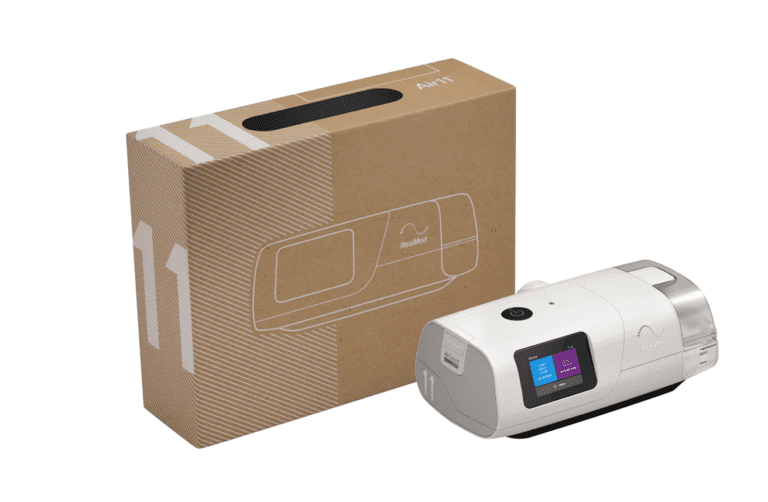
Track your data. ResMed machines like my AirSense 10 sync to the myAir app, and that’s a fine place to start. If you want a more detailed view, I keep a guide to OSCAR CPAP software, which lets you see what’s happening at a much finer level than the consumer apps show.
Keep your equipment clean. A clogged or dirty mask increases leak risk and irritation, which can make therapy harder to stick to. I cover the routine in my guide to CPAP cleaning supplies.
Manage the rest of your health. High blood pressure, diabetes, thyroid issues, and other conditions stack on top of apnea’s effects. Treating them isn’t a substitute for CPAP, but they all influence the broader picture of brain health, and ignoring them works against you.
Pay attention to how you feel over time, not just night to night. Cognitive recovery is gradual. Some people find it helpful to keep a brief journal of energy, focus, and mood across weeks rather than days. The trend matters more than any single morning.
When to Talk to Your Doctor
If you’ve been consistent with CPAP for several months and the fog hasn’t budged, that’s worth a conversation with your sleep specialist. There are a few possibilities to look at.
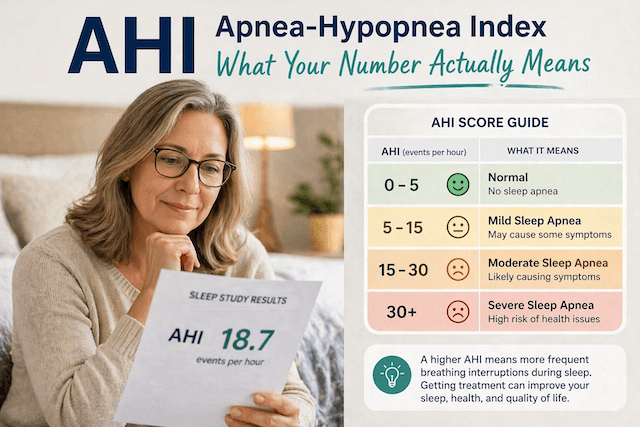
The first is whether your therapy is actually controlling your apnea. Numbers that look fine on the surface can hide problems with mask fit, leak rate, pressure settings, or residual events. A follow up sleep study can clarify whether the therapy is doing what it’s meant to.
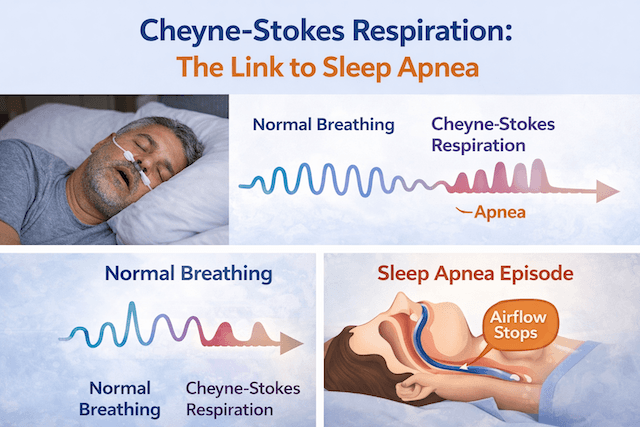
The second is whether what you have is straightforward obstructive apnea or something more complicated. Complex mixed sleep apnea, which combines obstructive and central events, sometimes responds poorly to standard CPAP and needs a different machine type to manage well.
The third is whether something else entirely is contributing to the fog. Thyroid problems, depression, medication side effects, and other sleep disorders can all produce similar symptoms. Your doctor is the right person to sort that out.
FAQ
Can sleep apnea cause permanent brain damage? Severe untreated sleep apnea has been linked to structural changes in the brain, but research suggests many of those changes are at least partially reversible once consistent treatment begins. The longer apnea has gone untreated, the more variable the recovery.
Can CPAP reverse brain changes from sleep apnea? Imaging studies have shown partial recovery of gray matter and improvements in white matter integrity after months of consistent CPAP use. Recovery is rarely total, but meaningful improvement is common.
Is brain fog the same thing as brain damage? No. Brain fog is functional and almost always reversible. Brain damage in the structural sense involves changes that show up on imaging. Both can improve with treatment, but they’re not the same.
How long does it take for the brain to recover after starting CPAP? Most people notice cognitive improvements within the first few months of consistent nightly use, with continued gains often appearing for a year or more. Severity and duration of untreated apnea both influence the pace.
What if I’m still foggy after months on CPAP? Talk to your sleep specialist. The most common reasons are mask or pressure issues that aren’t fully controlling your apnea, a more complex form of apnea that needs a different machine, or a separate condition contributing to the symptoms.
Final Thoughts
The question that started this article is a scary one, and I won’t pretend I had a calm reaction to it the first time it crossed my mind. What helped me was understanding that the headline version, sleep apnea causes brain damage, is doing a lot of compression. The real picture is that untreated apnea stresses the brain in measurable ways, that treatment substantially relieves that stress, and that the brain is more resilient than the alarming version of the story would suggest.
I’ve felt clearheaded for years now. The migraines and morning headaches that were a daily fact of life before treatment are something I rarely think about anymore. I can’t guarantee that experience for anyone else. What I can say, after more than a decade of sticking with therapy, is that the pattern in my life lines up with what the research describes. Consistent treatment seems to give the brain back most of what untreated apnea takes from it.
If you’ve been putting off treatment, or if you’re new to CPAP and waiting to see if it’s worth the trouble, this is the part where I’d quietly nudge you to keep going. The research and my own experience point in the same direction.
If you have questions or want to share where you are in your own journey, the comments are open. I read all of them.
⚠️ MEDICAL DISCLAIMER This blog provides general information only and is not a substitute for professional medical advice, diagnosis, or treatment. Sleep apnea is a serious condition, and CPAP equipment should be used under proper medical supervision. Always consult your doctor or sleep specialist before starting, stopping, or changing any therapy. I share personal experiences as a CPAP user, not as a medical professional. Individual results vary. For medical guidance, please consult a qualified clinician or the American Academy of Sleep Medicine (aasm.org).