CPAP Settings – I Still Worry a Decade Later

Wondering if your CPAP settings are correct is something that will probably stick with you forever. That’s my experience.

My Experience: My machine helped me from night one
I remember the day I came home with the machine that I would need for the rest of my life. It seemed daunting, but I was excited because I was hoping it was going to fix my morning headaches and ever more frequent migraines.
It did almost immediately.
But over a decade later, I still occasionally lie there and wonder: are my CPAP settings right?
From what I read on Reddit and in Facebook groups, a lot of people are told that once your CPAP settings are dialled in, that’s it — problem solved. That was partly true for me. I was lucky because CPAP helped me from the very first night. That said, I had to get the pressure turned down a bit because in the first week, I felt I was being inflated like a bouncy castle.
I know this isn’t everyone’s experience. I see on Facebook groups that people struggle so much that they delight in telling everyone they threw their machine across the room, smashing it into pieces. Ok, not that extreme, but they would rather forgo the health benefits of having a CPAP machine and potentially, or in my case, definitely shortening my lifespan than getting their CPAP settings dialled in and their mindset in the right place.
Why CPAP Doubt Is More Common Than People Admit
In the last 10 years, a lot has changed. I’ve gotten 10 years older, so everything in my body has slackened somewhat.
Lucky for me, I’ve lost weight rather than gained it, due to my fascination with the Longevity movement and the ever-growing drive to make this blog better and help more people 🙂
Then you gotta think about your machine and mask. The mask will slacken, and your CPAP machine is a machine, so things will naturally wear out, and you will probably need to replace it after about 6 or 7 years. I’m on my second ResMed 10.
Signs Your CPAP Settings Might Need Reviewing
Here is a checklist of signs that YOU or your CPAP settings could need some adjustments.
- Changes in your weight: Obstructive Sleep Apnea is caused by an obstruction in your throat. As you put on weight in the shape of excess body fat, so does your throat. Your throat obeys gravity like anything else does, and it makes sense that it would cause your throat to close more readily.
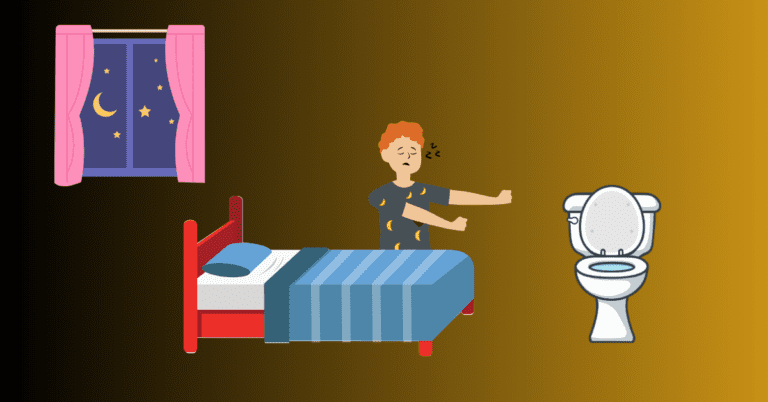
- More awakenings: Your machine and app will tell you how many times a night your have taken your mask off and on.
- Mask leaks are increasing: In my experience, this usually means your mask is wearing out or needs tightening.
- Feeling less refreshed: If you feel you are going back to your pre-CPAP therapy sluggish days, then this is certainly something to keep an eye on.
- Data looks different than usual: Your machine or app will give you enough data. If you want to geek out more on your therapy data, then there is software called OSCAR, which you can use
- Comfort changed: A few years back, I bought one of those beds you can raise up to watch television. Big mistake because the mattress was so thin, I couldn’t get comfortable. I had to get replace it.
Things I Check Before Assuming My Settings Are Wrong
- Mask seal: In my experience, after 3 months, I can feel that my mask’s texture feels more floppy. You will also observe that your mask has started to discolor.
- Strap tension: When I put my mask on at night, I feel with my fingers that the elastic on each side of the mask is the same length. As you will know, after repeated use, elastic becomes less elastic!
- Hose wear: If you move around a lot in your sleep like me, you will find that your hose will begin to kink somewhat.
- Humidity: Depending on where you live, you might find you need to seasonally adjust your humidity to improve your sleeping comfort. I live in a hot, dry Arizona-like climate, so I like my humidity turned up a bit in the summer months,
- Sleep position changes: Maybe you have bought a new bed, or you have a new partner!
- Recent illness/congestion: I really struggle if I get a cold or influenza
The Mental Side No One Talks About
- Trying to get back to sleep once you have woken: I continually struggle with this. I find that when I’m lying there at 2 am, wondering if I can get back to sleep or if that’s it for the night. This is usually due to my brain constantly thinking about new things coming into my brain, which I start to mentally chew on. I find that my best technique is, I concentrate on the noise in the room, whther its the sound of the fan or my wife breathing, and when a thought comes into my brain I mentally watch it disappear into a puff of smoke.
- Is this really worth it? Many people would rather live with the damage sleep apnea causes than adapt to CPAP therapy.
When Should You Have Your CPAP Settings Checked?
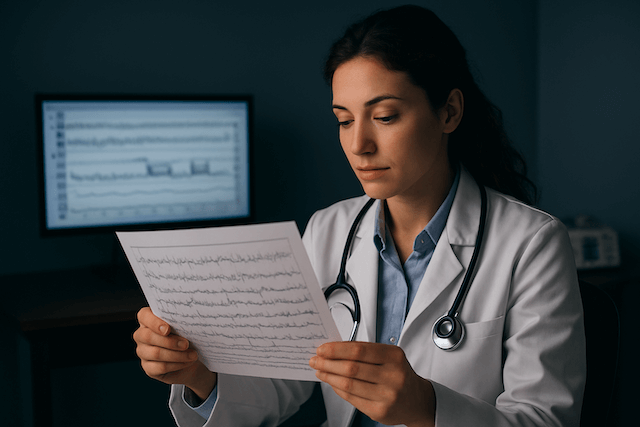
- Big life changes: Significant weight changes, some other illness, or if you are pregnant, you would certainly need to consult your sleep specialist.
- Major sleep quality drop: If you have a ResMed machine, make you sure you make use of their excellent app. It acts as your personal CPAP therapy coach too.
- Long time since last review: It makes sense, right?
Final Thought: CPAP Is a Long Game
CPAP therapy isn’t a one-time adjustment — it’s a long-term relationship with your sleep and machine. Small changes in your body, equipment, or habits can affect comfort and performance over time.
Always go and speak to your sleep specialist if you have any concerns. They can take a look at your data, look at your sleep history, and advise on your equipment and CPAP settings. Just don’t give up on it.
⚠️ MEDICAL DISCLAIMER This blog provides general information only and is not a substitute for professional medical advice, diagnosis, or treatment. Sleep apnea is a serious condition, and CPAP equipment should be used under proper medical supervision. Always consult your doctor or sleep specialist before starting, stopping, or changing any therapy. I share personal experiences as a CPAP user, not as a medical professional. Individual results vary. For medical guidance, please consult a qualified clinician or the American Academy of Sleep Medicine (aasm.org).