131+ Sleep Apnea Statistics You Should Know in 2026

If you want to understand the scope, risks, and treatment of sleep apnea, I’ve compiled this list for you.

I was diagnosed with severe obstructive sleep apnea more than a decade ago with an AHI of 51. Since then, I’ve followed the research closely. Below are 131 sleep apnea statistics drawn from peer-reviewed studies and established clinical organizations. I’m not a doctor — my background is in computer science — so where I couldn’t trace a number to a reliable source, I left it out.
Global Prevalence
- An estimated 936 million adults aged 30–69 worldwide have mild to severe obstructive sleep apnea (Benjafield et al., Lancet Respiratory Medicine, 2019).
- Approximately 425 million of those adults have moderate to severe OSA.
- OSA prevalence exceeded 50% in some countries in the Lancet analysis.
- China has the highest number of people with OSA globally, followed by the United States, Brazil, and India.
- Nearly 30 million Americans have obstructive sleep apnea (AASM).
- More than 80% of moderate to severe OSA cases in the U.S. remain undiagnosed (AASM).
- Up to 30% of men in the U.S. meet the diagnostic criteria for OSA.
- Up to 17% of women in the U.S. meet the diagnostic criteria for OSA.
- OSA is the most common sleep-related breathing disorder.
- A 2025 modeling study projected 76.6 million U.S. adults aged 30–69 will have OSA by 2050.
Demographics and Risk Factors
- Men are diagnosed with OSA at roughly twice the rate of women before age 50.
- After menopause, women’s OSA risk approaches that of men.
- Women are disproportionately underdiagnosed, often presenting with insomnia and fatigue rather than snoring.
- Rates of undiagnosed OSA are higher among women, racial and ethnic minorities, and people in low-income or rural communities (AASM).
- Obesity is involved in approximately 60% of moderate to severe OSA cases.
- In obese children, OSA prevalence rises to approximately 60%.
- Neck circumference over 17 inches in men is an established risk factor.
- A waistline over 40 inches is associated with significantly elevated OSA risk.
- A family history of OSA raises individual risk.
- Alcohol consumption before bed worsens airway muscle relaxation and increases apnea severity.
- Smoking is associated with increased OSA risk.
- Chronic nasal congestion contributes to OSA by increasing mouth breathing.
- Asthma sufferers have a higher rate of OSA than the general population.
- PCOS increases the likelihood of OSA in women.
- Low thyroid hormone levels are associated with increased OSA risk.
- Hormonal changes during menopause increase susceptibility to OSA.
- Supine (back) sleeping worsens OSA in many patients.
- Sedative medications increase upper airway muscle relaxation and can worsen OSA.
Pediatric Sleep Apnea
- OSA affects an estimated 1–5% of children.
- Peak incidence in children occurs in preschool age, when tonsil hypertrophy is most prevalent.
- Adenotonsillar hypertrophy is the leading cause of pediatric OSA.
- Adenotonsillectomy is the most common first-line surgical treatment for pediatric OSA.
- Children with Down syndrome are at significantly elevated risk for OSA.
- Obese children with OSA have a moderate to severe disease rate of approximately 71%.
- Up to 30% of children with OSA also have ADHD.
- Pediatric OSA is associated with behavioral problems, learning difficulties, and impaired growth.
- Allergic rhinitis and adenoid hypertrophy frequently co-occur with pediatric OSA.
- Diagnosis of OSA in children is often delayed due to limited sleep testing resources.
Health Consequences of Untreated OSA
- Severe OSA is associated with roughly double the hazard for all-cause mortality (meta-analysis, PMC3723897).
- Cardiovascular mortality risk is approximately 2.65 times higher in people with severe OSA (meta-analysis, PMC3723897).
- OSA is associated with an odds ratio of 2.24 for incident stroke (pooled analysis, AHA Journals).
- 40–80% of people with cardiovascular disease also have OSA.
- 83% of people with treatment-resistant hypertension have OSA.
- 50% of people with atrial fibrillation have been found to have undiagnosed OSA.
- 70% of stroke survivors have some form of sleep-disordered breathing.
- OSA approximately triples the risk of motor vehicle accidents due to impaired alertness.
- An estimated 45% of people with type 2 diabetes also have OSA.
- Depression and anxiety are significantly more common in people with untreated OSA.
- Cognitive impairment, memory problems, and brain fog are frequently reported in untreated OSA.
- OSA is linked to increased dementia risk in older adults.
- Chronic morning headaches are a recognized symptom of OSA, caused by CO2 buildup and sleep fragmentation.
- GERD symptoms are more common in people with untreated OSA and often improve with CPAP therapy.
- OSA is associated with reduced quality of life across multiple dimensions including daytime function and mood.
- Intermittent hypoxia from OSA has downstream effects on cardiovascular, metabolic, and neurological health.
- Nighttime urination (nocturia) is a commonly reported symptom of OSA.
- OSA is associated with reduced testosterone levels in men.
- Sexual dysfunction including erectile dysfunction is more common in men with untreated OSA.
- Snoring occurs in the vast majority of OSA cases, though not all snorers have OSA.
Diagnosis and Testing
- Polysomnography (in-lab sleep study) remains the gold standard for OSA diagnosis.
- The Apnea-Hypopnea Index (AHI) is used to classify OSA severity: mild (5–14 events/hour), moderate (15–29), severe (30+).
- Home sleep apnea tests (HSAT) can reliably diagnose moderate to severe OSA in people with a high pre-test probability.
- Misdiagnosis is common, especially in women whose symptoms differ from the textbook presentation.
- Many people go undiagnosed for years, with symptoms attributed to stress, aging, or other conditions.
- The Epworth Sleepiness Scale is a widely used tool for quantifying daytime sleepiness.
- The STOP-BANG questionnaire is used in clinical settings to screen for OSA risk.
- General public awareness of sleep apnea remains low.
- Polysomnography is resource-intensive and unavailable in many parts of the world, which drives underdiagnosis.
- Home sleep testing technology has improved substantially, increasing diagnostic access.
- Sleep apnea screening is recommended before surgery due to elevated anesthesia risk in people with OSA.
- Wearable ring-based pulse oximeters are increasingly used to monitor nocturnal oxygen levels.
CPAP Therapy
- CPAP is the first-line recommended treatment for moderate to severe OSA (AASM guidelines).
- CPAP adherence is typically defined as four or more hours of use per night on at least 70% of nights.
- Real-world CPAP adherence rates typically range from 30–60% in published studies.
- Close to half of new CPAP users discontinue therapy within the first year.
- Mask discomfort and claustrophobia are among the most common reasons for early CPAP abandonment.
- Full face masks are recommended for chronic mouth breathers.
- Heated humidification reduces nasal dryness and improves comfort, which supports long-term adherence.
- Consistent CPAP use is associated with reduced blood pressure in people with hypertension and OSA.
- Long-term CPAP use is associated with reduced stroke risk.
- CPAP reduces AHI to below 5 events per hour in most users when used correctly.
- CPAP eliminates snoring in most users.
- Daytime alertness and energy typically improve within days to weeks of starting effective CPAP therapy.
- CPAP therapy is associated with reductions in emergency department visits and hospitalizations.
- Patient education and close follow-up in the first weeks of therapy significantly improve long-term adherence.
- Telehealth monitoring via apps allows daily tracking of therapy data including AHI, mask leak, and hours of use.
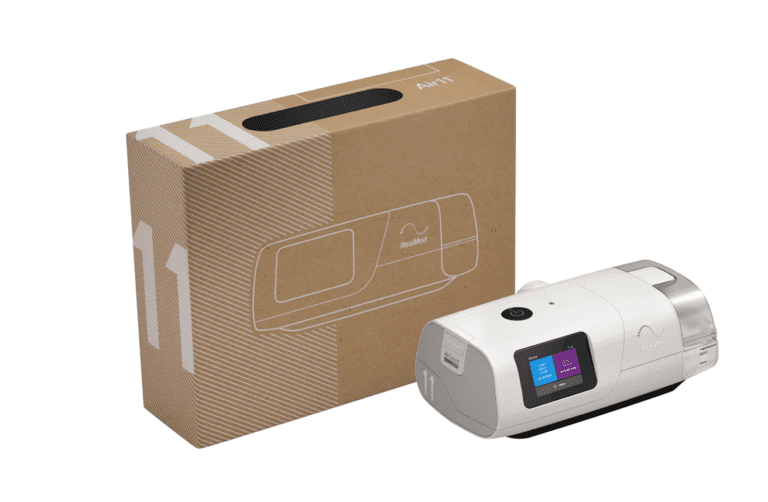
- CPAP machines typically last around five years.
- Insurance in the U.S. often covers CPAP equipment and replacement supplies on a set schedule.
- Auto-titrating CPAP (APAP) adjusts pressure breath-by-breath based on detected airway resistance.
Alternative Treatments
- Oral appliances that reposition the lower jaw are effective in approximately 70–80% of mild to moderate OSA cases.
- Positional therapy — avoiding back sleeping — benefits patients whose OSA is significantly worse in the supine position.
- Weight loss is one of the most effective long-term interventions for OSA, particularly in obese patients.
- Nasal EPAP devices offer a non-powered alternative for mild to moderate OSA.
- Upper airway surgery including UPPP can reduce OSA severity but rarely eliminates it entirely.
- Hypoglossal nerve stimulation (Inspire therapy) reduces AHI by approximately 68% in eligible patients who cannot tolerate CPAP.
- Sleeping on the side rather than the back can meaningfully reduce apnea events in positional OSA.
- Quitting smoking reduces airway inflammation and is associated with improved sleep-disordered breathing.
- Avoiding alcohol within several hours of bedtime reduces apnea severity.
Innovation and Emerging Research
- Tirzepatide (Zepbound) became the first weight-loss drug to receive FDA approval specifically for treating OSA in adults with obesity.
- In clinical trials, Zepbound reduced sleep disruption events by over 60% in participants with OSA.
- Apple Watch includes a sleep apnea notification feature using wrist motion data, though it is a screening indicator, not a diagnostic tool.
- AI-based analysis tools are being developed to detect OSA from wearable sensor data with increasing accuracy.
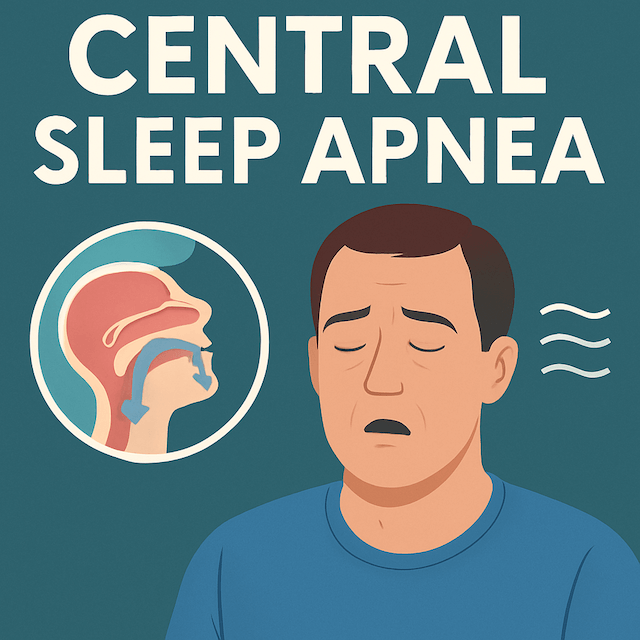
- ASV (adaptive servo-ventilation) therapy is used for central sleep apnea and complex sleep apnea not responsive to standard CPAP.
- BiPAP therapy delivers different pressures on inhale and exhale and is used for patients who cannot tolerate the continuous pressure of CPAP.
- Home sleep testing devices continue to improve in accuracy, increasing diagnostic access outside sleep labs.
- Bluetooth-enabled CPAP machines allow remote monitoring by sleep clinicians, enabling earlier intervention when problems arise.
- Research into pharmacological treatments for OSA beyond weight-loss drugs is ongoing, including drugs targeting upper airway muscle tone.
Economic Impact
- The annual economic burden of undiagnosed OSA in the U.S. is approximately $149.6 billion (AASM / Frost and Sullivan, 2016).
- Lost workplace productivity accounts for the largest share of that burden: $86.9 billion annually.
- Motor vehicle accidents linked to OSA account for an estimated $26.2 billion annually.
- Workplace accidents linked to OSA account for an estimated $6.5 billion annually.
- Increased healthcare utilization from OSA-related comorbidities adds an estimated $30 billion annually.
- Consistent CPAP treatment has been shown to reduce overall healthcare spending over time.
- Commercial truck drivers have elevated rates of OSA, with estimates suggesting 28% or more may be affected.
- Treating OSA in the workplace setting is associated with reduced absenteeism and improved productivity.
- The global market for sleep apnea devices continues to grow in line with rising prevalence rates.
Living with Sleep Apnea
- Sleep apnea affects relationships: a partner’s snoring and restless sleep frequently disrupts their bed partner’s sleep as well.
- Many people with OSA report significant improvements in mood, energy, and cognitive function within weeks of effective treatment.
- Morning headaches that resolve after starting CPAP therapy are a commonly reported experience among new users.
- People with OSA frequently underestimate their own daytime sleepiness because impaired alertness becomes their baseline.
- Travel with CPAP is manageable: travel machines like the ResMed AirMini are designed for portability, and most airlines allow CPAP as a carry-on.
- CPAP use is possible while camping, using battery packs or solar charging systems designed for PAP therapy.
- Many CPAP users report that it takes several weeks to feel fully comfortable with the mask and machine.
- Consistent daily CPAP cleaning — mask cushion, tubing, and humidifier — is recommended to prevent bacteria buildup and extend equipment life.
- Distilled water is recommended for CPAP humidifiers to prevent mineral deposits and bacterial growth.
- CPAP replacement schedules for masks, cushions, filters, and tubing are typically covered by insurance on a defined timeline.
- People with untreated OSA have higher rates of workplace accidents and errors due to chronic sleep deprivation.
- OSA is a lifelong condition for most people; there is no cure for the majority of cases, though symptoms can be effectively controlled.
- Social stigma around CPAP use remains a barrier to adherence for some patients.
- Peer support groups and online communities are frequently cited by CPAP users as helpful for troubleshooting and motivation.
- Regular follow-up with a sleep clinician — not just initial setup — is associated with better long-term therapy outcomes.
- People with severe untreated OSA have a measurably shorter life expectancy than those who receive and adhere to treatment.
Sources: Benjafield AV et al., Lancet Respiratory Medicine (2019), PMID 31300334 • American Academy of Sleep Medicine / Frost and Sullivan, “Hidden Health Crisis Costing America Billions” (2016) • aasm.org • Additional statistics sourced from peer-reviewed literature as noted inline.
⚠️ MEDICAL DISCLAIMER This blog provides general information only and is not a substitute for professional medical advice, diagnosis, or treatment. Sleep apnea is a serious condition, and CPAP equipment should be used under proper medical supervision. Always consult your doctor or sleep specialist before starting, stopping, or changing any therapy. I share personal experiences as a CPAP user, not as a medical professional. Individual results vary. For medical guidance, please consult a qualified clinician or the American Academy of Sleep Medicine (aasm.org).