Sleep Apnea and ADHD: Two Conditions That Are Easy to Confuse

Sleep apnea and attention deficit hyperactivity disorder can look remarkably similar from the outside. A person who cannot focus, who feels foggy through the afternoon, who is restless and irritable and forgetful, might fit the profile of either one. That overlap is more than a coincidence. The two conditions share a long list of daytime symptoms; they appear together more often than chance would predict, and one is sometimes mistaken for the other in a doctor’s office. For anyone trying to make sense of why they or someone they care about feels scattered and tired, understanding how these two conditions relate is a useful place to start.
This article walks through what the research says about the connection, why the symptoms overlap, where misdiagnosis tends to happen, and what a sensible path toward getting answers looks like. It is general information, not a diagnosis, and the goal is to help you ask better questions when you talk to a qualified clinician.
What each condition actually is
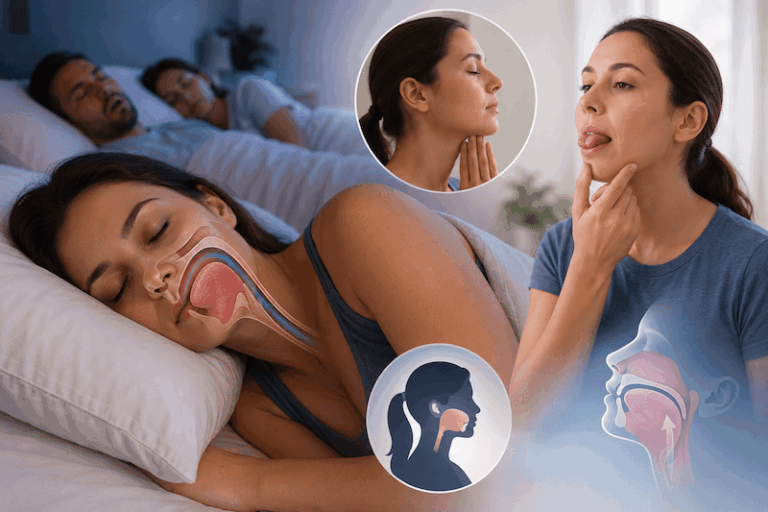
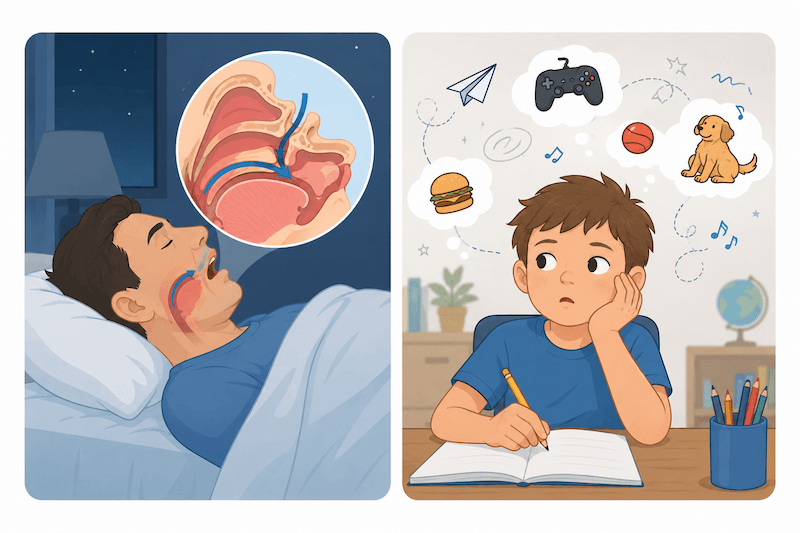
Obstructive sleep apnea is a sleep disorder in which the airway repeatedly narrows or closes during sleep. The soft tissues at the back of the throat relax and collapse, breathing pauses or becomes shallow, and the brain briefly rouses itself to reopen the airway. This can happen dozens or even hundreds of times a night. Most people never remember these awakenings, but the cost shows up the next day in the form of fatigue, poor concentration, and low mood. If you want the full picture of how the condition works, the overview on what sleep apnea is covers the mechanics in more detail.
ADHD is a neurodevelopmental condition, which means it relates to how the brain develops and regulates attention, activity, and impulse control. Its core features are inattention, hyperactivity, and impulsivity, though these show up differently from one person to the next. Some people are mostly inattentive, others mostly hyperactive, and many fall somewhere in between. ADHD usually begins in childhood, and for a large share of people it continues into adult life in some form.
On paper, one is a breathing problem during sleep and the other is a difference in how the brain handles attention. They sound unrelated. The trouble is that they produce many of the same daytime effects, and that is where the confusion starts.
Why the symptoms overlap
The link comes down to what poor sleep does to the brain. When breathing is interrupted again and again through the night, sleep becomes fragmented. The deep, restorative stages of sleep get cut short, and blood oxygen levels can dip during the pauses in breathing. The brain regions responsible for attention, working memory, and emotional regulation are particularly sensitive to this kind of disruption.
The result is a daytime state that is hard to tell apart from ADHD. Trouble concentrating, getting distracted easily, forgetfulness, irritability, and difficulty managing emotions all appear on both lists. Adults with untreated apnea often describe a foggy, slow feeling that overlaps closely with the cognitive complaints in ADHD, a pattern explored further in the piece on CPAP therapy and brain fog.
Children add a twist. While a sleep-deprived adult tends to slow down and feel sluggish, a sleep-deprived child often speeds up. Tiredness in a young child can look like hyperactivity, fidgeting, and difficulty sitting still, which is exactly the picture many people associate with ADHD. That single difference explains a great deal of the diagnostic confusion in younger patients.
A fuller list of how apnea shows up day to day, from morning headaches to daytime sleepiness, is collected in the overview of sleep apnea symptoms. Reading it alongside a description of ADHD makes the overlap obvious.
What the research shows about the connection
The two conditions do appear together more often than you would expect by chance. According to the Sleep Foundation, sleep and ADHD have a two-way relationship: ADHD can make sleep harder to come by, and poor sleep can in turn worsen the symptoms that define ADHD. That bidirectional quality is one of the reasons the relationship has been difficult for researchers to untangle.
Several patterns show up consistently across studies. People diagnosed with ADHD report higher rates of sleep problems in general, including insomnia, snoring, breathing pauses, restless legs, and daytime sleepiness. Studies have also found that obstructive sleep apnea appears more often in people with ADHD than in people without it. Much of the strongest evidence comes from research in children, where the connection between sleep-disordered breathing and ADHD like behavior has been studied for years.
The research in adults is thinner. Most of the careful work has focused on children, and the precise mechanisms linking the two conditions in adults are still being worked out. It is fair to say that the association is real and well documented, while the exact cause and effect story is still incomplete. This is a place where honest uncertainty is the accurate position, and anyone claiming a tidy explanation is getting ahead of the evidence.
One more thread is worth pulling. Sleep apnea is far from the only sleep disorder that travels with ADHD. Restless legs syndrome, insomnia, and circadian rhythm differences all show up at elevated rates as well. Apnea is one piece of a larger pattern of disrupted sleep that tends to accompany ADHD, which is part of why a thorough sleep evaluation is so valuable when symptoms do not respond to the obvious treatments.
The misdiagnosis problem
Because the daytime symptoms line up so closely, it is genuinely possible for one condition to be mistaken for the other. A child who is inattentive and disruptive at school may be evaluated for ADHD without anyone asking whether the child snores, breathes through the mouth at night, or sleeps poorly. If undiagnosed apnea is the real driver, treating only the behavior misses the underlying cause.
This works in both directions. Some people carry an ADHD diagnosis when an untreated sleep disorder is contributing to or even producing their symptoms. Others have genuine ADHD and an undiagnosed sleep disorder sitting on top of it, which makes everything worse and harder to manage. And some people have both conditions independently, each needing its own attention.
The practical lesson is not that ADHD diagnoses are usually wrong. They often are not. The lesson is that sleep deserves a careful look as part of the workup, especially when symptoms are stubborn or when there are nighttime clues like loud snoring, witnessed pauses in breathing, gasping, or restless sleep. A screening tool such as the STOP-BANG questionnaire or the Epworth Sleepiness Scale can help flag whether apnea is worth investigating, though neither replaces a proper evaluation.
Children, sleep, and behavior
The pediatric side of this topic has drawn the most research attention, in part because untreated sleep disordered breathing during the developmental years carries real consequences. Snoring, mouth breathing, and breathing pauses in a young child are not always harmless. They have been associated with daytime behavior problems, difficulty in school, and the kind of inattention and hyperactivity that can resemble ADHD.
Pediatric sleep apnea often has different causes than the adult version. Enlarged tonsils and adenoids are common culprits in children, which is why surgical removal of those tissues is sometimes considered. Research has found that for some children, treating the airway obstruction leads to improvement in attention and behavior, which is a strong hint that sleep was part of the problem. This does not mean every behavioral concern is really a sleep issue, but it does mean sleep is worth checking.
Major pediatric guidance reflects this. Routine well child visits are meant to include questions about snoring and other signs of disordered breathing, and a child who screens positive is generally referred for a more thorough sleep evaluation. Parents who want to think through the warning signs can start with the overview of sleep apnea in children and the practical guide to figuring out whether your child might have sleep apnea. If a child shows behavioral symptoms and also snores heavily or sleeps restlessly, raising sleep with the pediatrician is a reasonable step.
Adults with ADHD and the sleep question
For adults, the picture is murkier but no less important. Many adults with ADHD struggle to fall asleep, in part because a busy mind does not switch off easily at bedtime. Lost sleep then feeds back into the next day’s focus and mood, deepening the very symptoms the person is trying to manage. Apnea can sit quietly underneath all of this, undiagnosed, draining sleep quality night after night.
There is also a medication angle. Stimulant medications, which are a common and effective treatment for ADHD, can interfere with sleep for some people, particularly if taken later in the day or if the formulation wears off at an awkward time. The interaction between ADHD medication and sleep is individual and worth an honest conversation with the prescribing clinician rather than guesswork. The point is simply that sleep and ADHD treatment influence each other, so neither should be managed in isolation.
Because mood, focus, and emotional regulation are tangled up with sleep, the relationship between sleep apnea and mental health is its own large topic. The discussion of sleep apnea and mental health covers how disrupted breathing at night can shape daytime psychological symptoms, and there is a related look at sleep apnea and PTSD for those navigating more than one condition at once.
How to get clear answers
If the symptoms in this article sound familiar, the most useful move is to stop trying to diagnose yourself and instead gather information for a clinician. A few things make that conversation more productive.
First, pay attention to nighttime signs, not just daytime ones. Loud snoring, gasping or choking sounds, witnessed pauses in breathing, frequent waking, and waking up unrefreshed all point toward a sleep disorder rather than ADHD alone. A bed partner is often the best source of this information, since the person sleeping rarely notices.
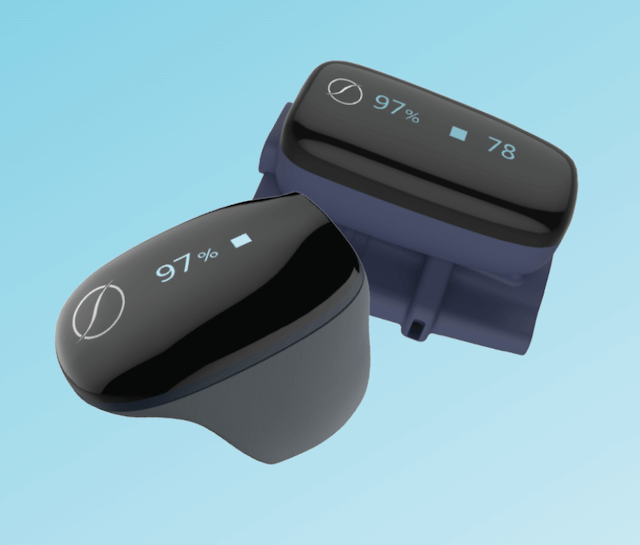
Second, consider a sleep study. Sleep apnea is diagnosed through sleep testing, not through symptoms alone. Testing can be done in a lab or, increasingly, with an at home sleep apnea test that measures breathing and oxygen overnight in your own bed. The starting point of getting a sleep apnea diagnosis explains what the process involves and what the results mean. If you are not sure whether your situation even warrants testing, the questions in do I have sleep apnea are a reasonable self check before you book an appointment.
Third, do not assume one diagnosis rules out the other. The right approach is to let a qualified clinician evaluate sleep and attention together, because the two conditions can coexist and each may need its own treatment plan. Treating sleep apnea will not cure ADHD if ADHD is genuinely present, but it may take a meaningful load off the symptoms, and treating ADHD will not fix breathing problems at night.
When treatment overlaps
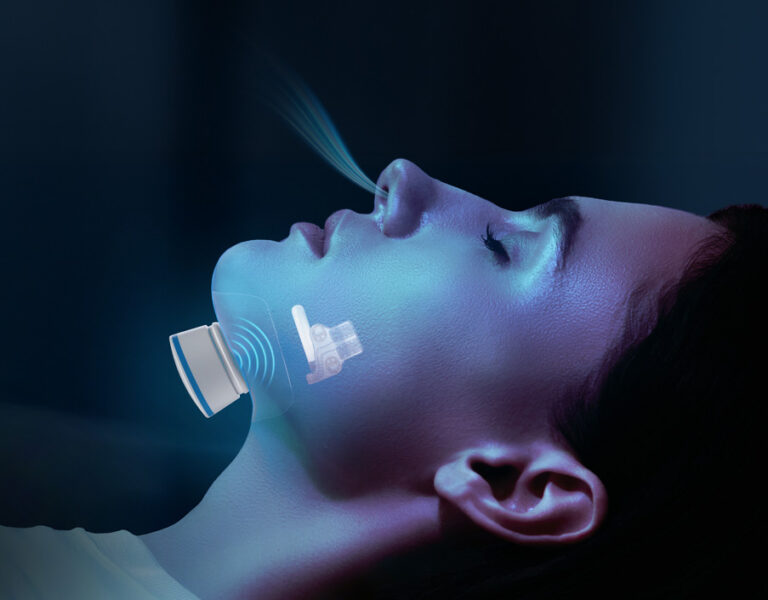
Here is the encouraging part. When sleep apnea is part of the picture, treating it can improve daytime symptoms that were being blamed on something else. For obstructive sleep apnea, the standard treatment is continuous positive airway pressure therapy, which uses a gentle stream of air to hold the airway open through the night. A plain language explanation of how a CPAP machine works shows why keeping the airway open changes sleep quality so dramatically.
When sleep stops being interrupted, the brain finally gets the deep, continuous rest it needs. For people whose attention and focus problems were partly driven by fragmented sleep, that can translate into clearer thinking and steadier mood. The improvement is measured in part by tracking how many breathing events occur per hour, a number explained in the guide to the apnea hypopnea index and the related discussion of CPAP events per hour. Watching that figure drop over time is one of the clearest signs that therapy is working.
None of this makes apnea treatment a substitute for ADHD treatment when both are present. It simply removes one source of the symptoms, which often makes the remaining picture easier to understand and manage. Many people are surprised by how much of their daytime struggle traced back to sleep they did not know they were losing, a theme that runs through almost any honest account of chronic sleep deprivation.
The honest bottom line
Sleep apnea and ADHD overlap because poor sleep and attention problems feed each other and because the daytime symptoms look so much alike. The two conditions appear together more often than chance would suggest, they can be confused for one another, and they can also coexist. The research is strongest in children and still developing in adults, so a degree of humility about the exact relationship is warranted.
What is not in doubt is the practical advice. If attention, focus, mood, or energy are suffering, and especially if there are signs of disrupted breathing at night, sleep belongs in the conversation. Getting evaluated for a sleep disorder will not undo a real ADHD diagnosis, but it can reveal a hidden contributor and, for many people, lead to real relief. The worst outcome is treating one condition for years while the other quietly undermines the effort. A careful look at sleep is a small step that can save a lot of frustration.
⚠️ MEDICAL DISCLAIMER This blog provides general information only and is not a substitute for professional medical advice, diagnosis, or treatment. Sleep apnea is a serious condition, and CPAP equipment should be used under proper medical supervision. Always consult your doctor or sleep specialist before starting, stopping, or changing any therapy. I share personal experiences as a CPAP user, not as a medical professional. Individual results vary. For medical guidance, please consult a qualified clinician or the American Academy of Sleep Medicine (aasm.org).