Best CPAP Cleaner: Safe, Simple, and Smart Options

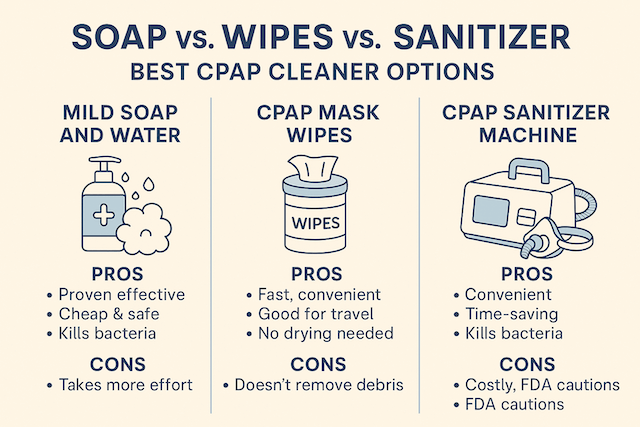
Walk into any CPAP forum, and you’ll see the same question every week: What’s the best CPAP cleaner? People are looking for a product. The honest answer is mostly a routine, with one piece of equipment doing the heavy lifting. That equipment is your kitchen sink.
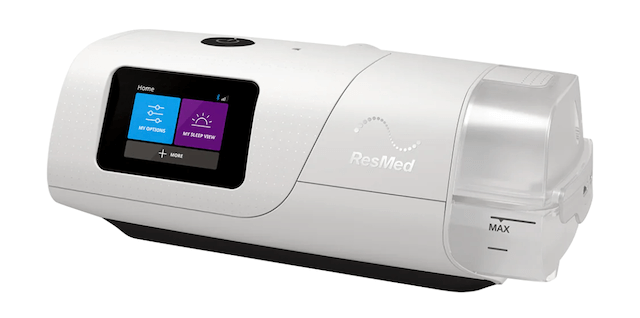
I’ve been using a CPAP for the better part of a decade. Two ResMed AirSense 10 machines through that time, plus a ResMed AirMini I take camping and on trips. One full face mask style the whole way through, because I’m a chronic mouth breather and nasal-only options have never worked for me. None of that gear has ever been near an automated cleaning machine. It has been hand-washed in mild dish soap and warm water, and it has held up.
This post walks through what cleaning actually involves, what I personally do every day and every week, where the convenience products genuinely help, and where they fall short. I’ll be upfront when I’m reporting from personal experience and when I’m summarizing what the research and regulators say. I’m a long-term CPAP user with a background in computer science, not a medical professional. Always check with your sleep clinician for guidance specific to your therapy.
Cleaning vs sanitizing: an important distinction
Most of the marketing confusion in this category comes from blurring two different things.
Cleaning is the physical removal of oils, skin cells, dust, and mineral residue from your equipment. It’s mechanical. Soap, water, and a little agitation do the work.
Sanitizing is reducing or killing microbes on a surface. It does nothing about the gunk itself.
This distinction matters because most automated CPAP cleaners advertise themselves as “cleaners” while actually offering only sanitizing. According to the FDA, no machine using ozone gas or UV light has been cleared or approved as a CPAP cleaner. There is currently one device authorized as an add-on bacterial reduction step, but even that is meant to follow regular soap-and-water cleaning, not replace it.
If a sanitizer machine is the only thing you use, oils and biofilm keep building on the cushion silicone and inside the tubing. That eventually shows up as mask leaks, the funky smell users complain about on day five of skipping, and shorter component life. Real cleaning is non-negotiable. Sanitizing is optional.
My daily routine
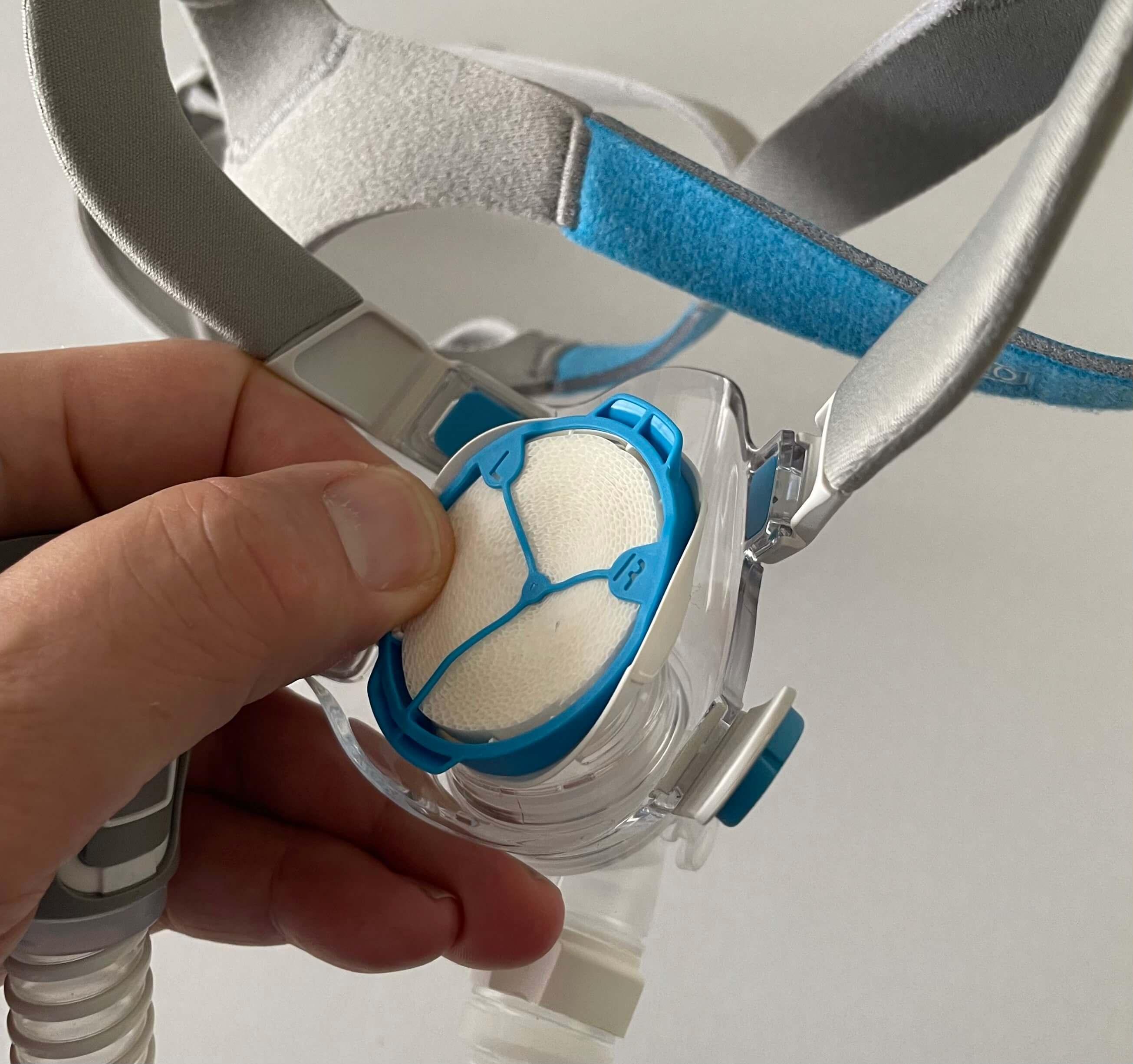
Every morning, I rinse the mask cushion under warm running water with a small amount of mild dish soap, work the soap around with my fingers, and rinse it clean. That’s it for daily care.
The reason I do this every day comes down to the mask style I use. A full face mask sits across the bridge of the nose and seals down around the chin. Skin oils and any sweat collect along that seal line. If you skip rinsing for a few days, the cushion silicone gets a slick film on it, and a slick cushion does not seal well. Mask leaks ruin the therapy you paid for in money, time, and sleep.
I let the cushion air dry on a clean towel while I’m getting on with my day. Direct sunlight is generally not recommended for silicone, since UV exposure breaks the material down over time, but a few minutes near a sunny window won’t wreck anything.
I also empty out any leftover water from the humidifier chamber every morning. Standing water is a perfect environment for mineral deposits and microbial growth. Empty, rinse, leave open to dry through the day. Refill with distilled water at bedtime.
That’s the whole daily routine. Two or three minutes.
My weekly deeper clean
Once a week, the rest of the gear gets attention. I disconnect the tubing from both ends. I take the headgear off the mask frame and pull the cushion off the frame. The humidifier chamber comes out of the AirSense 10.
Everything that’s not electrical goes into the bathroom sink with warm water and the same mild dish soap I use daily. I let it sit and soak for a few minutes, swish things around, and run a dedicated soft brush through the inside of the tubing. The brush matters because tubing is the one component you cannot reach with your fingers. Cleaning supplies that include a long, soft brush sized for CPAP hose are inexpensive and worth keeping in the bathroom cabinet.
I rinse everything thoroughly, then hang the tubing over a towel rail to drip dry. The mask cushion, frame, and headgear go on a clean towel. The humidifier chamber sits open on the counter to dry inside and out.
A few details that matter:
The CPAP machine itself never goes anywhere near water. It has electronics and motors. To clean the outside of the unit, I use a slightly damp cloth and wipe down the exterior. Don’t pour anything into the air outlet.
Headgear straps are usually fabric and elastic. They take longer to dry than silicone. If you wash them on a humid evening they may not be ready by bedtime. Washing in the morning gives them all day to dry.
Air filters get a separate schedule. The hypoallergenic filter in the AirSense 10 is disposable and gets replaced on the manufacturer’s cadence. I don’t try to wash it. Reusable filters, where the machine has one, can be rinsed under tap water and air dried.
This guidance is consistent with what the Cleveland Clinic recommends for CPAP maintenance: daily mask attention, weekly washing of mask, headgear, tubing, and water chamber, and never submerging the machine itself. For a step-by-step walkthrough, you might also want my full guide on how to clean a CPAP machine.
On vinegar
White vinegar gets recommended a lot for CPAP gear. The case for it is that diluted vinegar (typically one part white vinegar to three parts warm water) helps cut mineral deposits and adds a mild antimicrobial step. Most manufacturers consider it acceptable for soaking detachable components. The FDA itself notes that some manufacturers recommend diluted vinegar as part of cleaning.
I use vinegar occasionally rather than on a strict schedule. If the humidifier chamber is showing visible mineral residue, especially after a stretch where I haven’t been as diligent about emptying it daily, a vinegar soak helps lift it. After soaking, I rinse the chamber thoroughly with clean water, otherwise the next night’s water carries a faint vinegar smell into the airflow.
A few things to know if you go this route. Use only white vinegar, not other types. Avoid combining vinegar with hydrogen peroxide. Together those form peracetic acid, which is dangerous to breathe. Don’t run a vinegar solution through the machine itself. Soak only the detachable parts.
If you live somewhere with hard water, distilled water for the humidifier solves most of the mineral problem at the source and reduces how often you’d ever need to descale.
On the convenience products
Here’s where I have to be upfront about the limits of my own experience. I have not personally owned or tested CPAP wipes, hose dryers, UV sanitizers, or ozone-based sanitizers. The reason is straightforward: my soap-and-water routine has worked for me for years, and I haven’t felt the need to add another product to my bathroom counter.
That doesn’t mean these products are useless. It means I can summarize what they do, who they help, and what the regulatory picture looks like, without pretending I’ve put them through long use myself.
CPAP wipes are pre-moistened, fragrance-free wipes designed to be safe on mask silicone. The argument for them is convenience. They’re useful when you’re traveling, when you’re staying somewhere without easy access to a sink, or when you want a fast wipe of the mask frame before bed. They aren’t a substitute for actual washing. If you’re considering them, look for unscented and alcohol-free options. I cover specific picks in my CPAP cleaning supplies guide.
Hose dryers are small devices that blow air through the tubing to speed drying after washing. The pitch is targeted at people in humid climates, where tubing can take a long time to dry overnight. I’m in Western Australia, and I’ve handled this with a towel rail and time. If you live somewhere consistently humid and find your tubing isn’t dry before bedtime, a hose dryer is a reasonable accessory. I don’t have personal experience with specific models.
UV sanitizers and ozone sanitizers are the category most people are searching for when they ask about a “CPAP cleaner machine.” They look professional, they sell well, and the marketing is everywhere. The regulatory position is worth reading carefully.
The FDA has stated clearly that no machine using ozone gas or UV light has been approved or cleared as a CPAP cleaner. The agency has received reports of users experiencing asthma attacks, headaches, and breathlessness after using ozone-based devices. Ozone can leak from these machines into the surrounding room and can persist inside CPAP tubing for hours after a cleaning cycle. UV light, separately, can degrade the silicone in mask cushions over repeated exposure, and the energy and exposure time across consumer UV cleaners varies widely, which means many of them may not deliver enough light to disinfect anyway.
The agency has authorized one device, the SoClean3+, but only as an add-on bacterial reduction step that follows soap-and-water cleaning. It is not a replacement for hand washing. If you’re considering any sanitizer machine, that distinction is the one to keep in mind. For a closer look at the specific products in this category and how they compare, see my best CPAP sanitizer machine review.
My honest summary: if you have the time and access to a sink, you don’t need a sanitizer machine. If you’ve already bought one and find it useful as an add-on, use it that way and continue to wash your gear with soap and water.
Cleaning when you travel and camp
Travel is the situation where my routine actually shifts. The AirMini I use for trips and camping is much smaller than the AirSense 10 and uses a different humidification approach with the HumidX cartridge rather than a water chamber. There’s no chamber to wash, but I still rinse the mask cushion daily where I can.
On a multi-day camping trip, where access to running water can be limited, this is where I can see the case for keeping a small pack of CPAP wipes in the travel bag. I haven’t done this myself, but I would not fault anyone for relying on wipes for a few nights when soap and water aren’t practical.
International travel has been similar. Hotels have sinks. The mask cushion gets a daily rinse the same as at home. The bigger logistical question on travel is power adapters and water for the humidifier, which I cover separately in my camping with a CPAP post.
A simple weekly checklist
For people who like a routine to stick on the bathroom mirror:
Daily, rinse the mask cushion in mild soapy water. Empty the humidifier chamber and leave it open to dry.
Weekly, wash the mask cushion, frame, headgear, tubing, and humidifier chamber in mild soapy water. Air dry. Check that the tubing brush is in good shape.
Occasionally, do a vinegar soak on the humidifier chamber if mineral residue is visible. Inspect cushions for cracking or hardening.
Per manufacturer schedule, replace disposable filters and replace cushions, headgear, and tubing as they wear out. The replacement schedule from the device manufacturer is the right reference, not someone’s guess on a forum.
That’s the whole job. Five to ten minutes a week, and a couple of minutes a day.
Frequently asked questions
Do I really need a CPAP cleaner machine?
No. The FDA and most sleep clinicians recommend mild soap and warm water for nearly all CPAP components. A cleaner machine is optional convenience, not required care.
Are CPAP wipes safe for daily use?
Yes, as long as they’re made specifically for CPAP equipment. Look for fragrance-free and alcohol-free wipes. They’re a supplement to washing rather than a replacement.
Can I run vinegar through my CPAP machine?
No. Soak detachable components only. Never put any liquid into the machine itself.
Why is the FDA concerned about ozone CPAP cleaners?
Ozone is a respiratory irritant. The FDA has received reports of asthma attacks, headaches, and breathing problems linked to ozone-based CPAP cleaners. Ozone can leak from the machines into the room and can remain inside CPAP tubing for hours after a cleaning cycle.
What’s the easiest way to keep my hose dry?
A towel rail with the tubing draped over it works for most people. If you’re in a humid climate and tubing isn’t drying in time for bed, a hose dryer is a reasonable accessory.
How often should I replace the mask cushion?
Cushions wear out long before the mask frame does. The silicone hardens, develops a slick film that resists cleaning, and stops sealing reliably. Most manufacturers suggest replacing cushions every two to four weeks, though many users go longer. When a cushion stops sealing well after a thorough wash, it’s time.
The bottom line
There isn’t a single “best” CPAP cleaner product. There’s a routine, and the routine is mild soap, warm water, and a willingness to spend a few minutes on it most days.
The convenience products in this category land on a spectrum. Wipes and hose dryers solve specific real problems for some people. UV and ozone sanitizer machines are the ones to be most skeptical of, because the FDA has explicitly cautioned against them and the only authorized device in that category is meant to supplement, not replace, hand washing.
Clean equipment seals better, smells better, and lasts longer. Therapy benefits from all three. Worth a few minutes.
⚠️ MEDICAL DISCLAIMER This blog provides general information only and is not a substitute for professional medical advice, diagnosis, or treatment. Sleep apnea is a serious condition, and CPAP equipment should be used under proper medical supervision. Always consult your doctor or sleep specialist before starting, stopping, or changing any therapy. I share personal experiences as a CPAP user, not as a medical professional. Individual results vary. For medical guidance, please consult a qualified clinician or the American Academy of Sleep Medicine (aasm.org).