How to Use a CPAP Machine: A Step-by-Step Guide for Beginners

That little box on your nightstand looks intimidating the first time you turn it on. The motor spins up, the mask hisses, the air pushes back against you, and for the first few minutes, you might wonder how anyone manages to fall asleep with one of these things strapped to their face.
I get it, because I lived it. I was diagnosed with severe obstructive sleep apnea more than a decade ago. My AHI at diagnosis was 51, which means my breathing was being interrupted dozens of times an hour and my body was running on broken sleep without me realizing it. CPAP is what brought me back. I have been on it ever since.
This guide walks through everything I wish someone had explained to me on day one. How to set up your machine, how to fit your mask, what to expect on the first night, the comfort features that quietly make the difference between giving up and sticking with therapy, and the small early problems that almost everyone runs into.
A quick honest note before we go any further. My background is in computer science, not medicine. I write about CPAP from the perspective of a long term patient, not a clinician. Anything in this guide is a general patient experience. Your sleep doctor and your equipment supplier are the right people for prescriptions, pressure settings, and any concern you have about your therapy.
What a CPAP Machine Is and What It Does
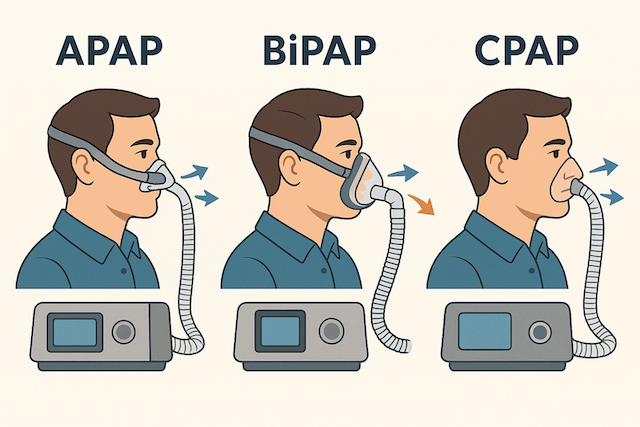
CPAP stands for continuous positive airway pressure. It is the standard first line treatment for obstructive sleep apnea, the condition where your upper airway repeatedly collapses during sleep and cuts off your breathing.
A CPAP machine is, at its core, a small fan with a humidifier, a heated tube, and a mask. The fan pushes a steady stream of pressurized air through the tube and into the mask. That gentle pressure acts like an internal splint. It holds your airway open so it cannot collapse, so you keep breathing normally, and so your sleep stops being shredded into hundreds of microawakenings every night.
That is the whole job. There is no medication, no surgery, no recovery period. You put it on, you breathe normally, and you let the machine do the work.
If you want a deeper look at the mechanics of airflow and pressure, my piece on how a CPAP machine works goes into the engineering side in more detail.
The Pieces You Will Use Every Night
Whatever brand of machine you ended up with, the basic kit is the same. There is the machine itself, which is the box that generates the pressurized air. There is the humidifier chamber, which is usually built into the machine and holds water that is warmed and added to the airflow so you do not wake up with a desert throat. There is the heated tube, which connects the machine to your mask and keeps the air at a comfortable temperature on its way to you. There is the mask, which can be a nasal pillow style, a nasal mask, or a full face mask depending on how you breathe and what your sleep doctor has fitted you for. And there is a small foam or paper filter at the back of the machine that catches dust before it gets pulled in.
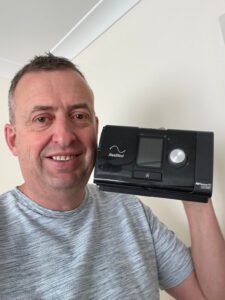
For context, I have been on a ResMed AirSense 10 for the better part of a decade. My first AirSense 10 ran for around four years before the internal motor bearing failed, and I replaced it with a second AirSense 10. I am currently weighing a move to the AirSense 11. For travel and camping I use a ResMed AirMini, which is the size of a paperback and has been the single best add on to my therapy life. None of that is a recommendation for you, just the perspective I write from.
Setting Up Your Machine for the First Time
Unbox everything and check that nothing is cracked, missing, or damaged in transit. Your supplier will usually have set the prescribed pressure for you in advance, but it is worth confirming with them before your first night that the machine is configured to your prescription.
Find a stable spot for the machine on your nightstand or a low shelf next to your bed. Slightly below the level of your pillow is ideal, because if any condensation forms inside the tube during the night, gravity pulls it back toward the humidifier rather than into your mask. Make sure there is enough room behind the machine for air intake. Do not push it flat against a wall.
Fill the humidifier chamber to the marked line with distilled water. This part matters. Tap water works in the short term, but the minerals in tap water leave behind a slow buildup of scale that shortens the life of the chamber and the heating element. Distilled water is cheap and it keeps the inside of the machine clean. If you live somewhere with very hard water, distilled is even more worth it.
Slot the chamber back into the machine, attach the heated tube to the outlet on the back of the machine, then connect the other end of the tube to your mask. Plug the machine into the wall but do not turn it on yet.
Fitting Your Mask
This is the step that breaks most new users. A mask that does not fit properly will leak, hiss, blow air into your eyes, and ruin your sleep. A mask that fits well disappears within a couple of minutes of putting it on.
There are three main mask categories, and your sleep clinic should have helped you choose the one that suits how you breathe. Nasal pillow masks have small soft inserts that sit just inside the nostrils. They are the lightest and least intrusive option, and they suit people who breathe through the nose all night. Nasal masks cover the nose without going inside it, sitting in between nasal pillows and full face masks in terms of footprint. Full face masks cover both the nose and the mouth. They are the right choice for mouth breathers, for people whose mouths fall open in sleep, and for anyone whose pressure is high enough that nasal only options struggle to seal.
I am a chronic mouth breather, so I have always used a full face mask. It was the right call from night one. I have never trialed a nasal pillow or nasal mask, so I cannot speak to those personally. If you are not sure which you should be on, ask your clinic. Some providers will let you trial more than one style.
To fit your mask, put it on while sitting upright on the edge of the bed. Tighten the straps just enough that the cushion sits flush against your skin. The most common mistake new users make is overtightening. The cushion needs to seal, not be crushed. If you have to crank the straps down to stop a leak, the mask is the wrong size or the wrong shape for your face. It is not a tension problem.
Once it feels comfortable, lie down in your usual sleep position and check the seal again. Faces change shape against a pillow. A mask that feels fine sitting up can leak the moment you roll onto your side. Adjust until it stays sealed when you are lying the way you actually sleep.
Your First Night on Therapy
Turn the machine on. Most modern CPAP machines start automatically when you put the mask on and start breathing, so you may not need to press anything at all. The fan will spin up and you will feel air moving through the mask.
Breathe normally. The instinct in those first few seconds is to fight the air, to push back against it on the exhale, to take quick shallow breaths. Try to resist that. The pressure is constant. It is not pumping air into you. It is just a steady cushion that is there waiting for you to breathe through it. Slow your breath down. Long in, long out, and the machine fades into the background.
If the pressure feels strong on your first night, that is what the ramp feature is for. Ramp starts the machine at a lower pressure and slowly raises it to your prescribed level over ten or twenty minutes, so you fall asleep before the full pressure kicks in. Almost every modern machine has it, and on most of them you can choose how long the ramp lasts. If it has not been switched on for you by default, dig into your machine settings or ask your clinician how to enable it.
Expiratory pressure relief is the other comfort feature worth knowing about. ResMed calls it EPR. Other brands have their own names for the same idea. It drops the pressure slightly when you exhale and raises it back when you inhale, so breathing out feels less like pushing against a wall. If your therapy feels harder than it should, ask whether EPR is on and whether it can be set higher.
Do not measure success by your first night. Almost nobody sleeps well the first time they put a CPAP mask on. The realistic expectation is that the first week is for getting used to the equipment, the second week is for sleeping through, and the next several weeks are for noticing the daytime change.
Common Early Problems and How to Handle Them
Pressure that feels overwhelming. This is the most common complaint in the first week. Turn on ramp if it is not already running. Ask your supplier whether your machine is on EPR and whether it can be set higher. If the pressure still feels too strong after a few weeks of consistent use, talk to your sleep doctor. The fix is almost never to give up on therapy.
Mask leaks. Air hissing out around the edges of the cushion will dry your eyes, wake you up, and crater your therapy data. Most leaks come down to a worn out cushion, straps that are too tight, or a mask shape that does not match your face. Cushions are wear items and they are meant to be replaced on a regular cycle. If you are still leaking with a fresh cushion and well adjusted straps, the issue is fit. My guide on why CPAP masks leak walks through the diagnosis in more detail.
Dry mouth, dry nose, or sore throat in the morning. This is almost always a humidity problem. Turn the humidifier setting up. If you are using a heated tube, raise the tube temperature a notch. If you are still drying out, ask whether you should be on a different mask type. Mouth breathers on a nasal mask will lose moisture through the open mouth all night no matter how high the humidity is set.
Claustrophobia and panic when you put the mask on. This is more common than people admit, and it is a real obstacle, not a character flaw. Wearing the mask during the day for short periods, with the machine off, while you watch television or read, helps your nervous system learn that the mask is safe. I wrote a longer guide on overcoming CPAP anxiety that walks through the desensitization approach in detail.
Aerophagia, which is swallowing air and waking up with a bloated stomach. This can happen when pressure is set higher than you actually need or when EPR is off. Mention it to your clinician. It is a fixable problem and not something you should learn to live with.
Cleaning and Maintenance
Clean equipment is comfortable equipment. Skip cleaning for too long and you will start to notice odors, skin breakouts on the cheeks where the cushion sits, and a general gunk that builds up in the tube and the chamber.
The daily routine is short. Wipe the mask cushion with a damp cloth and a small amount of mild soap. Empty any water left in the humidifier and let the chamber air dry during the day. That is enough on a daily basis.
Once a week, give the mask, the headgear, and the tube a proper wash in warm soapy water, rinse them well, and hang them to air dry out of direct sunlight. Wipe the outside of the machine with a dry cloth.
Once a month, check the air filter at the back of the machine. Disposable filters get replaced. Reusable ones get rinsed and dried.
Cushions, headgear, tubes, filters, and humidifier chambers all wear out on different schedules. My CPAP replacement schedule guide lays out what to swap and when. Running parts past their useful life is one of the most common reasons therapy quietly stops working as well as it used to.
Avoid alcohol, vinegar in high concentrations, scented wipes, and anything aggressive on mask silicone. Mild soap and water is genuinely all you need.
Habits That Make CPAP Work for the Long Term
Use it every night. Even one skipped night brings the symptoms back, and a few skipped nights in a row can undo weeks of progress. The single biggest predictor of long-term success on CPAP is consistency.
Do not normalize discomfort. If something hurts, leaks, dries you out, or feels wrong, that is information. Talk to your supplier or your clinician. The therapy is meant to feel unobtrusive once you settle in. When it does not, something is adjustable.
Pay attention to your data. Most modern CPAP machines either show your nightly stats on a small screen or sync them to a phone app. Please look at your AHI, usage hours, and leak rate periodically. Trends matter more than any single night.
Travel with it. CPAP is checked baggage friendly and most airlines do not count it toward your carry on allowance. I have flown internationally with mine, and the AirMini handles camping trips that would be impractical with a full size machine. If you are heading outdoors, my guide on camping with a CPAP machine has the practical setup notes.
When to Talk to Your Sleep Doctor
You should be back in touch with your clinician if your AHI on the machine is consistently above five, if you are still tired during the day after a few months of steady use, if a new symptom shows up, if the pressure no longer feels right, or if you have had a significant weight change, in medication, or in your nasal airway. Pressure prescriptions are not set in stone. They are meant to be reviewed.
A 2014 study presented through the American Academy of Sleep Medicine found that consistent CPAP use produced measurable reductions in blood pressure and improvements in arterial tone within weeks, and that those benefits reversed within days when therapy was stopped. The takeaway, both clinically and practically, is that the value of CPAP is in the consistency, not in any one night.
Frequently Asked Questions
How long until I feel better? Some people notice a change within days. Others take weeks. The pattern most users describe is that the daytime fog lifts before they consciously realize they are sleeping better.
Can I skip a night here and there? Try not to. Even one skipped night will usually bring the daytime tiredness back, and several skipped nights in a row will reset your tolerance and make the next night feel like starting over.
What if I cannot tolerate the pressure? Ramp and EPR are the first two levers. If those do not help, talk to your clinician about whether your prescribed pressure is correct or whether a different therapy mode is worth considering.
Do I really need distilled water? You do not strictly need it, but I strongly recommend it. The mineral buildup from tap water is a slow killer for humidifier chambers and heating elements.
How often should I replace parts? Cushions every couple of weeks to a couple of months, depending on the model. Tubes every six to twelve months. Filters monthly or per the machine instructions. The full schedule is on my replacement guide.
A Final Word
The first weeks of CPAP can be uncomfortable. The mask is unfamiliar, the airflow takes getting used to, and your sleep position has to adjust around the tube. None of that lasts. By the time you are a couple of months in, the equipment becomes background, the mornings become normal, and the question is no longer whether CPAP is worth it. The question is how you ever lived without it.
Stick with it through the awkward part. The other side is genuinely better.
⚠️ MEDICAL DISCLAIMER This blog provides general information only and is not a substitute for professional medical advice, diagnosis, or treatment. Sleep apnea is a serious condition, and CPAP equipment should be used under proper medical supervision. Always consult your doctor or sleep specialist before starting, stopping, or changing any therapy. I share personal experiences as a CPAP user, not as a medical professional. Individual results vary. For medical guidance, please consult a qualified clinician or the American Academy of Sleep Medicine (aasm.org).