Buying a Used CPAP Machine: What to Know Before You Do


A CPAP machine is not a cheap purchase, and once you start pricing out a new unit, it is tempting to look for a used one instead. Marketplace listings, estate sales, and forum classifieds are full of machines that barely look touched, often from people who gave up on therapy after a few weeks. On the surface, it can seem like an easy way to save money on a device you will rely on every night.
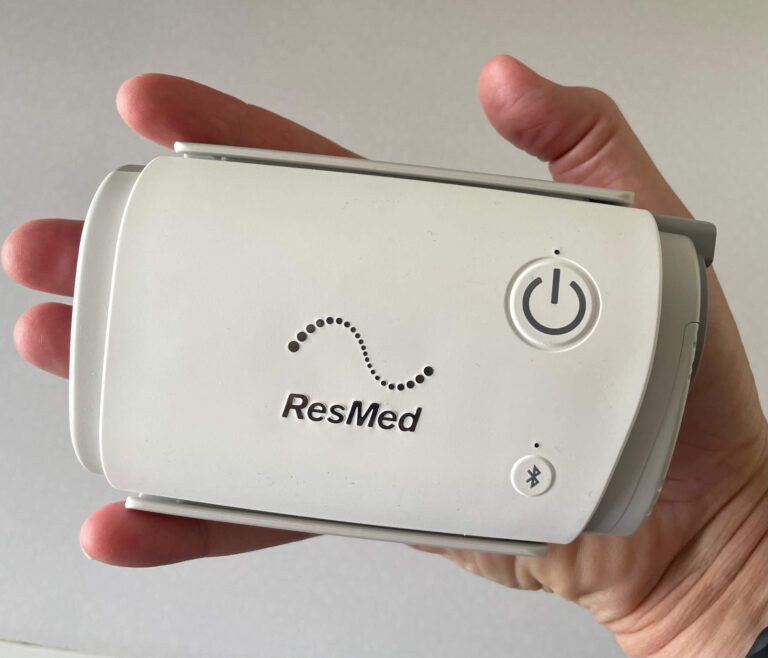
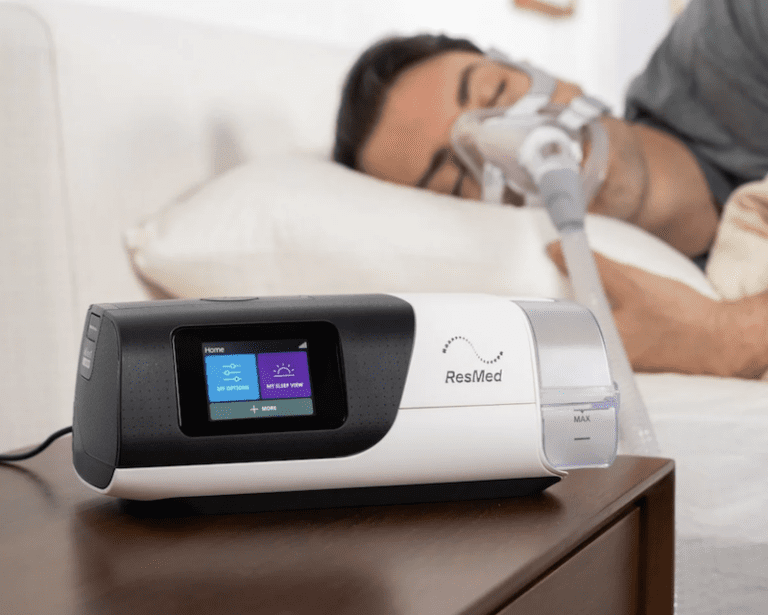
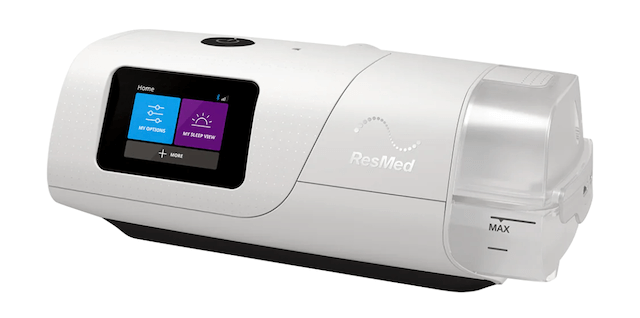
I have used CPAP for more than a decade, since being diagnosed with severe obstructive sleep apnea, and the machine has become one of the most important objects in my house. So I understand the impulse to shop around. I should be upfront, though: I have never bought a secondhand machine myself. I have run new ResMed AirSense 10 units the entire time, plus a small travel machine for trips, and I am currently weighing an upgrade rather than a sideways move into the used market. What follows is a researched buyer’s guide written from the patient’s side of the table, not a firsthand account of buying off the classifieds. My background is in computer science rather than medicine, so treat this as one long-term patient’s homework rather than medical advice.
The short version is that buying a used CPAP is more complicated than buying a used phone or a used bike, and a few of those complications are the kind you cannot see by looking at the listing. Here is what actually matters.
You almost certainly need a prescription
In the United States, a CPAP is not a general consumer product you can simply add to a cart. The FDA classifies CPAP machines as Class II medical devices, and they reclassified them from Class III to Class II back in 2018 while keeping the prescription requirement in place. In practice, that means a legitimate seller has to see a valid prescription before handing you a machine, whether the unit is new or used. The Sleep Foundation has a clear plain language explainer on why CPAP machines require a prescription if you want the regulatory detail.
This trips people up in the used market specifically, because a private seller on a marketplace is not a medical supplier and is not checking for anything. You can technically hand cash to a stranger and walk away with their old machine. That does not make it a good idea, and it does not give you what the prescription is actually for, which is a pressure setting matched to your body. A seller who is willing to ship you a machine with no questions asked is either ignoring the rules or is not the kind of supplier who will be around if something goes wrong.
If you do not yet have a diagnosis, that is the real first step, not the machine. A sleep study is what produces both the diagnosis and the prescription, and there are at-home testing options that make this far less of an ordeal than it used to be. I have more on that in my pages on getting a CPAP prescription and the at home sleep apnea test. <!– AFFILIATE POSITION 1 (Sleep Doctor): readers without a diagnosis need a sleep study + prescription path. Sleep Doctor offers a home test and sells equipment, which fits naturally here. Jeremy to insert /recommends/ slug. –>
A used machine is not set up for you
This is the part that gets lost when people treat a CPAP like a generic appliance. Your machine is tuned to your airway. The pressure it delivers comes from your sleep study and a process called titration, where a clinician works out how much air it takes to keep your airway open through the night. That number is personal. The pressure that works for the person selling their machine has nothing to do with the pressure that works for you.
When you buy used, you are buying hardware, not a treatment plan. The previous owner’s settings are not yours, and guessing at your own settings is a genuinely bad idea, since too little pressure leaves your apnea untreated and the wrong setup can leave you worse off than you started. You can read more about how this works on my pages covering CPAP titration and CPAP pressure settings. The machine itself usually has to be set by someone with your prescription in hand, which loops back to the prescription problem above. A used machine with no way to set it correctly is just an expensive fan.
You cannot see how clean it really is
I clean my own equipment on a routine, and even then the parts I can actually reach are the mask, the tubing, and the water chamber. The inside of the machine, where the motor and the air path live, is not something a normal user opens up and scrubs. That is fine when you have owned the machine from new and know its history. It is a problem when you are inheriting someone else’s.
You have no reliable way to know how a stranger stored or maintained their machine. Damp environments, skipped cleaning, pets, smoke, and humidifier water left sitting for months all leave a mark you cannot necessarily see. A poorly maintained unit can become a route for skin or respiratory irritation, which is the last thing you want from a device pushing air into your lungs for hours every night. At a minimum, anything that touches you or your air should be replaced rather than reused, but that still does not address whatever is happening deeper inside the machine. If you want a sense of what proper upkeep involves, my guide on how to clean a CPAP machine lays it out.
You cannot easily verify the hours or the wear
CPAP machines log usage, and most track total run hours internally. A used machine that has been run hard for years is closer to the end of its service life than a listing photo will suggest. The blower motor is a mechanical part that spins every night, and like any motor, it wears. My first AirSense 10 eventually failed at the blower after years of nightly use, so I am not speaking hypothetically when I say these are not forever machines.
The trouble with the used market is that the run hours are easy to overlook and not always something a casual seller will check or disclose. A machine that looks pristine can still be deep into its working life. I dig into expected service life on my page about how long a CPAP machine lasts, but the practical point is simple. With a used unit you are often buying an unknown amount of remaining life at a price that assumes there is plenty left.
The recall problem is real, and it is specific
There is one more reason to be careful in the used market that did not exist a decade ago. In June 2021, Philips Respironics recalled a large number of its CPAP, BiPAP, and ventilator machines because the foam used to quiet the device could break down, with the FDA reporting the recall affected roughly 15 million devices worldwide. The concern was that degraded foam particles could be breathed in. The situation escalated to a federal consent decree, and Philips stepped back from selling sleep machines in the United States during the fallout. The FDA keeps an updated hub on the recalled Philips machines with the model details.
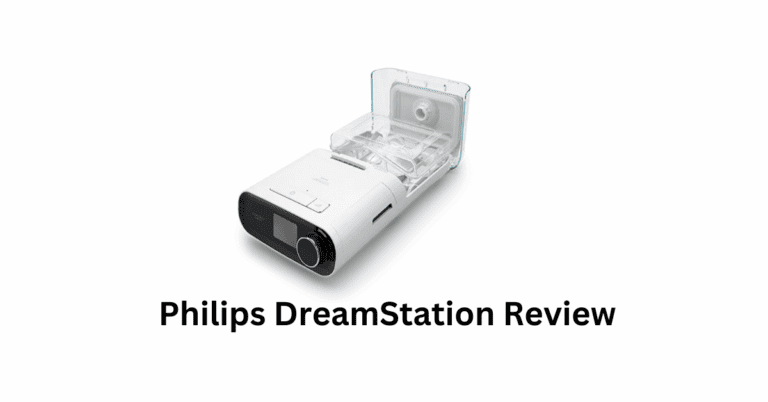
Why does this matter for buying used? Because recalled and reworked machines are exactly the kind of inventory that ends up resold by people who want to move them on. A bargain DreamStation in a listing is precisely the unit you would want to check against the recall before going near it. I cover that family of machines in my Philips DreamStation review. If you are looking at any used Philips respiratory device, confirm the exact model and serial number against the FDA recall list before you even think about buying. A private seller is under no obligation to tell you, and many genuinely do not know.
No warranty, no support, no paper trail
When you buy a machine new through a proper supplier, you get a warranty, a support line, and a relationship with a vendor who can help when something breaks or when your prescription needs renewing. Buy from a stranger and all of that disappears. If the motor dies in a month, that is your problem. If you need replacement parts, you are sourcing them yourself. If your insurance or a future supplier wants documentation, you have none.
This is also where insurance enters the picture. Coverage for CPAP equipment generally runs through prescriptions and approved suppliers, and a cash purchase off a marketplace sits entirely outside that system. If you are relying on insurance for your therapy, a used private sale can actually complicate things rather than save money. My pages on CPAP compliance and insurance and compliance get into how that monitoring works.
When a used machine can make limited sense
I want to be fair rather than absolute here, because there are narrow situations where used does not have to mean reckless. If you already have a valid prescription, you understand your own prescribed pressure, and you are buying from a reputable medical reseller rather than an anonymous classified listing, the picture changes. A legitimate refurbished unit from a supplier that verifies your prescription, services the machine, and stands behind it is a very different thing from a cash deal in a parking lot.
If you go that route, a few things are worth insisting on. Confirm the run hours rather than trusting the photos. Confirm the exact model and check it against any active recall. Replace every consumable, meaning the mask, the tubing, the filters, and the water chamber, before the machine touches your face. And make sure the machine can actually be set to your prescribed pressure, since a locked or undocumented unit is not useful to you. None of that makes a used machine equal to a new one, but it lowers the odds of the worst outcomes.
What I would not do is buy a machine with no prescription, no service history, and no recall check just because the number looked good. The savings are not worth treating your apnea with a device you cannot trust, and untreated or undertreated apnea carries real consequences. That is the whole reason I have stayed on therapy as long as I have, and you can read that story on my page about living with sleep apnea.
The case for buying new
For most people asking this question, the honest answer is that buying new, or buying properly refurbished through a real supplier, is the safer call. You get a machine with a known history, full service life, a current model that has not been superseded for safety reasons, a warranty, and a clean paper trail for insurance and prescriptions. The price difference between a sketchy used deal and a legitimate purchase is smaller than it looks once you account for replacement parts, the unknown remaining life of a used motor, and the risk of buying a recalled unit.
The bottom line
A used CPAP machine is not the same kind of secondhand bargain as a used coffee maker. It is a prescription medical device that has to be matched to your body, kept clean inside and out, checked against an active recall, and ideally backed by a supplier who will help when something goes wrong. None of those things come with a cash deal off a marketplace.
If you already have a prescription and you buy from a reputable medical reseller that services the machine and verifies your details, used can be a reasonable way to save money. Outside of that, the savings rarely justify the unknowns. Get the diagnosis, get the prescription, and put your money toward a machine you can actually trust to do its job every night. Your sleep, and everything downstream of it, is worth more than the discount.
⚠️ MEDICAL DISCLAIMER This blog provides general information only and is not a substitute for professional medical advice, diagnosis, or treatment. Sleep apnea is a serious condition, and CPAP equipment should be used under proper medical supervision. Always consult your doctor or sleep specialist before starting, stopping, or changing any therapy. I share personal experiences as a CPAP user, not as a medical professional. Individual results vary. For medical guidance, please consult a qualified clinician or the American Academy of Sleep Medicine (aasm.org).