How Much Does a CPAP Machine Cost?


If you have just been diagnosed with sleep apnea, the price of a CPAP machine is probably one of the first things on your mind, right behind the question of whether the therapy will actually help. It is a fair thing to ask. A CPAP machine is a piece of medical equipment you may sleep with every night for years, and the sticker on the box is only part of what you end up spending.
I want to be upfront about who is writing this. My background is in computer science, not medicine. I am not a doctor, and nothing here is medical or financial advice. What I can offer is the perspective of someone who has lived with severe obstructive sleep apnea for more than a decade and has paid for this therapy out of his own pocket the entire time. I have owned more than one machine, replaced a lot of supplies, and bought a separate travel unit so I could keep using therapy on the road. So while the specific prices below come from published research rather than my own receipts, I have a long and personal relationship with the broader reality these numbers describe.
The short version is that a CPAP machine itself usually costs somewhere in the range of several hundred to a couple of thousand dollars depending on the type and features, and the machine is only the beginning. The honest answer to “how much does CPAP cost” is that it is an ongoing expense, not a one-time purchase. Let me break down where the money actually goes.
What a CPAP Machine Itself Costs
The figures here come from published sources rather than my own experience, since I cannot share what I personally paid without misremembering the numbers. According to the Sleep Foundation, the price of a positive airway pressure machine depends heavily on which type you need and how advanced it is (https://www.sleepfoundation.org/cpap/how-much-do-cpap-machines-cost). Here is how the main types compare.
| Machine type | Typical price range |
|---|---|
| Standard CPAP | $500 to $1,000 |
| APAP (auto adjusting) | $600 to $1,600 |
| BiPAP (bilevel) | $1,700 to $3,000 |
| Travel CPAP | $500 to $1,000 |
It helps to understand that “CPAP” is often used loosely to mean any positive airway pressure device, when there are really a few different categories, and the differences drive the price. A true CPAP delivers one steady pressure all night and sits at the lower end. An APAP, or auto-adjusting machine, uses sensors to raise and lower the pressure as your breathing changes through the night, which is why it costs more. A BiPAP gives you a higher pressure when you breathe in and a lower one when you breathe out, so it is the most complex and the most expensive, usually reserved for more complicated cases. If you want the full picture of how these differ, I cover it in my breakdown of CPAP machine types and the difference between APAP, BiPAP, and CPAP.
For most people starting treatment for obstructive sleep apnea, the doctor begins with a standard CPAP or an APAP, so the lower end of that range is the realistic starting point. The very high numbers tend to belong to specialty machines that most newly diagnosed patients will never need.
Why the Price Range Is So Wide
A spread of several hundred to a few thousand dollars is enormous, and it confuses a lot of people. The width comes down to features, and this is one area where I can speak from genuine experience.
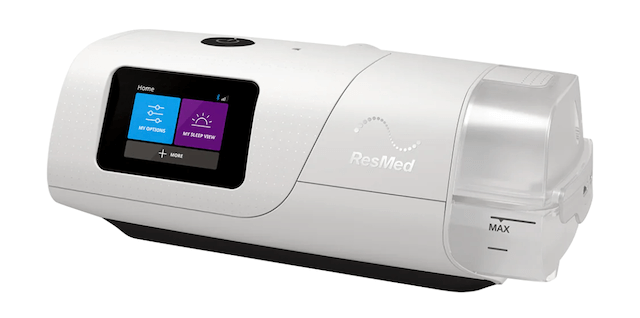
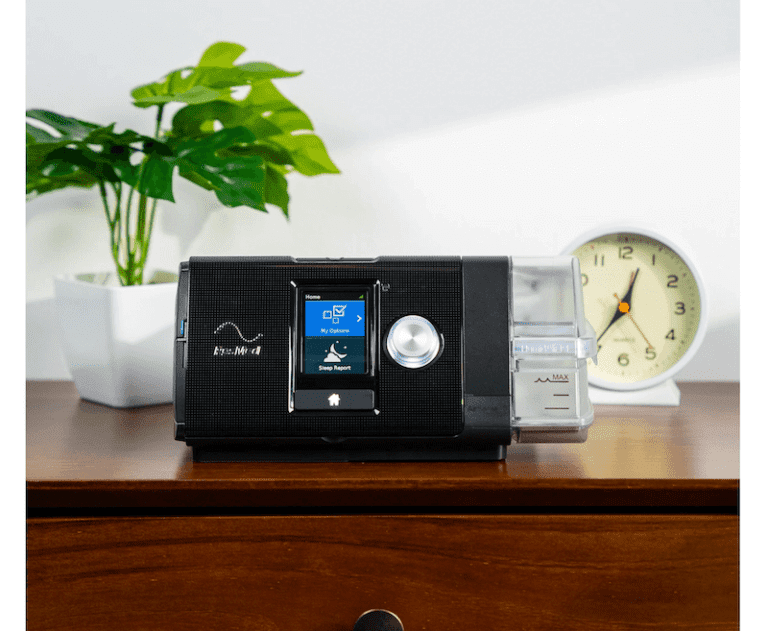
My everyday machine is a ResMed AirSense 10, and the thing I have come to value most about it is not anything flashy. It is the built-in humidifier and the consistency of the air it delivers. A machine without integrated humidification is cheaper, but for a chronic mouth breather like me who needs a full face mask, dry air is miserable, so I would never go without it. Humidification, auto-adjusting pressure, data tracking through an app, quieter motors, and smaller travel-friendly designs all push the price up. You are not just paying for a fan in a box. You are paying for comfort features that decide whether you actually stick with therapy.
That last point matters more than the price tag. A slightly more expensive machine that you tolerate every night is far better value than a cheap one that ends up in a closet. Compliance is the whole game with this therapy, and comfort drives compliance. If you want to see what separates the current options, I keep an updated look at the best CPAP machines and the role of features like heated tubing and humidification.
The Cost Almost Nobody Warns You About
Here is the part I wish someone had spelled out for me at the beginning. The machine is the obvious purchase. The supplies are the quiet, recurring one, and over the years they add up to a meaningful share of what CPAP therapy actually costs.
A CPAP system is not sealed and permanent. The mask frame, the cushion that sits against your face, the headgear, the tubing, the filters, and the humidifier water chamber all wear out and need replacing on a schedule. The Sleep Foundation publishes typical costs alongside how often each part needs replacing, which is the number that really matters, because these are repeat purchases for as long as you use the therapy.
| Supply | Typical cost | Typical replacement |
|---|---|---|
| Mask frame | $80 to $200 | Every 3 months |
| Mask cushion | $30 to $60 | Monthly |
| Headgear or straps | $20 to $40 | Every 6 months |
| Air filter | $5 to $20 | Monthly (disposable) or every 6 months (reusable) |
| Tubing or hose | $20 to $60 | Every 3 months |
| Humidifier water chamber | $20 to $40 | Every 6 months |
| Cleaning supplies | $20 to $40 | Every 3 to 6 months |
None of those numbers sound alarming on their own. The catch is that they repeat. I use a full face mask because I breathe through my mouth, and a full face cushion is a consumable. It loses its seal over time, the silicone degrades, and a leaking mask wrecks your sleep and your therapy data. So I replace cushions regularly, along with filters and tubing, and I keep a basic cleaning routine going. I have written about the practical side of this in my guide to the CPAP replacement schedule and what you actually need in terms of CPAP cleaning supplies. If you are budgeting for therapy, treat supplies as a standing line item, not an afterthought. Over more than a decade, the consumables have probably cost me as much attention as the machines themselves.
Insurance and Medicare in the United States
This section is research-based rather than personal. I live outside the United States and have never filed an American insurance or Medicare claim, so I am not going to pretend to walk you through it from memory. What I can do is point you to the official rules and summarize them honestly.
For people on Medicare, the relevant coverage falls under Part B as durable medical equipment. According to Medicare’s own published guidance, after you meet the Part B deductible, you generally pay twenty percent of the Medicare approved amount, and Medicare may cover an initial trial period for newly diagnosed obstructive sleep apnea before continuing coverage (https://www.medicare.gov/coverage/continuous-positive-airway-pressure-devices). Importantly, Medicare often pays a supplier to rent the machine for a set number of months of continuous use, after which the machine becomes yours. That move from rental to ownership surprises a lot of first-time patients who assume they are buying the device outright on day one.
Private insurance works in broadly similar ways but varies enormously by plan. Coverage usually requires a diagnosis and a prescription, and many plans also require proof that you are actually using the machine. That is where CPAP compliance becomes a financial issue and not just a clinical one. Insurers commonly track usage data, and falling short of their usage thresholds can affect whether they keep paying. I go deeper into how that monitoring works in my piece on CPAP insurance compliance. Before you assume anything is covered, the realistic move is to call your plan, ask about your deductible and coinsurance, and confirm which supplier you are required to use.
Paying Out of Pocket
Some people skip insurance entirely, either because they have no coverage, a very high deductible, or simply want the freedom to choose their own equipment and supplier. Paying out of pocket gives you flexibility, but it means you carry the full cost of the machine, the mask, and every replacement supply, and none of it counts toward an insurance deductible.
One thing that trips people up is the assumption that buying directly lets you avoid the medical system. In the United States, a CPAP machine is a prescription device, so you still need a prescription even when you pay cash. I explain the why and the how in my article on getting a prescription for a CPAP machine. Masks and many accessories can be bought without one, which is part of why supply costs are easier to manage on your own terms than the machine purchase.
People often ask about refurbished or used machines as a way to save money. A certified refurbished unit from a reputable supplier can be a reasonable option, often with a short warranty. Buying a used machine from a private seller or an online marketplace is a different matter. You have no reliable way to know how the device was maintained, how many hours are on the motor, or whether the settings were ever appropriate for you, and you usually lose any warranty protection. For a piece of equipment you rely on every night, that is a real gamble.
How Long Before You Buy Another One
A cost conversation that stops at the purchase price misses the long view. CPAP machines do not last forever. The motor and internal components wear, and at some point the machine reaches the end of its useful life and needs replacing. That replacement is part of the true long-term cost of therapy.
I am living proof of this. My first AirSense 10 served me well for the better part of a decade before it was time to move on, and I have been running a second one since. I am now weighing an upgrade to the newer ResMed AirSense 11, not because the older machine failed catastrophically, but because newer hardware brings improvements worth considering after this many years of nightly use. The takeaway is simple. When you budget for CPAP, picture the cost not as a single transaction but as a machine roughly every several years plus ongoing supplies in between. I dug into device lifespan and the signs it is time to replace in my guide to how long a CPAP machine lasts.
The Travel Machine Is a Separate Expense
If you travel or camp, there is one more cost worth flagging, because I made this choice myself. A full-size machine plus distilled water is bulky and awkward to haul around, so I bought a separate, smaller travel unit specifically for trips and camping. Insurance typically treats travel machines as a convenience rather than a medical necessity, which means this is usually an out-of-pocket purchase on top of your main device, and as the table above shows, a travel CPAP lands in roughly the same range as a standard one.
For me it has been worth it. Being able to keep up therapy on the road and under canvas, rather than skipping nights and feeling wrecked the next day, justified the extra spend. But it is genuinely extra. If a portable option is on your radar, I have written about my mini CPAP travel machine and the broader question of the best way to travel with a CPAP, including what changes when you are off the grid.
Ways to Keep the Cost Down
You do have some levers to pull. The most effective ones are not exotic:
- Ask your doctor for a list of acceptable machines rather than assuming there is only one option, then check what your insurance actually covers for each.
- Ask whether a payment plan is available so you are not paying everything at once.
- Compare the out-of-pocket price from more than one authorized supplier, since they do not all charge the same.
- Buy frequently replaced items like filters and cushions in multipacks or bundles, which usually beats single unit pricing.
- If you have a flexible spending or health savings account, check whether your machine and supplies qualify, since many do.
- Clean your equipment on schedule, because proper care extends the life of parts and delays replacements.
What I would steer you away from is treating the cheapest possible setup as the goal. The point of this equipment is to treat a serious condition. A machine you abandon because it is uncomfortable, or a worn mask that leaks all night, costs you far more in lost sleep and health than the few dollars you saved.
Is It Worth the Money?
I will not pretend to be neutral here, though I will keep it honest. When I was diagnosed, my AHI was 51, which is firmly in the severe range, meaning my breathing was interrupted dozens of times an hour. The cost of treating that has been real and ongoing. It has also been one of the better things I have spent money on, because the alternative, untreated severe sleep apnea, carries genuine risks to your health over the long term.
I cannot tell you what therapy is worth to you, and I am not the person to weigh your medical situation. That is a conversation for you and your doctor. What I can tell you, as a patient rather than a clinician, is that the full story of CPAP cost includes the machine, the steady drip of supplies, the occasional replacement device, and any travel gear you decide you need. Going in with eyes open beats getting surprised later. If you want the human side of all this rather than the spreadsheet, my account of living with sleep apnea covers the journey from diagnosis to where I am now.
Frequently Asked Questions
How much does a CPAP machine cost with insurance? It depends entirely on your plan. Many plans cover part or all of the device when it is prescribed for sleep apnea, but you may still owe a deductible, copay, or coinsurance, and some insurers require you to rent the machine for a period before you own it. The only reliable way to know your number is to ask your specific plan.
Does Medicare cover CPAP machines? Generally yes, under Part B as durable medical equipment, when the machine is prescribed for obstructive sleep apnea and you meet the requirements. Medicare commonly covers an initial trial period and then continues coverage if your records show the therapy is helping. After you meet the Part B deductible, you typically pay twenty percent of the approved amount.
Do you need a prescription to buy a CPAP machine? In the United States, yes. CPAP machines are prescription medical devices, so you need a prescription even if you are paying cash and buying directly. Many accessories like masks and tubing can be purchased without one.
What does CPAP cost per month? After the machine itself, ongoing costs come mainly from replacement supplies such as cushions, filters, and tubing, along with cleaning supplies. The monthly figure varies widely depending on your replacement schedule and whether insurance is sharing the cost, but it is best treated as a recurring expense rather than a one-off.
Is a refurbished CPAP machine a good way to save money? A certified refurbished machine from a reputable supplier can be reasonable and may come with a short warranty. Buying a used machine from a private seller is far riskier, since you cannot verify its condition, hours, or maintenance, and you usually have no warranty.
⚠️ MEDICAL DISCLAIMER This blog provides general information only and is not a substitute for professional medical advice, diagnosis, or treatment. Sleep apnea is a serious condition, and CPAP equipment should be used under proper medical supervision. Always consult your doctor or sleep specialist before starting, stopping, or changing any therapy. I share personal experiences as a CPAP user, not as a medical professional. Individual results vary. For medical guidance, please consult a qualified clinician or the American Academy of Sleep Medicine (aasm.org).