ResMed ApneaLink Air Review: I Check This Home Sleep Test

I still remember the worst night of “sleep” in my entire life—and it wasn’t because of my sleep apnea. It was the diagnostic sleep study itself.

Picture this: Electrodes glued to your scalp with sticky paste that takes days to fully wash out. Wires sprouting from your face, chest, and legs like you’re some kind of cyborg. A nasal cannula shoved up your nose. Chest straps so tight you can barely roll over. And a stranger watching you through a camera, waiting for you to fall asleep in this completely unnatural situation.

I managed maybe three hours of fitful sleep that night. When the results came back showing an AHI over 51 and oxygen levels that dropped to 78%, I remember thinking: “They’re basing my diagnosis on literally the worst night of sleep I’ve ever had. Is this really the best way to do this?”

Turns out, it wasn’t—and it isn’t anymore.

Fast forward to today, and the home sleep testing landscape has transformed dramatically. Devices like the ResMed ApneaLink Air represent exactly the kind of innovation I wish had existed when I got tested over a decade ago. Instead of spending a miserable night in an unfamiliar sleep clinic wired up like a science experiment, patients can now get diagnosed while sleeping comfortably in their own beds with just three simple components.

But here’s the critical question: Is home sleep testing with the ApneaLink Air actually accurate enough to replace traditional sleep labs? Or are you sacrificing diagnostic quality for convenience?

After over a decade of living with CPAP therapy and obsessively researching every aspect of sleep apnea diagnosis and treatment, I delved deeply into the clinical validation studies, spoke with sleep specialists who use the ApneaLink Air daily, and analyzed real patient experiences to bring you the unvarnished truth.

Whether you’re dreading the thought of a traditional sleep study (and honestly, who wouldn’t?) or trying to decide between home testing and an in-lab study, this comprehensive review will tell you everything you need to know about the ResMed ApneaLink Air—the technology behind it, how accurate it really is, what it actually costs, and whether it’s the right choice for diagnosing your obstructive sleep apnea.

What Is the ResMed ApneaLink Air?

ResMed ApneaLink Air Review

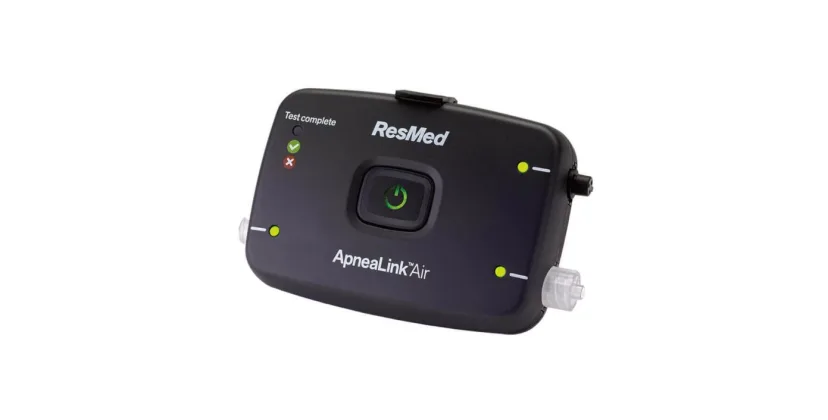
The ApneaLink Air is ResMed’s Type III home sleep apnea test (HSAT) device—and if you’re not familiar with the classification system, Type III means it records at least four channels of physiological data but doesn’t monitor brain waves or sleep stages like an in-lab study would.

Think of it as the sweet spot between convenience and diagnostic accuracy. It’s not as comprehensive as full polysomnography in a sleep lab, but it captures significantly more data than simpler screening devices while allowing you to sleep comfortably at home.

The device itself is remarkably compact—about the size of a deck of cards. It consists of three main components that work together to paint a detailed picture of your breathing during sleep:

  1. A chest belt with the main recording unit: This lightweight belt wraps around your chest and houses the central monitor. It tracks respiratory effort by measuring how much your chest moves with each breath.
  2. A nasal cannula: A thin tube with two soft prongs that sit just inside your nostrils. This measures airflow through your nose, detects breathing pauses, and even picks up snoring sounds.
  3. A pulse oximeter: A small sensor that clips onto your finger (usually your fourth finger) and continuously monitors your blood oxygen saturation levels and pulse rate throughout the night.

Here’s what makes the ApneaLink Air particularly clever: All three components connect to the central monitor on the chest belt, which records everything throughout the night. The device runs on just two AAA batteries and stores all your sleep data internally until your doctor downloads it for analysis.

What really sets this apart from older home sleep tests is ResMed’s integration with their AirView cloud-based software platform. Once your doctor downloads your data, it’s automatically analyzed and generates detailed reports showing your apnea-hypopnea index (AHI), oxygen desaturation patterns, snoring frequency, and respiratory effort—everything needed to diagnose obstructive sleep apnea and determine its severity.

How Does the ResMed ApneaLink Air Actually Work?

The genius of the ApneaLink Air lies in how it captures five critical data channels simultaneously. Let me break down what each component measures and why it matters for diagnosing sleep apnea:

1. Respiratory Flow (Nasal Airflow)

The nasal cannula contains a pressure transducer that detects changes in air pressure as you breathe. When airflow stops completely for 10 seconds or more, that’s classified as an apnea. When airflow reduces by 30-50% (depending on scoring criteria) along with an oxygen desaturation or arousal, that’s a hypopnea.

This is arguably the most critical measurement because it directly identifies breathing interruptions—the hallmark of sleep apnea. The pressure transducer technology is remarkably sensitive and can detect even subtle changes in breathing patterns.

2. Respiratory Effort

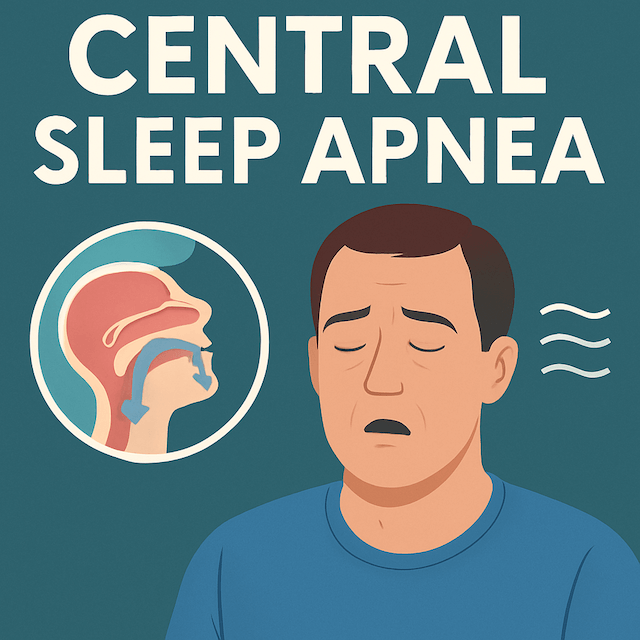
The chest belt uses respiratory inductance plethysmography to measure how much your chest expands and contracts with each breath. This is crucial for differentiating between obstructive sleep apnea and central sleep apnea.

With obstructive apnea (what I have), your chest keeps trying to breathe—you’ll see continued or even increased effort during an apnea as your body struggles against the blocked airway. With central apnea, both airflow and respiratory effort stop simultaneously because your brain temporarily fails to signal your breathing muscles.

Being able to make this distinction is clinically important because the treatments differ. CPAP therapy works great for obstructive apnea but doesn’t address central apneas, which sometimes require BiPAP or ASV therapy instead.

3. Blood Oxygen Saturation (SpO2)

The pulse oximeter uses photoplethysmography—shining light through your fingertip to measure how much oxygen your blood is carrying. When you stop breathing, oxygen levels drop. The depth and frequency of these desaturations provide crucial information about sleep apnea severity.

My own oxygen dropped to 78% during my diagnostic study, which was a major red flag. Normal oxygen saturation should stay above 90% throughout the night. Repeated dips below 88% suggest significant sleep-disordered breathing that can have serious health consequences.

The ApneaLink Air continuously tracks SpO2 throughout the night, creating a detailed graph showing every desaturation event. Your doctor can see not just your average oxygen levels, but how frequently they drop and how severe those drops are.

4. Pulse Rate

Your heart rate provides additional context about respiratory events. During an apnea, your heart rate typically drops as oxygen decreases, then spikes when breathing resumes. These characteristic patterns help confirm respiratory events and assess their cardiovascular impact.

Pulse rate data also helps identify potential central sleep apnea and can indicate whether your sleep apnea is severe enough to cause cardiac stress—an important consideration for people with existing cardiovascular issues.

5. Snoring

The nasal cannula’s pressure sensor also detects vibrations from snoring. While snoring alone doesn’t diagnose sleep apnea, the frequency and intensity of snoring throughout the night provides supporting evidence and helps paint a complete picture of your breathing patterns.

From a diagnostic standpoint, heavy snoring combined with breathing pauses and oxygen desaturations strongly suggests obstructive sleep apnea. The ApneaLink Air quantifies your snoring objectively—no more relying on a bed partner’s subjective reports about how loud you snore.

The Automated Analysis

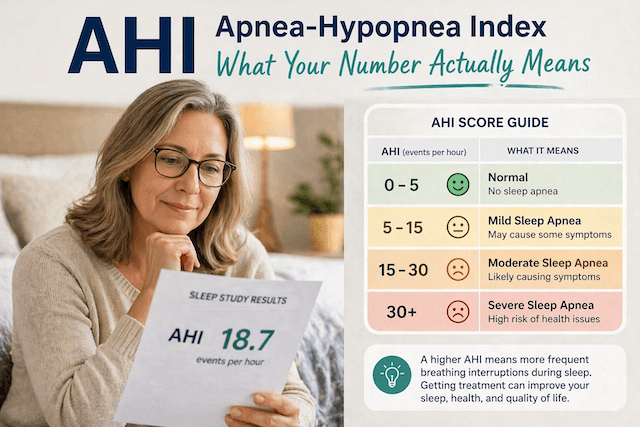
Once all this data is recorded, ResMed’s software automatically calculates your AHI—the average number of apneas and hypopneas you experience per hour of recording time. Note that home sleep tests typically calculate AHI based on total recording time rather than actual sleep time (since they don’t measure sleep directly), which can sometimes underestimate the true severity.

The software also generates reports showing:

  • Oxygen desaturation index (ODI) – how often your oxygen drops by 3% or 4%
  • Percentage of time spent below 88% oxygen saturation
  • Snoring patterns throughout the night
  • Differentiation between obstructive and central apneas
  • Probability of Cheyne-Stokes respiration (a breathing pattern common in heart failure patients)

Your doctor reviews these automated results, can manually review the raw data if needed, and makes the final diagnosis based on both the objective data and your symptoms.

ResMed ApneaLink Air Accuracy: What the Studies Actually Show

Okay, let’s address the elephant in the room: Can a simple three-component home test really match the accuracy of a full sleep lab study with 20+ sensors monitoring everything from brain waves to leg movements?

The short answer is: For diagnosing obstructive sleep apnea specifically, yes—the ApneaLink Air is highly accurate. But with some important caveats.

The Clinical Validation Data

The original ApneaLink device (the predecessor to the ApneaLink Air) underwent extensive validation. A landmark study published in the Journal of Clinical Sleep Medicine compared the ApneaLink simultaneously against full polysomnography in 68 patients with type 2 diabetes—a population at high risk for sleep apnea.

The results were impressive:

  • Sensitivity of 91% at an AHI threshold of 10 or more (meaning it correctly identified 91% of people with at least moderate sleep apnea)
  • Specificity of 95% at the same threshold (meaning it correctly ruled out sleep apnea in 95% of people without the condition)
  • Positive predictive value exceeding 80% across all severity levels

The study authors concluded that “the ApneaLink device provides both a high sensitivity and specificity at AHI levels of 10 or more” and validated it as an effective screening tool for clinical practice.

More importantly for patients, the researchers compared in-lab ApneaLink testing versus home ApneaLink testing in the same subjects. The home testing showed comparable accuracy, meaning the device works just as well in your own bedroom as it does in a supervised setting.

The Cheyne-Stokes Respiration Detection

A separate validation study published in Sleep examined the ApneaLink’s ability to detect Cheyne-Stokes respiration (CSR)—a specific breathing pattern characterized by crescendo-decrescendo cycles common in people with heart failure.

The device showed excellent diagnostic accuracy for CSR detection, with sensitivity and specificity both exceeding 90% when compared to polysomnography. This is clinically important because CSR requires different treatment approaches than standard obstructive sleep apnea.

Where the ApneaLink Air Excels

The device performs best at:

Detecting moderate to severe OSA: If your AHI is above 15 (moderate) or 30 (severe), the ApneaLink Air will almost certainly catch it. This is exactly where accurate diagnosis matters most from a health perspective.

Differentiating obstructive from central events: The respiratory effort sensor allows the device to distinguish whether apneas are obstructive (continued chest effort) or central (absent effort). This is something many simpler home tests can’t do.

Identifying oxygen desaturations: The pulse oximetry component is medical-grade and provides highly accurate SpO2 readings throughout the night.

Detecting respiratory event-related arousals: While the device doesn’t directly measure brain waves, the combination of flow, effort, and pulse data can identify arousal patterns associated with respiratory events.

The Limitations to Understand

Here’s where I need to be honest about the ApneaLink Air’s constraints:

No brain wave monitoring: Without EEG electrodes, the device can’t measure actual sleep time or sleep stages. This means the AHI is calculated based on total recording time, not sleep time. If you spent 8 hours in bed but only slept 6 hours, your AHI could be underestimated by 25%.

Requires nasal breathing: The nasal cannula measures airflow through your nose. If you’re a pure mouth breather (like many people with deviated septums), the device might miss breathing events entirely. This is actually a significant limitation that can lead to false-negative results in mouth breathers.

Cannot diagnose other sleep disorders: The ApneaLink Air is specifically designed for sleep apnea diagnosis. It cannot detect conditions like periodic limb movement disorder, REM sleep behavior disorder, narcolepsy, or other non-respiratory sleep disorders.

May miss mild OSA: Because the AHI calculation is based on recording time rather than sleep time, people with mild sleep apnea (AHI 5-15) might test as “normal” even though they actually have the condition.

Limited in complex cases: People with significant heart or lung disease, neuromuscular disorders, or chronic opioid use often need the more comprehensive monitoring of an attended sleep study.

My Take on ApneaLink Air Accuracy

After over a decade managing severe sleep apnea and analyzing my CPAP data almost nightly, here’s my honest assessment: For the vast majority of people with classic obstructive sleep apnea symptoms (snoring, witnessed breathing pauses, daytime sleepiness), the ApneaLink Air is more than accurate enough to make an appropriate diagnosis.

The studies back this up—sensitivity and specificity in the 90%+ range means it’s catching the overwhelming majority of cases that matter clinically. And frankly, sleeping in your own bed provides more representative data than a single night in an unfamiliar sleep lab environment.

Where I’d have concerns: If you’re a mouth breather, have very mild symptoms, or your doctor suspects you might have multiple sleep disorders beyond just apnea. In those scenarios, an in-lab study might still be the better call.

But for someone like me—with classic severe OSA symptoms, nasal breathing, and no complex comorbidities—a device like the ApneaLink Air could have diagnosed my condition just as accurately as that miserable night in the sleep lab, while letting me sleep comfortably in my own bed.

How to Use the ResMed ApneaLink Air: Complete Step-by-Step Guide

One of the ApneaLink Air’s biggest advantages is how simple it is to set up and use. Unlike traditional sleep lab studies that require a technician to attach dozens of sensors, this device has just three components that you can easily manage yourself at home.

Here’s your complete guide to using the ApneaLink Air, from setup to completion:

Before You Start: The Pre-Test Checklist

Before your testing night, make sure you have everything you need:

  • ✓ The ApneaLink Air device with chest belt
  • ✓ Nasal cannula (should be new/clean for each test)
  • ✓ Pulse oximeter sensor (either reusable or disposable adhesive type)
  • ✓ Two fresh AAA batteries (often pre-installed, but check)
  • ✓ Optional: Medical tape to secure the nasal cannula if you’re an active sleeper
  • ✓ Your doctor’s instructions and any specific notes about your test

Important timing note: Try to maintain your normal sleep routine on test night. Going to bed significantly earlier or later than usual, drinking alcohol, or taking sleep medications (unless prescribed regularly) can all affect test accuracy.

Step 1: Check the Battery

Open the battery compartment on the recording device (the small monitor attached to the chest belt) and verify that two AAA batteries are properly installed. The device should show a green light when you press the power button briefly to check battery status.

If the batteries are low or missing, replace them with fresh ones before proceeding.

Step 2: Put On the Chest Belt

This is the easiest part:

  1. Wear the belt over your clothing (pajama top or nightshirt). Don’t place it directly on bare skin—the belt needs to fit snugly but clothing provides cushioning and keeps it from slipping.
  2. Position the monitor in the center of your chest. The sensor should sit roughly between your nipples (or where a tie knot would rest if you were wearing one).
  3. Fasten the belt snugly. It should be tight enough that it doesn’t slide around when you move, but not so tight that it’s uncomfortable or restricts breathing. You should be able to slide two fingers under the belt comfortably.
  4. Check the respiratory effort sensor connection. Make sure the belt’s connection to the monitor is secure—there’s usually a small port where the belt’s sensor wire plugs in.

Step 3: Attach the Nasal Cannula

The nasal cannula is the component most people find slightly annoying, but it’s essential for detecting airflow:

  1. Hold the cannula with the two prongs facing downward. The curved prongs should point toward your nostrils.
  2. Gently insert the prongs into your nostrils. They should sit just inside the opening of each nostril—don’t shove them deep into your nose. Just barely inside the rim of each nostril is perfect.
  3. Loop the tubing over both ears, similar to how eyeglasses sit. The tubing should rest on top of your ears.
  4. Slide the adjuster under your chin to secure the cannula. There’s typically a small sliding piece that you pull toward your chin to tighten the loop around your head.
  5. Optional tape securing: If you’re a restless sleeper or concerned about the cannula dislodging, use medical tape (provided by some sleep clinics) to secure the tubing to your cheeks. A small piece of tape on each side of your face can prevent the cannula from pulling out if you move around.
  6. Connect the cannula tubing to the monitor. There should be a dedicated port on the device for the nasal cannula—push firmly until you hear or feel it click into place.

Step 4: Attach the Pulse Oximeter

There are two types of pulse oximeters you might receive:

Reusable sensor (looks like a clothespin):

  • Place your fourth finger (ring finger) of your non-dominant hand into the sensor
  • The sensor should clip onto your fingertip with the cable coming off the top
  • Make sure your finger is inserted fully so the sensor can read properly
  • The sensor should feel snug but not painful

Disposable adhesive sensor (looks like a flexible bandage):

  • Remove the backing from the adhesive sensor
  • Wrap it around your fourth finger of your non-dominant hand
  • The sensor portion should sit on top of your fingertip, with the cable pointing toward your hand
  • Fold and wrap the adhesive tabs around your finger to secure it
  • Make sure it’s snug enough to stay in place but not cutting off circulation

Why the fourth finger and non-dominant hand? The fourth finger typically has good blood flow for accurate readings, and using your non-dominant hand means you’re less likely to accidentally dislodge it if you move that hand during sleep.

Connect the oximeter cable to the monitor—there should be a clearly labeled port for the pulse oximeter connection.

Step 5: Double-Check All Connections

This is crucial: Before turning on the device, verify that all three components are properly connected to the monitor:

  • Respiratory effort sensor (from the chest belt)
  • Nasal cannula
  • Pulse oximeter

Each connection point usually has an indicator light that will show green when properly connected and red if there’s an issue.

Step 6: Power On and Verify Signals

Once everything is connected:

  1. Press and hold the power button for a few seconds until the device turns on.
  2. Check all indicator lights:
    • Respiratory effort indicator: Should turn green if the belt is positioned correctly
    • Nasal flow indicator: Should turn green if the cannula is connected and detecting airflow
    • Oximetry indicator: Should turn green if the pulse oximeter is detecting your pulse and oxygen levels
  3. If any lights show red:
    • Check that the component is securely plugged into the monitor
    • For the chest belt, make sure it’s snug enough
    • For the cannula, make sure the prongs are in your nostrils and you’re breathing normally through your nose
    • For the oximeter, make sure your finger is fully inserted and the sensor is snug
  4. Once all lights are green, you’re ready to sleep. The lights will automatically dim after about 10 minutes so they don’t disturb your sleep.

Step 7: Sleep Normally

Here’s the part that’s actually easier than it sounds: Just go to sleep as you normally would.

A few tips for the best test results:

  • Sleep in your usual position. Whether you’re a back sleeper, side sleeper, or combination, sleep however you normally do. Don’t change positions just for the test.
  • Avoid sleeping on your stomach if possible. The prone position can interfere with the chest belt sensor and may cause data quality issues.
  • Try to get at least 4-6 hours of sleep. The more data recorded, the more accurate your results will be.
  • Don’t worry if you wake up during the night. The device continues recording. If you need to get up to use the bathroom, that’s fine—just leave the device on.
  • If you’re a CPAP user being retested, follow your doctor’s instructions about whether to use your CPAP during the test. Usually for initial diagnosis you won’t use CPAP, but for follow-up testing you might.

Step 8: Wake Up and Stop the Test

When you wake up in the morning:

  1. Press the power button to turn off the test. The recording will stop and data will be saved.
  2. Check the “Test Complete” indicator:
    • Green light: Great! The test collected adequate data. You’re done and can return the device to your doctor.
    • Red light: The test didn’t collect enough valid data. This might mean:
      • One of the sensors disconnected during the night
      • The belt wasn’t tight enough
      • The nasal cannula came out
      • Battery died (rare with fresh batteries)
  3. If the test complete light is red, contact your doctor or the sleep clinic that provided the device. They’ll give you instructions—usually you’ll need to repeat the test another night.

Step 9: Remove Everything and Pack It Up

Carefully remove all three components:

  • Remove the pulse oximeter from your finger
  • Take out the nasal cannula (dispose of it if it’s single-use)
  • Unfasten and remove the chest belt

Don’t turn the device back on or press buttons unnecessarily. The data is stored internally and your doctor will download it using special software.

Pack everything back into whatever case or bag your doctor provided, making sure not to disconnect any cables that need to stay attached to the recording unit.

Step 10: Return the Device and Get Your Results

Return the ApneaLink Air to your doctor’s office or sleep clinic according to their instructions—usually within 1-2 business days after completing your test.

Your doctor will:

  • Download the recorded data using ResMed’s software
  • Review the automated analysis and reports
  • Manually review portions of the raw data if needed
  • Generate a detailed report with your diagnosis

Most doctors can provide results within a few days to a week. If you’re diagnosed with sleep apnea, your next steps will typically involve:

  • Discussing treatment options (usually CPAP therapy for moderate to severe OSA)
  • Getting fitted for a CPAP mask if you’re prescribed CPAP
  • Potentially undergoing a CPAP titration study to determine optimal pressure settings (though many doctors now start with auto-adjusting CPAP machines)

Common Troubleshooting Tips

The nasal cannula keeps coming out: Use medical tape to secure the tubing to your cheeks. A small piece on each side makes a big difference.

The finger sensor keeps showing a red light: This can happen due to poor circulation, cold hands, or finger movement. Try:

  • Warming up your hands before bed
  • Using a different finger
  • Making sure the sensor is snug but not too tight
  • Keeping that hand relatively still

The chest belt feels uncomfortable: You might have it too tight. It should be snug but not restrictive. You should be able to breathe comfortably and deeply.

I’m a mouth breather—will this work?: This is a legitimate concern. If you breathe primarily through your mouth due to nasal congestion or a deviated septum, the nasal cannula might not capture accurate airflow data. Discuss this with your doctor before the test—they might recommend trying nasal strips or decongestants, or might suggest a different type of home sleep test.

Who Should (and Shouldn’t) Use the ResMed ApneaLink Air

Based on both the clinical evidence and my understanding of how sleep apnea diagnosis works in practice, here’s my honest take on who benefits most from the ApneaLink Air—and who might need a different testing approach.

Ideal Candidates for ApneaLink Air Testing

People with classic OSA symptoms: If you’re snoring loudly, your bed partner reports you stop breathing during sleep, you wake up gasping or choking, and you’re excessively tired during the day—you’re a textbook case for home sleep testing. The ApneaLink Air will almost certainly capture what’s happening.

Patients without complex medical issues: If you don’t have significant heart disease, chronic lung conditions (COPD, pulmonary fibrosis), neuromuscular disorders, or aren’t on chronic opioid medications, you’re a good candidate for home testing.

Nasal breathers: If you primarily breathe through your nose during sleep, the nasal cannula will accurately capture your breathing patterns. This is important—the device won’t work well for pure mouth breathers.

People who can’t tolerate sleep lab environments: If you have claustrophobia, severe anxiety, or simply cannot sleep away from home, the ApneaLink Air provides a valid diagnostic alternative. Getting 6 hours of natural sleep at home is better than 2 hours of fitful sleep in a lab.

Those seeking convenience and lower cost: Home sleep testing with the ApneaLink Air typically costs $150-500 versus $1,000-3,000 for an in-lab study. If you’re paying out-of-pocket or have high insurance deductibles, this is a significant consideration.

Frequent travelers or shift workers: Since the device is portable and doesn’t require a scheduled lab appointment, it offers flexibility. You can test on a night that works for your schedule.

Current CPAP users monitoring treatment: If you’re already on CPAP therapy and your doctor wants to verify your treatment is working effectively, the ApneaLink Air can be used while wearing your CPAP mask. The finger oximeter and flow monitoring can show whether you’re still having residual breathing events or oxygen desaturations despite treatment.

When the ApneaLink Air Probably Isn’t Your Best Choice

Suspected central sleep apnea as primary diagnosis: While the device can differentiate obstructive from central events, if your doctor strongly suspects primary central sleep apnea (often related to heart failure, stroke, or opioid use), an attended sleep study with EEG monitoring is usually preferred for initial diagnosis.

You’re a pure mouth breather: This is a dealbreaker. If you have severe nasal congestion, significant deviated septum, or chronically breathe through your mouth during sleep, the nasal cannula won’t capture accurate data. You’ll likely need either an in-lab study or a different home test that monitors both nasal and oral airflow.

Multiple suspected sleep disorders: If your doctor thinks you might have sleep apnea plus another condition (periodic limb movement disorder, REM sleep behavior disorder, narcolepsy, severe insomnia), you’ll need the comprehensive monitoring of full polysomnography with EEG, EMG, and video recording.

Significant cardiopulmonary disease: People with unstable heart failure, severe COPD, pulmonary hypertension, or recent heart attack typically need the attended monitoring and safety measures of an in-lab study.

Morbid obesity with suspected hypoventilation: If you have a BMI over 40 and your doctor suspects you might have obesity hypoventilation syndrome in addition to OSA, an in-lab study with arterial blood gas monitoring might be necessary.

Children under 2 years old: The ApneaLink Air isn’t validated for very young children. Pediatric sleep apnea in this age group requires specialized testing.

You need documentation for specific medical clearances: Some situations (like pilot medical certification or certain disability claims) specifically require attended polysomnography rather than home testing.

Previous failed home sleep test: If you’ve already tried home testing and got inconclusive results (inadequate data, technical problems, or results that didn’t match your symptoms), an in-lab study under direct observation might be necessary.

The Grey Areas: When It Could Go Either Way

Mild symptoms with high clinical suspicion: If you have subtle symptoms but significant risk factors (severe obesity, large neck circumference, family history), the ApneaLink Air might miss mild OSA. Your doctor should weigh the convenience of home testing against the possibility of a false-negative result.

Positional sleep apnea: The ApneaLink Air doesn’t track body position. If your doctor suspects your apnea occurs primarily when sleeping on your back, they might want either a positional sensor added to the test or an in-lab study that monitors position.

Workers’ compensation or legal cases: Some jurisdictions or insurance situations specifically require attended polysomnography for legal or disability documentation. Check with your lawyer or case manager.

ResMed ApneaLink Air Cost: What You’ll Actually Pay

Here’s where things get complicated—and frustratingly opaque. Unlike consumer products with clearly listed prices, the cost of ApneaLink Air testing varies significantly based on your healthcare provider, insurance coverage, and location.

Let me break down what I’ve learned about the actual costs involved:

The Provider’s Perspective

Sleep clinics and doctors’ offices purchase the ApneaLink Air device from ResMed at wholesale prices. The device itself is reusable—it’s not a single-use product. Clinics typically buy several units and rotate them among patients.

The clinic’s costs include:

  • Initial device purchase (hardware)
  • AirView software licensing (for cloud-based analysis)
  • Disposable components (nasal cannulas, adhesive pulse oximeter sensors)
  • Staff time for patient education and data analysis
  • Report generation and physician interpretation

What Patients Pay

With Insurance Coverage:

Most major insurance plans, including Medicare, cover Type III home sleep apnea testing when it’s medically necessary (meaning you have symptoms suggesting sleep apnea).

Your out-of-pocket cost depends on:

  • Whether you’ve met your deductible for the year
  • Your insurance plan’s coinsurance percentage
  • Whether the sleep clinic is in-network or out-of-network

Typical patient costs with insurance:

  • $0-50 if you’ve met your deductible and have good coverage
  • $50-200 if you have a copay or coinsurance
  • $150-500 if you haven’t met your deductible yet

Medicare coverage: Medicare Part B covers home sleep apnea testing under specific conditions. You’ll typically pay 20% of the Medicare-approved amount after meeting your deductible.

Without Insurance (Self-Pay):

If you’re paying entirely out-of-pocket, expect to pay somewhere in the $150-500 range for ApneaLink Air testing, including:

  • Device rental for 1-2 nights
  • All disposable components
  • Data analysis and interpretation
  • Physician report with diagnosis

This is significantly less expensive than in-lab polysomnography, which typically costs $1,000-3,000 for self-pay patients.

The Geographic Factor

Costs vary considerably by location. Home sleep testing in major metropolitan areas (New York, San Francisco, Los Angeles) tends to be more expensive than in smaller cities or rural areas. The same test might cost $200 in one state and $400 in another.

Hidden Costs to Consider

Follow-up testing: If your initial ApneaLink Air test is inconclusive (inadequate data, technical problems), you might need to repeat the test. Some clinics include one repeat test in the initial price; others charge separately.

CPAP titration: If you’re diagnosed with sleep apnea, you might need a CPAP titration study to determine optimal pressure settings—though many doctors now prescribe auto-adjusting CPAP machines that eliminate this need.

Equipment costs: Once diagnosed, you’ll need to purchase or rent a CPAP machine and mask, which can run $200-2,500 depending on your insurance and the equipment prescribed.

Comparing Costs: ApneaLink Air vs. Sleep Lab

Here’s a rough comparison of what you’d pay for different diagnostic approaches:

ApneaLink Air home test:

  • With insurance: $0-200 typically
  • Without insurance: $150-500

In-lab polysomnography:

  • With insurance: $100-500 (depending on deductible/coinsurance)
  • Without insurance: $1,000-3,000

Split-night study (diagnostic + titration in one night):

  • With insurance: $200-800
  • Without insurance: $1,500-4,000

The cost savings of home testing is clear, but remember—home testing only works if it captures adequate data and you’re a good candidate for this type of study.

Getting the Best Value

Tips for minimizing costs:

  1. Verify insurance coverage before scheduling. Call your insurance and ask specifically about coverage for “home sleep apnea testing” or “Type III sleep study.”
  2. Choose an in-network provider. Out-of-network testing can cost significantly more.
  3. Ask about self-pay discounts. If you’re paying cash, many clinics offer reduced rates—sometimes 30-50% less than their insurance billing rates.
  4. Bundle services if possible. Some clinics offer packages that include testing, diagnosis, CPAP setup, and follow-up for one bundled price.
  5. Check if your employer offers testing through wellness programs. Some large employers provide free or subsidized sleep apnea screening.
  6. Consider telehealth sleep medicine providers. Some online sleep medicine practices offer home testing at competitive prices and can prescribe treatment remotely.

My Take on ApneaLink Air Value

From a pure cost-benefit perspective, the ApneaLink Air represents excellent value—especially for people with moderate to severe sleep apnea symptoms. You’re getting highly accurate diagnostic information for a fraction of the cost of a sleep lab study, with the added benefit of sleeping in your own comfortable bed.

The caveat is that home testing only saves you money if it works correctly the first time. If you’re a mouth breather or have other factors that make home testing less reliable, you might end up needing an in-lab study anyway—and you’ve paid for both.

My advice: If you’re a good candidate for home testing (nasal breather, classic symptoms, no complex medical issues), the ApneaLink Air is absolutely worth the cost. If there are question marks about whether home testing will capture accurate data in your case, discuss thoroughly with your doctor before committing.

ApneaLink Air vs. In-Lab Sleep Study: The Honest Comparison

Having experienced the misery of traditional sleep lab testing myself, I have strong opinions about this comparison. But let me try to be objective and lay out the genuine pros and cons of each approach.

Advantages of the ApneaLink Air Home Test

Comfort and Natural Sleep Environment: This cannot be overstated. You’re sleeping in your own bed, with your own pillows, at your usual temperature, without strangers watching you through cameras. For most people, this means significantly better sleep quality and more representative data than a single night in an unfamiliar clinic.

Lower Cost: Typically 70-85% less expensive than in-lab testing, whether you’re paying out-of-pocket or through insurance.

No Scheduling Delays: Sleep labs often have 4-8 week waiting lists. Home sleep testing can usually be scheduled within days.

Flexibility: Test on a night that works for your schedule. If you’re a shift worker or have an irregular sleep schedule, this is huge.

Multi-Night Testing Possibility: Because it’s less expensive and more convenient, some doctors will prescribe 2-3 nights of home testing to capture night-to-night variability. This can actually provide better data than a single night in a lab.

Minimal Equipment: Just three components versus 20+ sensors attached to your head, face, chest, and legs. Much less likely to disconnect or malfunction.

Travel-Friendly: The compact device can be used anywhere—even when traveling.

Perfect for CPAP Compliance Monitoring: If you’re already on therapy and your doctor wants to verify effectiveness, wearing the ApneaLink Air with your CPAP mask is easy and unobtrusive.

Where In-Lab Polysomnography Wins

Comprehensive Data Collection: Full PSG monitors brain waves (EEG), eye movements (EOG), muscle tone (EMG), leg movements, body position, and more. This allows diagnosis of disorders beyond just sleep apnea.

Direct Observation: A technician is watching throughout the night and can intervene if sensors disconnect or if there are safety concerns.

Accurate Sleep Time Measurement: With EEG monitoring, the lab can calculate your true AHI based on actual sleep time rather than just recording time.

Better for Complex Cases: If you have heart failure, severe COPD, neuromuscular disease, or take chronic opioids, the safety and comprehensiveness of attended monitoring is important.

Can Diagnose Multiple Disorders: Can identify periodic limb movements, REM behavior disorder, central sleep apnea patterns, narcolepsy features, and more.

Split-Night Studies: If you have severe OSA, the technician can fit you with CPAP during the same night and begin titrating pressure—saving you a second study.

Eliminates Uncertainty: The technician ensures all sensors are working properly throughout the night. No wondering whether you got adequate data.

The Critical Limitations of Each

ApneaLink Air limitations:

  • Cannot diagnose non-respiratory sleep disorders
  • May underestimate AHI (calculating from recording time not sleep time)
  • Requires patient to set up correctly
  • Won’t work for mouth breathers
  • No direct monitoring if something goes wrong
  • Cannot perform CPAP titration same night

In-Lab PSG limitations:

  • Expensive and often not covered fully by insurance
  • Uncomfortable and unnatural sleep environment
  • Long waiting lists (often 4-8 weeks)
  • “First night effect” – many people sleep poorly due to the unfamiliar environment
  • All those sensors and wires are annoying and can affect sleep quality
  • Time-consuming (usually requires arriving 2 hours before bedtime)
  • Inconvenient (entire night away from home)

What the Research Says

Multiple studies have compared home sleep testing (including the ApneaLink) against in-lab polysomnography. The consistent finding: For diagnosing obstructive sleep apnea in patients with high pretest probability (meaning they have classic symptoms), home testing performs very well with sensitivity and specificity typically in the 85-95% range.

The American Academy of Sleep Medicine’s clinical practice guidelines state that home sleep apnea testing is appropriate for patients with a high pretest probability of moderate to severe OSA without significant comorbidities.

My Personal Verdict

If I were being tested today for the first time, knowing what I know now, I would absolutely choose the ApneaLink Air over returning to a sleep lab—assuming I met the criteria for home testing.

Here’s why: With an AHI over 60, severe daytime symptoms, and witnessed apneas from my partner, I had obvious moderate to severe OSA. The ApneaLink Air would have captured that easily, diagnosed me accurately, and saved me from one of the worst nights of “sleep” I’ve ever experienced.

The only scenarios where I’d choose the sleep lab:

  1. If I were a pure mouth breather
  2. If my symptoms were very mild and subtle
  3. If I had complex medical issues requiring monitored safety
  4. If my doctor strongly suspected I had another sleep disorder in addition to apnea

For everyone else with classic OSA symptoms—snoring, breathing pauses, daytime tiredness—the ApneaLink Air offers the rare combination of better patient experience, lower cost, and comparable accuracy. That’s a win-win-win in my book.

Frequently Asked Questions About the ResMed ApneaLink Air

How accurate is the ResMed ApneaLink Air compared to a sleep lab study?

Clinical studies show the ApneaLink Air has sensitivity and specificity in the 85-95% range for detecting moderate to severe obstructive sleep apnea compared to in-lab polysomnography. For patients with classic OSA symptoms (snoring, witnessed breathing pauses, daytime sleepiness), it provides highly accurate diagnosis. However, it may underestimate AHI severity since it calculates based on total recording time rather than actual sleep time.

Can I buy the ResMed ApneaLink Air for personal use?

No, the ApneaLink Air is only sold to healthcare providers and sleep clinics. You cannot purchase it directly as a consumer. To use this device, you need a prescription from a doctor who will rent you the equipment as part of a complete sleep study package including data analysis and diagnostic interpretation.

How much does an ApneaLink Air test cost?

Costs vary widely based on insurance and location. With insurance coverage, most patients pay $0-200 out-of-pocket depending on their deductible and coinsurance. Self-pay costs typically range from $150-500, which is significantly less than in-lab sleep studies that cost $1,000-3,000.

Will the ApneaLink Air work if I breathe through my mouth?

This is a significant limitation. The nasal cannula measures airflow through your nose, so if you primarily breathe through your mouth during sleep, the device may miss breathing events and produce inaccurate results. If you’re a known mouth breather due to nasal congestion or deviated septum, discuss this with your doctor before scheduling a home sleep test.

How many nights do I need to test with the ApneaLink Air?

Most doctors prescribe a single night of testing. However, if your first night produces inadequate data (sensor disconnections, insufficient sleep time, or technical problems), you’ll need to repeat the test. Some physicians may prescribe multi-night testing (2-3 nights) to account for night-to-night variability and get more representative data.

Can the ApneaLink Air detect central sleep apnea?

Yes, the respiratory effort sensor allows the device to differentiate between obstructive apneas (continued chest effort against a blocked airway) and central apneas (absent chest effort). The device can also detect Cheyne-Stokes respiration patterns commonly seen in heart failure patients.

What if the test shows a red “incomplete” light in the morning?

A red test completion indicator means the device didn’t collect enough valid data for analysis. This can happen if: a sensor disconnected during the night, the chest belt wasn’t tight enough, the nasal cannula came out, you slept fewer than 4 hours, or there were technical issues. Contact your doctor—you’ll likely need to repeat the test another night.

Can I use my CPAP while doing an ApneaLink Air test?

It depends on why you’re testing. For initial diagnosis of sleep apnea, you won’t use CPAP during the test—doctors need to see your baseline breathing patterns. However, if you’re already on CPAP therapy and your doctor wants to verify treatment effectiveness, you may be asked to wear the ApneaLink Air while using your CPAP to check for residual breathing events.

Does Medicare cover the ApneaLink Air?

Yes, Medicare Part B covers Type III home sleep apnea testing when medically necessary (you have symptoms suggesting sleep apnea). After meeting your Part B deductible, you’ll typically pay 20% of the Medicare-approved amount. Make sure your provider accepts Medicare assignment to avoid higher costs.

How is the ApneaLink Air different from consumer sleep trackers?

The ApneaLink Air is an FDA-cleared medical diagnostic device with clinical validation studies proving its accuracy. Consumer sleep trackers (like fitness bands or smartwatches) are not validated for diagnosing sleep apnea, don’t measure the critical parameters needed for diagnosis, and provide estimates rather than medical-grade data. Only the ApneaLink Air can be used by doctors to make an official sleep apnea diagnosis.

Can children use the ApneaLink Air?

The device can be used in older children and adolescents, but pediatric sleep apnea testing has special considerations. A study in adolescents aged 12-18 found the ApneaLink Air had good agreement with polysomnography. For younger children, especially those under 2 years, in-lab studies with specialized pediatric protocols are typically preferred.

What happens if my ApneaLink Air results are inconclusive?

If the test produces inconclusive results (data quality issues, AHI in borderline range, or results that don’t match your symptoms), your doctor might: order a repeat home sleep test, schedule an in-lab polysomnography for more comprehensive evaluation, or use clinical judgment combined with your symptoms to determine the best treatment approach.

The Bottom Line: Is the ResMed ApneaLink Air Worth It?

After analyzing the clinical validation data, breaking down the costs, and comparing it against my own miserable experience with traditional sleep lab testing, here’s my honest verdict on the ResMed ApneaLink Air:

For the right patient, this device is a game-changer.

If you’re someone with classic obstructive sleep apnea symptoms—loud snoring, witnessed breathing pauses, gasping or choking during sleep, excessive daytime tiredness—and you don’t have complex medical conditions or unusual circumstances, the ApneaLink Air offers remarkable value. You’re getting sleep lab-quality diagnostic accuracy for a fraction of the cost, with the added bonus of sleeping comfortably in your own bed.

The clinical evidence backs this up. With sensitivity and specificity consistently in the 90%+ range for moderate to severe OSA, the device catches the overwhelming majority of clinically significant cases. More importantly, you’re getting data from natural sleep in your own environment, which may actually be more representative than a single night of fitful sleep in an unfamiliar clinic.

The dealbreakers are real, though.

If you’re a pure mouth breather, this isn’t the right test for you—period. The nasal cannula will miss most of your breathing events, and you’ll likely get a false-negative result. Same story if you have multiple suspected sleep disorders, complex cardiac or pulmonary disease, or are on chronic opioid medications. Those situations require the comprehensive monitoring and safety protocols of an attended sleep study.

The cost-effectiveness is undeniable.

Paying $150-500 (or less with insurance) for accurate OSA diagnosis versus $1,000-3,000 for in-lab testing makes this an easy financial decision for most people. Even if you have insurance, the lower copays and coinsurance with home testing add up to significant savings.

My personal perspective: If I were facing sleep apnea diagnosis today instead of a decade ago, I would absolutely request the ApneaLink Air as my first diagnostic test. The thought of spending another night in a sleep lab with electrodes glued all over my head makes me cringe. Sleeping in my own bed with just three simple components? That’s not even a question.

The ApneaLink Air represents the kind of medical innovation we need more of—technology that makes diagnosis more accessible, more comfortable, and more affordable without sacrificing accuracy. For tens of millions of Americans with undiagnosed sleep apnea who are putting off testing because traditional sleep labs feel intimidating or impractical, devices like this remove those barriers.

Who should use the ApneaLink Air: Anyone with suspected obstructive sleep apnea who is a nasal breather, doesn’t have complex comorbidities, and wants accurate diagnosis with minimal hassle and expense.

Who should skip it: Mouth breathers, people with suspected central or complex sleep apnea, those with significant heart/lung disease, patients with suspected multiple sleep disorders, and anyone whose situation requires the comprehensive monitoring only available in a sleep lab.

If you’ve been putting off getting tested for sleep apnea because you dread the thought of spending a night in a sleep clinic, talk to your doctor about the ApneaLink Air. Getting diagnosed and starting treatment could literally transform your life—I speak from a decade of experience since my own diagnosis. The difference between living with untreated severe sleep apnea versus being properly treated with CPAP is night and day.

Don’t let fear of the testing process keep you from getting the diagnosis and treatment you need. The ApneaLink Air makes it easier than ever.


References

1. Lu M, Brenzinger L, Rosenblum L, et al. Comparative study of the SleepImage ring device and polysomnography for diagnosing obstructive sleep apnea. Biomed Eng Lett. 2023;13(3):343-352.
PubMed: https://pubmed.ncbi.nlm.nih.gov/37519866/

2. U.S. Food and Drug Administration. SleepImage System 510(k) Clearance (K182618).
https://www.accessdata.fda.gov/scripts/cdrh/cfdocs/cfpmn/pmn.cfm?ID=K182618

3. Benjafield AV, Ayas NT, Eastwood PR, et al. Estimation of the global prevalence and burden of obstructive sleep apnoea: a literature-based analysis. Lancet Respir Med. 2019;7(8):687-698.
PubMed: https://pubmed.ncbi.nlm.nih.gov/31300334/

4. Thomas RJ, Mietus JE, Peng CK, et al. An electrocardiogram-based technique to assess cardiopulmonary coupling during sleep. Sleep. 2005;28(9):1151-1161.
PubMed: https://pubmed.ncbi.nlm.nih.gov/16268385/

5. Al Ashry HS, Hilmisson H, Ríos K, et al. Automated apnea-hypopnea index from oximetry and spectral analysis of cardiopulmonary coupling. Ann Am Thorac Soc. 2021;18(5):876-883.
PubMed: https://pubmed.ncbi.nlm.nih.gov/33035427/

6. Young T, Palta M, Dempsey J, et al. The occurrence of sleep-disordered breathing among middle-aged adults. N Engl J Med. 1993;328(17):1230-1235.
PubMed: https://pubmed.ncbi.nlm.nih.gov/8464434/

7. Peppard PE, Young T, Barnet JH, et al. Increased prevalence of sleep-disordered breathing in adults. Am J Epidemiol. 2013;177(9):1006-1014.
PubMed: https://pubmed.ncbi.nlm.nih.gov/23589584/

8. Heinzer R, Vat S, Marques-Vidal P, et al. Prevalence of sleep-disordered breathing in the general population: the HypnoLaus study. Lancet Respir Med. 2015;3(4):310-318.
PubMed: https://pubmed.ncbi.nlm.nih.gov/25682233/

9. Javaheri S, Barbe F, Campos-Rodriguez F, et al. Sleep apnea: types, mechanisms, and clinical cardiovascular consequences. J Am Coll Cardiol. 2017;69(7):841-858.
PubMed: https://pubmed.ncbi.nlm.nih.gov/28209226/

10. Marin JM, Carrizo SJ, Vicente E, Agusti AG. Long-term cardiovascular outcomes in men with obstructive sleep apnoea-hypopnoea with or without treatment with continuous positive airway pressure: an observational study. Lancet. 2005;365(9464):1046-1053.
PubMed: https://pubmed.ncbi.nlm.nih.gov/15781100/

11. Levy P, Kohler M, McNicholas WT, et al. Obstructive sleep apnoea syndrome. Nat Rev Dis Primers. 2015;1:15015.
PubMed: https://pubmed.ncbi.nlm.nih.gov/27188535/

12. Kapur VK, Auckley DH, Chowdhuri S, et al. Clinical practice guideline for diagnostic testing for adult obstructive sleep apnea: an American Academy of Sleep Medicine clinical practice guideline. J Clin Sleep Med. 2017;13(3):479-504.
PubMed: https://pubmed.ncbi.nlm.nih.gov/28162150/

13. Collop NA, Anderson WM, Boehlecke B, et al. Clinical guidelines for the use of unattended portable monitors in the diagnosis of obstructive sleep apnea in adult patients. J Clin Sleep Med. 2007;3(7):737-747.
PubMed: https://pubmed.ncbi.nlm.nih.gov/18198809/

14. Berry RB, Budhiraja R, Gottlieb DJ, et al. Rules for scoring respiratory events in sleep: update of the 2007 AASM Manual for the Scoring of Sleep and Associated Events. J Clin Sleep Med. 2012;8(5):597-619.
PubMed: https://pubmed.ncbi.nlm.nih.gov/23066376/

15. Ramar K, Malhotra RK, Carden KA, et al. Sleep is essential to health: an American Academy of Sleep Medicine position statement. J Clin Sleep Med. 2021;17(10):2115-2119.
PubMed: https://pubmed.ncbi.nlm.nih.gov/34170250/


Additional Resources:

⚠️ MEDICAL DISCLAIMER This blog provides general information only and is not a substitute for professional medical advice, diagnosis, or treatment. Sleep apnea is a serious condition, and CPAP equipment should be used under proper medical supervision. Always consult your doctor or sleep specialist before starting, stopping, or changing any therapy. I share personal experiences as a CPAP user, not as a medical professional. Individual results vary. For medical guidance, please consult a qualified clinician or the American Academy of Sleep Medicine (aasm.org).

Similar Posts