Mouth Taping for Sleep Apnea: Before I Used CPAP
“This post contains affiliate links. I may earn a commission if you buy through these links at no extra cost to you. Read my Disclaimer for more details.”
I was standing in a Melbourne pharmacy at 9 PM, desperately buying anything that promised to stop my snoring.
It was 2005, and I was backpacking through Australia. I’d just checked into a hostel with an 8-bed dorm room, and I was terrified.

I didn’t know it at the time, but I had severe obstructive sleep apnea with an AHI over 51. All I knew was that I snored like a chainsaw and I was about to ruin seven strangers’ nights.
So I stood in that pharmacy and bought everything they had: mouth tape, nasal strips, and some weird mouth spray that promised to “reduce throat vibrations.” The cashier gave me a knowing look—clearly, I wasn’t the first desperate snorer she’d seen.
That night, I taped my mouth shut, slapped nasal strips on my nose, and sprayed my throat with what tasted like mint-flavored industrial cleaner. I looked ridiculous. I felt ridiculous. And you know what?
Nothing worked.
I woke up at 2 AM with the tape hanging off my face, the nasal strips on my pillow, and a Dutch backpacker in the bunk below me making exaggerated snoring sounds to mock me. Fair enough—I’d kept him awake for three hours.
That was my first experience with mouth taping, years before I was diagnosed with sleep apnea and years before I started CPAP therapy.
Fast forward to today—I’ve been using a CPAP machine for over 10 years, and guess what? Mouth taping came back into my life. Only this time, it was for a different reason: CPAP mask leaks.
About three years into my CPAP journey, I started having trouble with dry mouth. I’d wake up feeling like I’d spent the night with my mouth wide open in the Sahara Desert. My throat was raw, my tongue stuck to the roof of my mouth, and when I’d check my CPAP data using OSCAR software, I’d see massive leak spikes throughout the night.
My mouth was dropping open during sleep, and all that pressurized air was escaping instead of keeping my airway open.
That’s when mouth taping started showing up everywhere in my research again. Social media influencers were raving about it. Fellow CPAP users on forums swore by it. Even some sleep specialists were cautiously recommending it.
My first thought was: “I already tried this in Melbourne and it was a disaster.” But then I realized—back then, I was trying to tape over severe, untreated sleep apnea. Now I had a CPAP machine doing the heavy lifting. Maybe, just maybe, mouth taping could help with the leak issue without feeling like I was suffocating.
So despite my Melbourne pharmacy fiasco, I decided to give it another shot. This time, with a proper sleep apnea diagnosis, effective treatment in place, and a better understanding of what I was actually dealing with.
But I was still nervous. When you’ve got severe obstructive sleep apnea like I do (remember, my AHI was over 51 before treatment), the idea of restricting your breathing in any way is terrifying. I’d already experienced that panicky feeling in Melbourne when the tape didn’t work and I still couldn’t breathe properly.
So I did what I always do—I dove deep into the research, talked to my sleep doctor, and eventually gave it a try myself. What I learned surprised me, and it’s not the simple “yes, it works” or “no, it doesn’t” answer you’ll find on most medical sites.
In this article, I’m going to share everything I’ve learned about mouth taping for sleep from both a research perspective and as someone who’s been using a CPAP machine for over 10 years. Whether you’re considering mouth taping for sleep apnea, dealing with mask leaks, or just curious about the benefits of mouth taping for sleep, I’ve got you covered with honest, research-backed answers.
And yes, we’ll address the big question: is mouth taping safe for sleep? (Spoiler: it depends on your specific situation.)
What Exactly Is Mouth Taping?

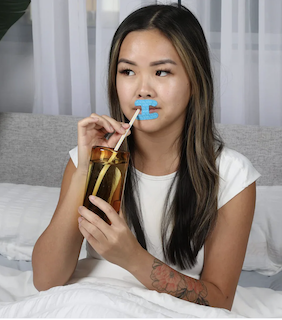
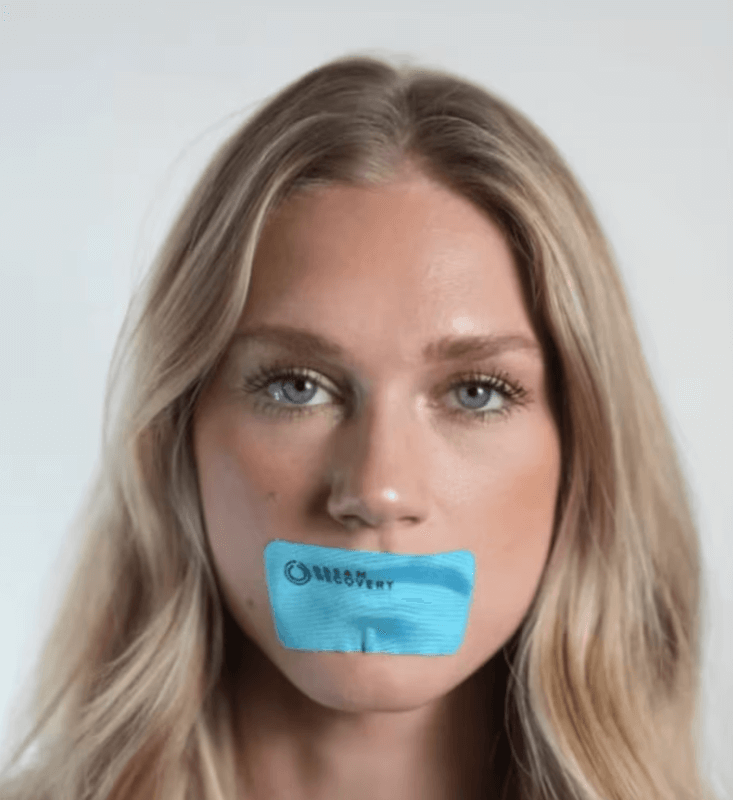
Mouth taping is exactly what it sounds like—you place a piece of specially designed, skin-safe tape over your lips before bed to keep your mouth closed during sleep. The goal is simple: force yourself to breathe through your nose instead of your mouth.
But before you grab the duct tape from your garage (please don’t), let me be clear: we’re talking about medical-grade, hypoallergenic tape specifically designed for this purpose. The tape used in clinical studies is typically porous, breathable, and gentle enough that you can remove it in the morning without ripping your skin off.
The practice has exploded in popularity recently, partly thanks to social media and partly because of growing awareness about the benefits of nasal breathing. A recent 2024 scoping review found that mouth taping content on TikTok often claims benefits ranging from better sleep and improved oral health to anti-aging properties—though most of these claims haven’t been scientifically validated[^1].
Here’s what makes mouth taping different from other sleep interventions: it’s incredibly simple and cheap. No expensive equipment, no doctor visits, no complicated setup. Just tape and your determination to stop mouth breathing.
But simplicity doesn’t always mean safe or effective, which is why we need to look at the actual science.
The Science: Why Nasal Breathing Matters
Before we talk about whether mouth taping works, we need to understand why people are so obsessed with nasal breathing in the first place.
Our noses aren’t just decorative features on our faces—they’re sophisticated air processing units that our mouths simply can’t match. When you breathe through your nose, several things happen that don’t occur with mouth breathing:
1. Air Filtration Your nasal passages are lined with tiny hairs called cilia and mucous membranes that trap dust, allergens, bacteria, and other airborne particles before they reach your lungs[^2]. When you breathe through your mouth, you’re bypassing this entire filtration system.
2. Humidification and Temperature Control Your nose warms and humidifies the air you breathe, protecting your delicate lung tissue from cold, dry air[^3]. This is especially important if you live in a dry climate or during winter months. It’s also why CPAP humidifiers are so helpful—they’re trying to replicate what your nose does naturally.
3. Nitric Oxide Production This is where it gets really interesting. Breathing through your nose produces nitric oxide, a gas that helps dilate blood vessels and improve oxygen circulation throughout your body[^4]. This can enhance cardiovascular health, boost immune function, improve cognitive performance, and even overcome erectile dysfunction.
4. Better Oxygen Absorption Nasal breathing encourages slower, deeper breathing using your diaphragm, which leads to more efficient oxygen exchange in your lungs compared to the shallow chest breathing that often accompanies mouth breathing[^5].
5. Oral Health Protection This one’s huge: mouth breathing dries out your saliva, which is your mouth’s natural defense against bacteria. Less saliva means more bacteria, which means more cavities, gum disease, and bad breath[^6]. I learned this the hard way during those mornings of severe CPAP dry mouth.
So the theoretical benefits of nasal breathing are solid. The question is: can mouth taping actually help you achieve those benefits?
What the Research Says About Mouth Taping for Sleep Apnea
Unlike a lot of sleep health trends, mouth taping for sleep actually has some legitimate research behind it—though I’ll be honest, the studies are small and limited.
When it comes to taping mouth for sleep apnea specifically, the research is even more nuanced. Let’s break down what we actually know.
The Most Promising Study
A 2022 study published in the Journal of Otolaryngology is probably the most cited research on this topic[^7]. Researchers in Taiwan studied 30 patients with mild sleep apnea who were mouth-breathers. They used 3M silicone hypoallergenic tape to seal participants’ mouths during sleep for one week.
The results were actually pretty impressive:
- AHI (apnea-hypopnea index) was reduced by about 50%
- Snoring intensity was significantly reduced
- Participants who had higher baseline AHI and snoring saw the greatest improvements
But here’s the crucial detail: this only worked for people with mild sleep apnea (AHI between 5-15). It was not tested on people with moderate to severe sleep apnea like mine.
Other Research Findings
A 2024 systematic review in PLOS One looked at all available research on mouth taping and found[^8]:
- Only 9 studies met their inclusion criteria (out of 177 initially identified)
- Two studies showed statistically significant improvements in sleep apnea metrics
- One study found improved snoring when mouth taping was combined with other measures
- A study on people with asthma found no benefit
Another interesting finding: several studies showed that mouth taping can reduce mask leaks in CPAP users with nasal masks—something I can personally attest to[^9].
The Bottom Line on Research
The research suggests mouth taping might help with:
- Mild sleep apnea in mouth-breathers
- Snoring reduction
- CPAP mask leaks when using nasal masks
- Dry mouth and related oral health issues
However, the research is still limited. We’re talking small sample sizes, short-duration studies, and a lot of unanswered questions about long-term safety and effectiveness.
Benefits of Mouth Taping for Sleep: What You Can Realistically Expect
Based on both the research and my personal experience, let’s talk about what benefits of mouth taping for sleep you might actually see—and which claims are overhyped.
Proven Benefits (Supported by Research)
1. Reduced Snoring in Mouth-Breathers If you’re someone who breathes through your mouth during sleep, mouth taping may reduce snoring intensity. The 2022 study I mentioned earlier showed significant reductions in snoring index among mouth-breathers with mild sleep apnea[^7]. This works because keeping your mouth closed prevents the vibrations in your throat that cause snoring sounds.
2. Improved AHI in Mild Sleep Apnea. For people with mild sleep apnea (AHI 5-15) who are confirmed mouth-breathers, research shows mouth taping can reduce AHI by approximately 50%[^7]. This is significant—but again, only for mild cases, not moderate or severe.
3. Better CPAP Therapy Outcomes Multiple studies confirm that mouth taping (or similar oral occlusion methods) can significantly reduce mask leaks during CPAP therapy, particularly when using nasal masks[^9][^10]. Fewer leaks means better therapy effectiveness and fewer side effects like dry eyes and disrupted sleep.
4. Reduced Dry Mouth. By keeping your mouth closed, mouth taping helps maintain saliva production throughout the night. This can reduce morning dry mouth, bad breath, and may lower your risk of cavities and gum disease[^6].
Possible Benefits (Anecdotal or Limited Evidence)
5. Better Sleep Quality Some people report feeling more rested after using mouth taping, possibly because nasal breathing promotes more stable sleep. However, this hasn’t been rigorously studied, and individual results vary widely.
6. Oral Health Improvements While the connection between nasal breathing and better oral health is well-established, there aren’t long-term studies specifically showing that mouth taping leads to fewer cavities or less gum disease. The theory is sound, but the evidence is limited.
7. Increased Energy Some mouth taping advocates claim improved daytime energy and focus. This could be related to better sleep quality or more efficient oxygen exchange, but it’s mostly anecdotal at this point.
Overhyped Claims (Not Supported by Research)
8. Facial Restructuring or “Better Jawline” There’s zero scientific evidence that mouth taping can reshape your face, improve your jawline, or change your facial structure. These social media claims are pure marketing.
9. Anti-Aging Effects While better sleep can certainly improve your appearance, mouth taping itself doesn’t have anti-aging properties. Don’t fall for this one.
10. Cure for Sleep Apnea Let me be absolutely clear: mouth taping does NOT cure sleep apnea. At best, it may slightly improve mild cases in specific circumstances. It is not a substitute for proper sleep apnea treatment.
The Bottom Line on Benefits
The most realistic benefits of mouth taping for sleep are:
- Reduced snoring if you’re a mouth-breather
- Improved CPAP mask seal if you’re dealing with leaks
- Less dry mouth in the morning
- Possibly better sleep quality (if it works for you)
Everything else is either speculation or marketing hype.
Is Mouth Taping Safe for Sleep?
This is probably the most important question, and the answer is frustratingly nuanced: it depends entirely on your individual situation.
When Mouth Taping Is Generally Safe
Mouth taping is likely safe for sleep if you:
- Can breathe comfortably and easily through your nose
- Don’t have diagnosed sleep apnea (or only have very mild sleep apnea under medical supervision)
- Have no chronic nasal congestion or obstruction
- Don’t have a deviated septum or other structural nasal issues
- Use medical-grade tape designed for skin contact
- Can remove the tape easily if needed
- Have discussed it with your doctor
Under these circumstances, the risks are relatively low. The most common side effects reported in studies include skin irritation, lip soreness, and mild discomfort—annoying, but not dangerous[^8].
When Mouth Taping Is NOT Safe
Is mouth taping safe for sleep if you have moderate to severe sleep apnea? Absolutely not.
Here’s why: if you have untreated or inadequately treated sleep apnea, your airway is already compromised. Restricting mouth breathing could be dangerous if your nasal passages become blocked during sleep. You need to be able to breathe through your mouth as a backup.
Other situations where mouth taping is unsafe:
- Chronic nasal congestion or allergies – If you can’t breathe through your nose, mouth taping could lead to oxygen deprivation
- Severe deviated septum – Same issue—restricted nasal breathing makes mouth taping dangerous
- Asthma or COPD – Respiratory conditions require unrestricted breathing options
- Recent nasal or throat surgery – Wait until fully healed
- Anxiety or claustrophobia – The psychological distress isn’t worth it
- Alcohol or sedative use – These suppress your arousal response if you can’t breathe properly
- Children – Only under direct medical supervision
The Safety Issue Nobody Talks About: Psychological Factors
Even if you’re physically safe to use mouth tape, there’s a psychological component. I experienced this myself—even knowing I had a CPAP machine providing air pressure, the feeling of having my mouth taped shut triggered anxiety on some nights.
If mouth taping makes you anxious or panicky, it’s not safe for you, regardless of what the research says. Sleep should reduce stress, not create it.
What the Research Says About Safety
A 2024 systematic review found that the available research on mouth taping is “markedly heterogeneous, and there is little consensus on mouth-taping’s benefits”[^1]. The studies that exist are small and short-term, so we don’t have good data on long-term safety.
The most commonly reported side effects in research include[^8]:
- Discomfort during sleep
- Lip irritation or soreness
- Difficulty breathing
- Feelings of suffocation or panic
- Sleep disruption
- Skin reactions to adhesive
Importantly, most studies exclude people with moderate to severe sleep apnea, precisely because of safety concerns.
My Personal Take on Safety
After trying mouth taping myself and watching the trend explode on social media, here’s what worries me: people are using it without understanding the risks.
I was in a relatively safe position to try it—I had diagnosed and treated sleep apnea, I could breathe easily through my nose, and I was monitoring my results with my CPAP machine. Even then, I had nights where I felt anxious and ripped the tape off.
But I see people online recommending mouth taping to anyone who snores, without knowing if they have underlying sleep apnea. That’s dangerous. My Melbourne pharmacy experience taught me that lesson—I was taping over a serious medical condition without realizing it.
The safest approach: Get a sleep study to rule out sleep apnea, make sure you can breathe easily through your nose, and talk to your doctor before trying mouth taping.
Mouth Taping for People Without Sleep Apnea
If you don’t have diagnosed sleep apnea but you’re a chronic mouth breather or snorer, mouth taping might be worth considering. Here’s what you need to know:
Potential Benefits for Snorers
Snoring often gets worse with mouth breathing because an open mouth narrows your upper airway and causes more vibration in the soft tissues of your throat. By keeping your mouth closed, you might reduce the intensity and frequency of snoring.
However, here’s something crucial: if your snoring is loud, frequent, or you have other symptoms of sleep apnea like daytime fatigue or gasping for air at night, mouth taping is NOT the solution. You need to get tested for sleep apnea first.
Oral Health Benefits
If you wake up with dry mouth, bad breath, or your dentist has mentioned concerns about cavities or gum disease related to mouth breathing, taping might help by keeping your mouth closed and allowing your saliva to do its job protecting your teeth and gums throughout the night.
Sleep Quality Improvements
Some people report better sleep quality with mouth taping, though this is largely anecdotal. The theory is that nasal breathing promotes more stable sleep and may reduce sleep disruptions.
Who Definitely Shouldn’t Try It
Let me be crystal clear about who should NOT try mouth taping:
- Anyone with moderate to severe obstructive sleep apnea
- People with chronic nasal congestion or difficulty breathing through their nose
- Anyone with a deviated septum that hasn’t been treated
- People with asthma or other respiratory conditions
- Anyone who’s had recent nose or throat surgery
- Children (mouth taping in children should only be done under direct medical supervision)
- People with anxiety about restricted breathing
If you have any doubts, talk to your doctor first. That’s not just legal disclaimer talk—it’s genuinely important for your safety.
Mouth Taping for Sleep Apnea with CPAP: My Personal Experience
Okay, this is where I can really add value based on my 10+ years of CPAP therapy experience. Mouth taping for CPAP users is a different animal than mouth taping for non-CPAP users, and most articles don’t adequately address this distinction.
The Mouth Breathing Problem with CPAP
Here’s the situation many CPAP users face: you’re using a nasal mask or nasal pillow mask because they’re more comfortable and less claustrophobic than full face masks. Everything’s going great until your mouth drops open during deep sleep.
When this happens, all that pressurized air your CPAP machine is pumping into your nose escapes out your mouth. It’s called “mouth leak,” and it’s one of the most common reasons people struggle with CPAP compliance.
Research shows that mouth breathing during CPAP therapy is associated with:
- Higher leak rates (obviously)
- Lower therapy adherence
- Increased need for higher pressure settings
- More dry mouth and throat irritation
- Reduced treatment effectiveness[^10]
My Experience with Mouth Taping and CPAP
I tried mouth taping for about six weeks during a period when my mask leaks were particularly bad. I was using the ResMed AirFit P10 nasal pillows at the time, and I loved everything about them except for the mouth breathing issue.
This was my second attempt at mouth taping—the first being that disastrous Melbourne pharmacy experiment. But this time was different: I had a CPAP machine actually treating my sleep apnea, so I wasn’t trying to tape over an obstructed airway. I was just trying to prevent air leaks from my nasal mask.
Here’s what I learned:
What Worked (Sort Of):
- When the tape stayed on, my leak rates did improve
- On nights without congestion, I’d wake up with less dry mouth
- My CPAP data showed slightly better AHI on successful nights
What Didn’t Work:
- The tape came off during the night more often than not, especially if I drooled (which happens with CPAP)
- Even slight nasal congestion would wake me up in a panic, ripping the tape off
- I couldn’t relax with my mouth taped—always felt like I needed that “backup” breathing option
- It added complexity to my already complicated bedtime routine
- My wife thought it looked ridiculous (fair point)
- The anxiety wasn’t worth the marginal improvement
The Real Solution: After six weeks of fighting with mouth tape, I made the switch I should have made from the start: I got a ResMed AirFit F20 full face mask.
Was I thrilled about it? No. I’d resisted full face masks for years because they seemed bulkier and more claustrophobic than nasal masks. But you know what? It solved the mouth breathing problem immediately. No tape. chin straps – nope. No anxiety about nasal congestion. Just a mask that covered both my nose and mouth.
The F20 has been my go-to mask ever since. Is it as minimalist as nasal pillows? No. But it actually works for me as a chronic mouth breather, which mouth taping never did.
The Bottom Line on My Experience: Mouth taping might work for some CPAP users, but it didn’t work for me. The anxiety of having my mouth restricted, combined with the unpredictability of the tape staying on, made it more trouble than it was worth. Switching to a full face mask was the practical solution I should have tried first.
I share this not to discourage you from trying mouth taping—some people genuinely succeed with it—but to be honest about my own experience. Sometimes the simple solution (changing your mask type) beats the trendy one (taping your mouth shut).
When Mouth Taping Makes Sense for CPAP Users
Based on my experience and research, mouth taping might be worth trying if you:
- Love your nasal mask but struggle with mouth leaks
- You’ve ruled out other causes of leaks (improper fit, worn cushions, etc.)
- You don’t have chronic nasal congestion
- You’re willing to experiment and track results carefully
- You don’t have anxiety about restricted breathing
- Have tried chin straps without success
- Some people find chin straps uncomfortable or ineffective
- Mouth tape might be worth a shot before switching mask types
- Are methodical about experimenting
- You’re tracking your data with your CPAP machine or OSCAR software
- You’re willing to try different approaches and adjust
- You can objectively assess whether it’s helping
Important caveat: If mouth taping causes anxiety, doesn’t stay on consistently, or you have any nasal congestion issues, don’t force it. There are better solutions.
When You Should Just Get a Full Face Mask Instead
Look, I resisted full face masks initially. They seemed bulkier, more claustrophobic, and less comfortable than nasal masks. But if mouth taping feels too constraining, causes anxiety, or simply doesn’t work for you, a full face mask is the practical solution.
I quickly switched to the ResMed AirFit F20, and honestly, it solved the mouth breathing problem instantly. No tape. Anxiety levels – none. No waking up in a panic because my nose was stuffy. Just a mask designed to work whether I breathe through my nose, mouth, or both.
The best full face masks on the market today are surprisingly comfortable and much less claustrophobic than older models. Modern masks like the F20, F30i, or Vitera are well-designed and actually work for chronic mouth breathers like me.
Don’t waste months fighting with mouth tape if a simple mask change solves the problem. Sometimes the practical solution beats the trendy one.
How to Try Mouth Taping Safely
If you’ve read this far and you’re still interested in trying mouth taping, here’s how to do it as safely as possible:
Step 1: Check with Your Doctor
I know, I know—everyone says this and it sounds like a cop-out. But with mouth taping, it’s genuinely important. Your doctor can:
- Confirm you don’t have undiagnosed sleep apnea
- Check for structural issues like a deviated septum
- Rule out conditions that would make mouth taping dangerous
- Provide guidance on whether it’s appropriate for your situation
Step 2: Get the Right Tape
Do NOT use:
- Duct tape (obviously)
- Regular medical tape
- Scotch tape
- Packing tape
- Any tape not specifically designed for skin contact
DO use medical-grade mouth tape designed for sleep. Popular options include:
- VIO2 Unscented Mouth Tape – Hypoallergenic and breathable ($26.95)
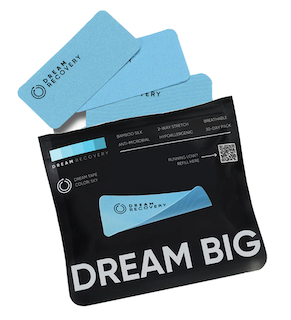
- Dream Recovery Dream Mouth Tape – Designed specifically for sleep ($34)
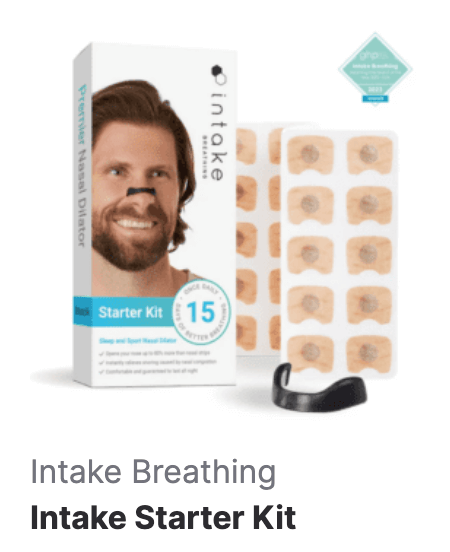
- Intake Breathing Starter Kit – Includes mouth tape plus nasal breathing aids ($59.98)
- 3M Micropore tape – Available at most pharmacies
- 3M silicone hypoallergenic tape (used in most research studies)
The tape used in the clinical studies I mentioned earlier was typically 3M silicone hypoallergenic tape, which you can find online or in many pharmacies. The specialized mouth tapes designed specifically for sleep tend to be gentler and easier to remove, though they cost more.
Here are some options I recommend


Step 3: Start by Testing While Awake
Before you try sleeping with mouth tape, wear it for 30-60 minutes while you’re awake and relaxing. This lets you:
- Get used to the sensation
- Make sure you don’t have an allergic reaction
- Practice breathing through your nose
- Identify any immediate problems
If you feel panicky or can’t breathe comfortably through your nose while awake, mouth taping during sleep is definitely not for you.
Step 4: Start Small
Don’t go straight to taping your entire mouth shut. Many people start with just a small vertical strip in the center of their lips. This:
- Feels less restrictive
- Allows easier breathing around the tape if needed
- Helps you gradually adjust to the sensation
- Makes it easier to remove quickly if necessary
Step 5: Prepare Your Nasal Passages
Before taping, make sure your nose is clear:
- Use a saline rinse if you’re congested
- Consider using nasal strips or a nasal dilator like the SnoreLessNow Airflow Clip ($17.99) to open your nasal passages
- If you have allergies, take your allergy medication beforehand
- Make sure your CPAP humidifier is set correctly if you’re using CPAP
The goal is to make nasal breathing as easy and comfortable as possible before you restrict mouth breathing.
Step 6: Have a Plan for Removal
Keep these things by your bedside:
- A water bottle (you might want to remove the tape and drink)
- A small trash can (for the used tape)
- Your phone (in case you need to track your experience)
Know that you can remove the tape at any time if you feel uncomfortable. There’s no shame in deciding it’s not for you.
Step 7: Track Your Results
If you’re serious about whether mouth taping works for you, track:
- Your sleep quality (subjective feeling in the morning)
- Number of times you woke up
- Morning dry mouth (scale of 1-10)
- Partner reports of snoring
- CPAP data if applicable (leak rates, AHI, etc.)
Give it at least a week or two of consistent use before deciding if it’s helping.
My Favorite Alternatives to Mouth Taping
Let’s be real: mouth taping isn’t for everyone. I tried it twice—once before diagnosis in Melbourne, once with CPAP—and it didn’t work for me either time. Here are the alternatives worth considering:
1. Switch Your Mask Type (My Solution)
If you’re constantly fighting mouth leaks with a nasal mask, maybe it’s time to try a full face mask.
This was my solution after mouth taping failed. I switched from the ResMed AirFit P10 nasal pillows to the ResMed AirFit F20 full face mask, and it immediately solved the mouth breathing problem. No tape. Anxiety none. No waking up in a panic.
Yes, full face masks are bulkier. Yes, they cover more of your face. But they’re designed specifically for mouth breathers, and modern masks are surprisingly comfortable.
Consider switching mask types if:
- You have chronic mouth leaks with nasal masks
- You have chronic nasal congestion
- You’re a chronic mouth breather
- You wake up with severe dry mouth regularly
- You have a deviated septum
- Mouth taping or chin straps make you anxious
Don’t let pride or stubbornness keep you from a mask that works better for your needs.
2. CPAP Chin Straps
If you’re not ready to switch to a full face mask, a chin strap should be your first alternative to mouth taping. These are specifically designed to keep your jaw closed during sleep without the claustrophobic feeling of having your mouth taped.
Many CPAP users find chin straps more comfortable and less anxiety-inducing than mouth tape. They’re adjustable, reusable, and you can open your mouth if needed without the panic of ripping off tape.
3. Optimize Your CPAP Setup
Before trying mouth tape or changing masks, make sure your current setup is optimized:
- Check your humidifier settings: Low humidity can cause nasal dryness that leads to mouth breathing. Learn more about CPAP humidifiers and heated tubing.
- Verify your pressure settings: Incorrect pressure can cause discomfort that leads to mouth breathing. Getting proper titration is crucial.
- Clean your equipment: Dirty masks don’t seal properly, leading to leaks. Follow a proper CPAP cleaning schedule.
- Replace worn parts: Cushions break down over time. Check your CPAP replacement schedule.
4. Address Nasal Obstruction
If you can’t breathe well through your nose, no amount of mouth taping will help. Consider:
- Treating allergies: Work with an allergist if seasonal or environmental allergies are causing congestion
- Nasal strips: External nasal dilators can help open your nasal passages
- Medical intervention: If you have a deviated septum or other structural issues, talk to an ENT about surgical options
- Medications: Nasal steroids or decongestants (with doctor approval)
5. Try Positional Therapy
Sleeping on your side instead of your back can reduce both snoring and mouth breathing. Positional therapy devices can help you maintain side sleeping throughout the night.
I use a specialized CPAP pillow that has cutouts for my mask and encourages side sleeping. It’s made a huge difference.
6. Consider Oral Appliances
If you have mild sleep apnea and can’t tolerate CPAP, oral appliances might be an option. These devices—like the ApneaRx Sleep Apnea Mouthpiece or custom-fitted options from your dentist—keep your airway open by repositioning your jaw or tongue.
While they’re not as effective as CPAP for moderate to severe sleep apnea, they can be a good alternative for people with mild cases who prefer not to use a mask.
7. Explore Alternative Treatments
Depending on your situation, other treatments for sleep apnea might be appropriate:
- Weight loss (can dramatically improve mild to moderate OSA)
- Inspire therapy (hypoglossal nerve stimulation)
- Surgical options
- Alternative therapies
Common Mistakes People Make with Mouth Taping
After researching this topic extensively and trying it myself, here are the mistakes I see people make:
1. Using It as a Band-Aid for Undiagnosed Sleep Apnea
This is the mistake I made in Melbourne, and I don’t want you to repeat it. If you snore loudly, gasp for air at night, or have symptoms of sleep apnea, mouth tape is NOT the solution. Get a proper sleep study first.
I was standing in that Australian pharmacy thinking, “If I can just stop my mouth from opening, the snoring will stop.” But my problem wasn’t my open mouth—it was that my airway was collapsing dozens of times per hour. Mouth tape couldn’t fix that. It was like putting a Band-Aid on a broken bone.
Sleep apnea can be life-threatening if left untreated, and mouth taping might actually make it worse by restricting your already compromised airway. If I’d known then what I know now, I would have skipped the pharmacy and gone straight to a sleep doctor.
2. Using the Wrong Tape
I’ve heard horror stories of people using duct tape, Scotch tape, or even gorilla tape. Please don’t. Use medical-grade tape designed for skin contact. Your face will thank you.
3. Taping Too Tightly
The goal isn’t to create an airtight seal like you’re preparing for a space mission. A gentle reminder to keep your lips closed is enough. Overtaping can cause anxiety, skin irritation, and make it harder to breathe if your nose becomes congested.
4. Ignoring Nasal Issues
If you can’t breathe comfortably through your nose while awake, mouth taping during sleep is a terrible idea. Address the nasal obstruction first.
5. Expecting Miracle Results
Mouth taping isn’t going to cure your sleep apnea, make you look 10 years younger, or solve all your sleep problems. Set realistic expectations based on the actual research.
6. Not Tracking Results
Without objective data, you’re just guessing about whether it’s helping. Track your sleep quality, morning symptoms, and any other relevant metrics.
7. Continuing Despite Negative Effects
If mouth taping causes anxiety, disrupts your sleep, or makes you feel worse, stop doing it. There are other solutions.
Frequently Asked Questions
Q: Is mouth taping safe for sleep if I have sleep apnea?
That depends entirely on the severity of your sleep apnea and whether you can breathe comfortably through your nose. The research showing potential benefits was only done on people with very mild sleep apnea (AHI 5-15). If you have moderate to severe sleep apnea, mouth taping could be dangerous because it restricts your ability to breathe through your mouth if your nose becomes blocked.
Q: Can mouth taping for sleep apnea cure my condition?
No. Absolutely not. Mouth taping might reduce AHI in people with very mild sleep apnea who are mouth-breathers, but it’s not a cure or adequate treatment for moderate to severe sleep apnea. If you have diagnosed sleep apnea, you need proper treatment—whether that’s CPAP therapy, oral appliances, surgery, or other interventions. Don’t risk your health by trying to manage sleep apnea with mouth tape alone.
Q: Is mouth taping safe for people with sleep apnea?
That depends entirely on the severity of your sleep apnea and whether you can breathe comfortably through your nose. The research showing potential benefits was only done on people with mild sleep apnea (AHI 5-15). If you have moderate to severe sleep apnea, mouth taping could be dangerous because it restricts your ability to breathe through your mouth if your nose becomes blocked.
Q: What are the real benefits of mouth taping for sleep?
Based on actual research (not social media hype), the proven benefits of mouth taping for sleep include:
- Reduced snoring in mouth-breathers
- Improved AHI in people with mild sleep apnea (approximately 50% reduction)
- Better CPAP mask seal and reduced leaks
- Less dry mouth in the morning
- Potentially better sleep quality
Benefits that are NOT proven include: facial restructuring, anti-aging effects, or curing sleep apnea. Set realistic expectations based on the science, not the marketing.
Q: Can I use mouth tape with my CPAP machine?
Some people do successfully combine mouth tape with CPAP therapy, particularly if they’re using a nasal mask and experiencing mouth leaks. However, you should:
- Only do this if you can breathe comfortably through your nose
- Talk to your sleep doctor first
- Consider trying a chin strap or full face mask instead
- Start cautiously and track your results
I tried mouth taping with my CPAP for six weeks and ultimately switched to a full face mask instead. For me, the anxiety of having my mouth taped wasn’t worth the marginal improvement. The F20 full face mask solved the mouth breathing problem without tape, which is what worked for me as a chronic mouth breather.
Q: What if I need to breathe through my mouth during the night?
This is why mouth taping isn’t for everyone. If you have chronic nasal congestion, a deviated septum, or other nasal obstruction, mouth taping could leave you feeling panicked and oxygen-deprived. Always make sure you can breathe comfortably through your nose before attempting mouth taping.
Q: Will mouth taping reshape my jawline or make me look younger?
No. These claims circulating on social media have no scientific backing. Mouth taping addresses a breathing pattern, not facial structure. If you’re looking for cosmetic benefits, you’ll be disappointed.
Q: How long does it take to see results from mouth taping?
In the research studies, benefits were typically seen within a week. However, individual results vary. Give it at least 1-2 weeks of consistent use before deciding whether it’s helping. Track specific metrics like morning dry mouth, sleep quality, or CPAP leak rates to objectively measure any changes.
Q: Can mouth taping help with snoring?
Maybe. Research suggests it can reduce snoring in some people, particularly those who are mouth-breathers. However, if your snoring is caused by obstructive sleep apnea, you need proper medical treatment, not mouth tape. Get tested first to rule out sleep apnea.
Q: What type of tape should I use?
Use medical-grade tape specifically designed for skin contact. See the options I recommend above.
Never use industrial tape, duct tape, or any tape not meant for skin contact.
Q: What are the side effects of mouth taping?
Studies have reported these side effects:
- Skin irritation or rash
- Lip soreness
- Difficulty breathing (if nasal passages become blocked)
- Feeling of suffocation or anxiety
- Sleep disruption
- Embarrassment (hey, it’s a valid concern!)
If you experience any of these consistently, stop using mouth tape.
Q: Can I use mouth tape if I’m sick or congested?
Absolutely not. If you have a cold, flu, allergies, or any nasal congestion, skip the mouth tape. You need to be able to breathe freely through your mouth if your nose becomes blocked.
Q: Is there anyone who definitely shouldn’t use mouth tape?
Yes. Avoid mouth taping if you have:
- Moderate to severe sleep apnea
- Chronic nasal congestion
- Difficulty breathing through your nose
- Severe deviated septum
- Respiratory conditions like asthma or COPD
- Recent nasal or throat surgery
- Anxiety about restricted breathing
- Any condition that affects your ability to breathe normally
When in doubt, talk to your doctor.
Final Thoughts: Is Mouth Taping Worth Trying?
I’ve come a long way from that desperate guy in the Melbourne pharmacy buying anything to stop his snoring. Back then, I didn’t know I had severe sleep apnea—I just knew I was making everyone in the hostel miserable. Mouth tape didn’t work because it was trying to fix a problem that needed actual medical intervention, not adhesive strips.
After 10+ years of living with diagnosed severe sleep apnea and trying just about every CPAP trick in the book, here’s my honest take on mouth taping:
It works for some people in specific situations, but it’s not a magic solution.
If you’re a CPAP user with nasal mask leaks from mouth breathing, mouth taping might help—but so would a chin strap or switching to a full face mask. I found the chin strap to be more comfortable and less anxiety-inducing.
If you’re a habitual mouth breather without sleep apnea and you’re looking to improve your oral health or reduce mild snoring, mouth taping is relatively low-risk and might be worth experimenting with.
But if you have moderate to severe sleep apnea, chronic nasal congestion, or any condition that makes nasal breathing difficult, mouth taping is not the right solution for you.
Here’s what I want you to remember from this article:
- Don’t use mouth taping for sleep apnea as a substitute for proper diagnosis and treatment. Get tested if you have symptoms. Taping mouth for sleep apnea might help in mild cases under medical supervision, but it’s not a cure or adequate standalone treatment.
- The benefits of mouth taping for sleep are real but limited—reduced snoring, better CPAP mask seal, and less dry mouth. But ignore the social media hype about facial restructuring and anti-aging.
- Is mouth taping safe for sleep? It depends on you. If you can breathe easily through your nose and don’t have moderate to severe sleep apnea, it’s relatively low-risk. But if you have any nasal obstruction or breathing difficulties, it could be dangerous.
- CPAP therapy is still the gold standard treatment for moderate to severe sleep apnea. Stick with your CPAP and work with your doctor to address specific issues like mouth leaks.
- Track your results objectively. Don’t rely on how you think it’s working—use data from your CPAP machine, track your morning symptoms, and give it at least 1-2 weeks before making a judgment.
Ultimately, the best solution is the one that works for YOUR specific situation. Maybe that’s mouth taping. Perhaps it’s a chin strap. Perhaps it’s accepting that you’re a mouth breather and switching to a full-face mask (which is what I eventually did).
For me, the ResMed F20 full face mask solved the problem that mouth taping couldn’t. It’s not as minimal as nasal pillows, but it actually works for my chronic mouth breathing without anxiety or tape falling off in the middle of the night.
The goal isn’t to follow the latest sleep health trend or to avoid disturbing your hostel roommates with a roll of pharmacy tape—it’s to find what actually helps you breathe better, sleep better, and wake up feeling like a human being again.
And if you’re snoring like I was in Melbourne? Please, do yourself a favor: skip the pharmacy aisle and go get a sleep study. Your future self (and your future dorm mates) will thank you.
Stay breathing (through your nose when possible), Jeremy
References
[^1]: Smith, A.J., et al. “Nocturnal mouth-taping and social media: A scoping review of the evidence.” Sleep Medicine Reviews, 2024. https://www.sciencedirect.com/science/article/pii/S0196070924003314
[^2]: Cleveland Clinic. “Nose Breathing vs. Mouth Breathing: Which Is Better?” 2024. https://health.clevelandclinic.org/breathe-mouth-nose
[^3]: ENT Physicians Inc. “The Benefits of Nasal Breathing: How to Improve Your Nose and Mouth Health.” 2023. https://entphysiciansinc.com/the-benefits-of-nasal-breathing-how-to-improve-your-nose-and-mouth-health/
[^4]: Denver Sports and Holistic Medicine. “The Power of Nasal Breathing: How It Improves Oral & Overall Health.” 2025. https://denversportsandholisticmedicine.com/blog/nasal-breathing-oral-health-benefits
[^5]: Atkins and Anderson DDS. “Mouth Breathing vs Nasal Breathing: What’s the Big Difference?” 2025. https://atkinsandersondds.com/mouth-breathing-vs-nasal-breathing-whats-the-big-difference/
[^6]: Lynchburg Orthodontics. “Benefits of Nose Breathing.” 2024. https://lynchburgorthodontics.com/benefits-of-nose-breathing/
[^7]: Lee, Y.C., et al. “The Impact of Mouth-Taping in Mouth-Breathers with Mild Obstructive Sleep Apnea: A Preliminary Study.” Healthcare, 2022. https://pubmed.ncbi.nlm.nih.gov/36141367/
[^8]: Stevens, R.J., et al. “Breaking social media fads and uncovering the safety and efficacy of mouth taping in patients with mouth breathing, sleep disordered breathing, or obstructive sleep apnea: A systematic review.” PLOS ONE, 2024. https://journals.plos.org/plosone/article?id=10.1371/journal.pone.0323643
[^9]: Huang, T.W., et al. “The effect of mouth-taping in mouth-breathers with mild obstructive sleep apnea: A randomized trial.” Sleep and Breathing, 2022. National Library of Medicine. https://pmc.ncbi.nlm.nih.gov/articles/PMC9498537/
[^10]: Bachour, A., Maasilta, P. “Mouth breathing compromises adherence to nasal continuous positive airway pressure therapy.” Chest, 2004. Referenced in Journal of Clinical Sleep Medicine, 2018. https://journal.chestnet.org/article/S0012-3692(17)32973-2/fulltext
[^11]: ResMed. “CPAP Mask Leaks: Causes & How to Fix Them.” 2025. https://www.resmed.com/en-us/sleep-health/blog/common-cpap-complaint-my-cpap-mask-leaks/
[^12]: SleepApnea.org. “Why Does My CPAP Mask Leak? 8 Common Reasons and How to Fix Them.” 2024. https://www.sleepapnea.org/cpap/why-does-my-cpap-mask-leak/
[^13]: Henry Ford Health. “Mouth Taping At Night: Get The Facts.” 2024. https://www.henryford.com/blog/2024/03/mouth-taping
[^14]: Sleep Foundation. “Mouth Taping for Sleep: Does It Work?” 2025. https://www.sleepfoundation.org/snoring/mouth-taping-for-sleep
[^15]: Loma Linda University Health. “Do sleep experts support mouth taping?” 2023. https://news.llu.edu/health-wellness/do-sleep-experts-support-mouth-taping
⚠️ MEDICAL DISCLAIMER This blog provides general information only and is not a substitute for professional medical advice, diagnosis, or treatment. Sleep apnea is a serious condition, and CPAP equipment should be used under proper medical supervision. Always consult your doctor or sleep specialist before starting, stopping, or changing any therapy. I share personal experiences as a CPAP user, not as a medical professional. Individual results vary. For medical guidance, please consult a qualified clinician or the American Academy of Sleep Medicine (aasm.org).